

Antioch on the Orontes is a nice smaller town where we fill find excellent Kunefe— a delicious dessert which is a sort of shredded wheat and honey and nuts concoction. 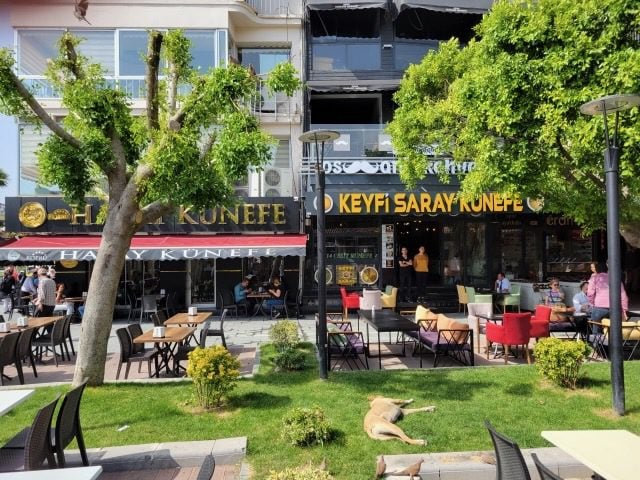
This word just in, the people who invented baklava (yes the Turks not the Greeks did that) are really good at pastry sorts of desserts. 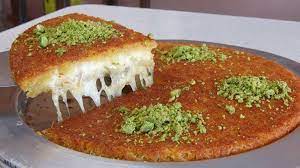
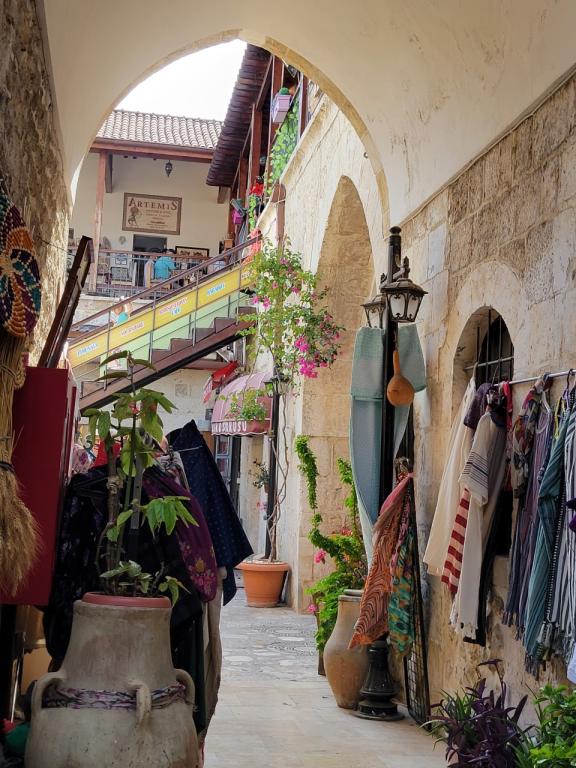
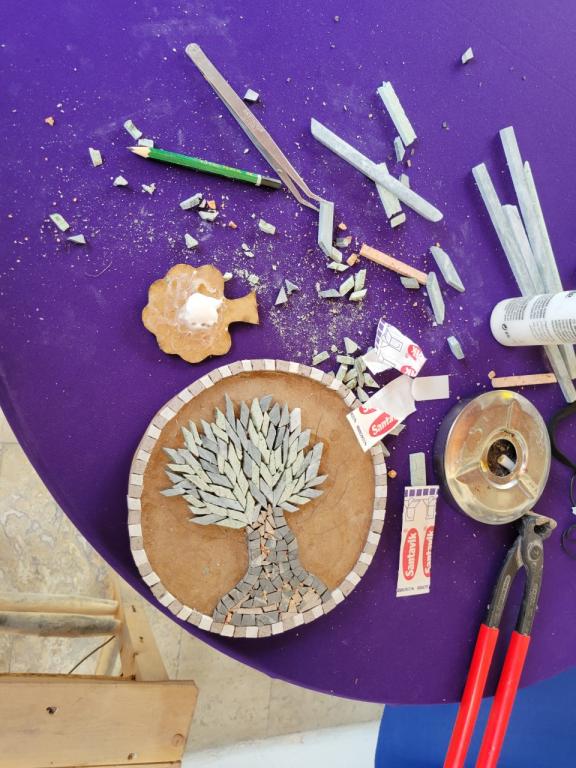
But of course there are other things to see and check out… for instance the mosaic art shop which makes beautiful things like this… You can see the shop above on the second floor with the title Artemis…
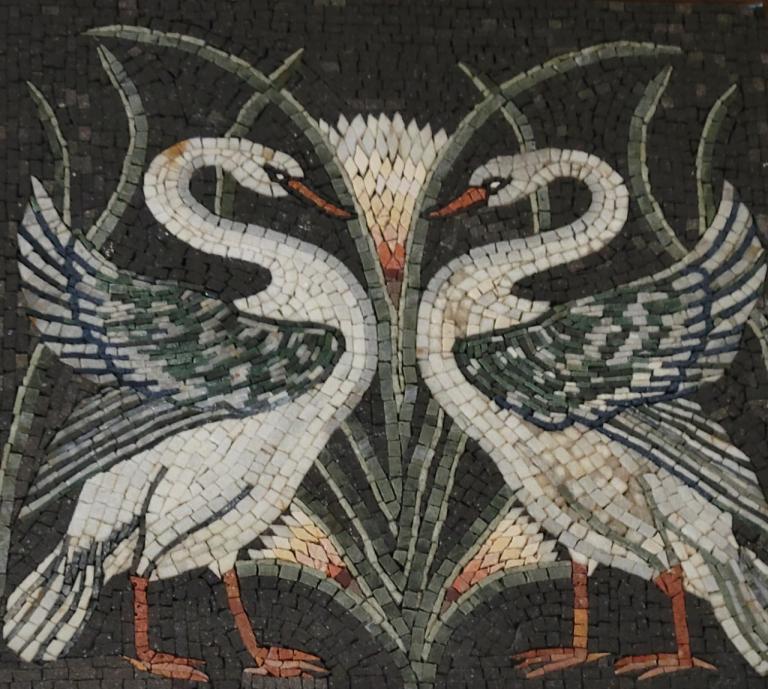
The tree of life design and the olive tree are popular as well…
The region that Antioch is in is called Hatay…. and notice how this mosaic features all three monotheistic religions being welcome here..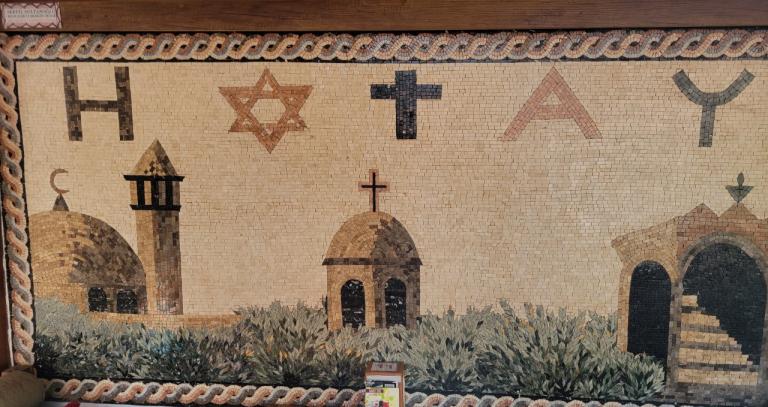
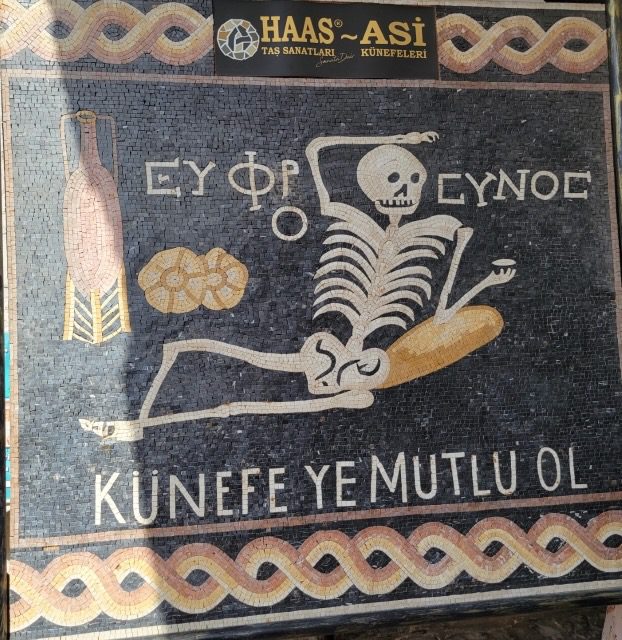
How about this one… which has a skeleton and mentions eating Kunefe— I suppose it’s a food to die for!
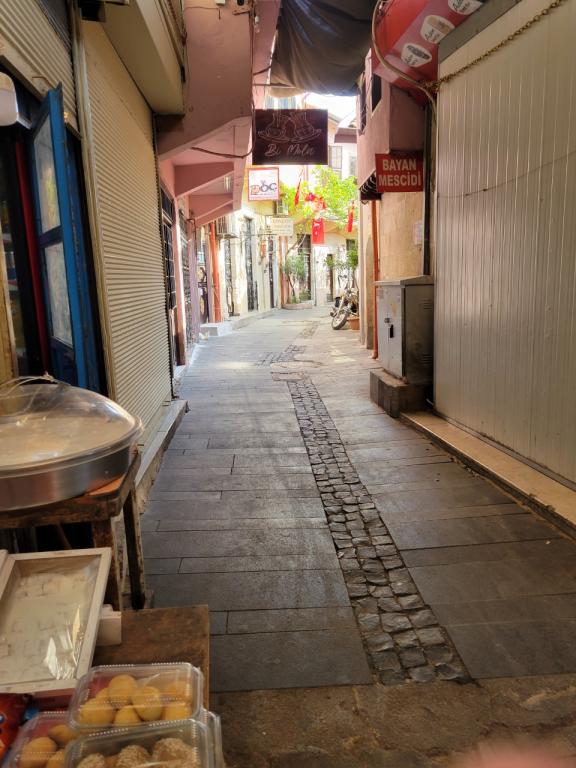
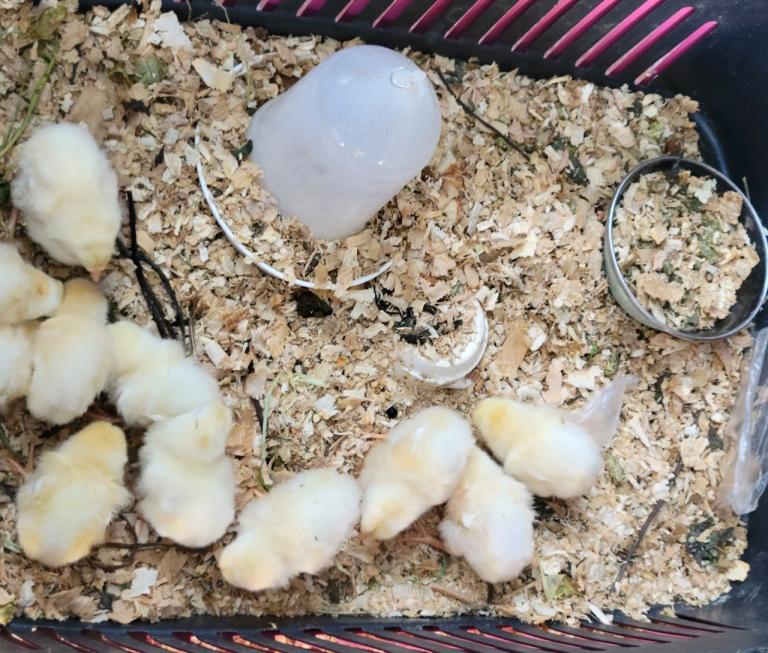
But if you take a walk through the streets you can find most anything for sale, including critters—
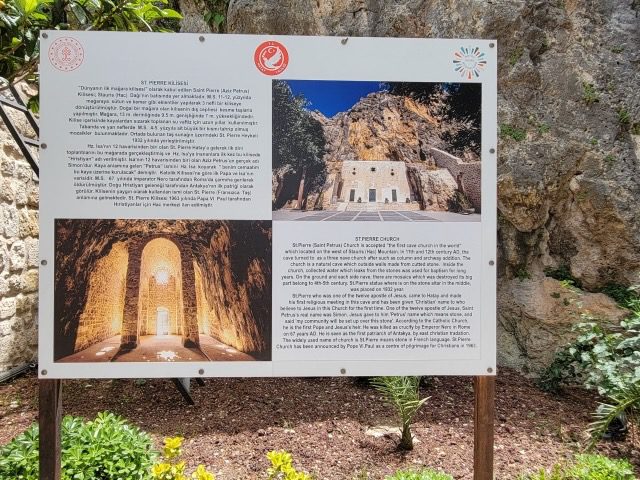
Let’s visit St. Peter’s Church and the new Museum Hotel itself before going to the two museums— one of which is underneath the Hotel itself.
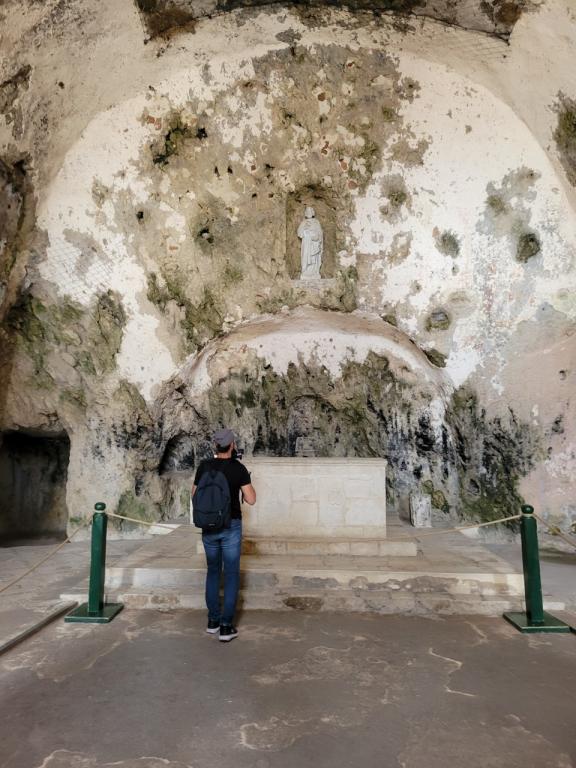
St. Peter’s Church is a cave church, which probably dates to the late fourth or early fifth century, though the locale may have been used by Christians earlier than that. There is tunnel into the mountain from the back of it, where persons could escape. Some of the mosaic floors, on which see below, may date to the late 4th century. In any case, when the Crusaders got there in 1098 they expanded the church a few meters deeper.
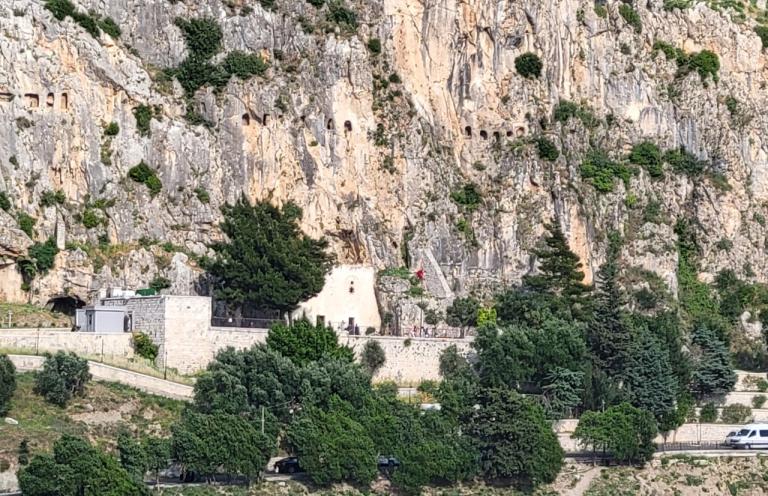
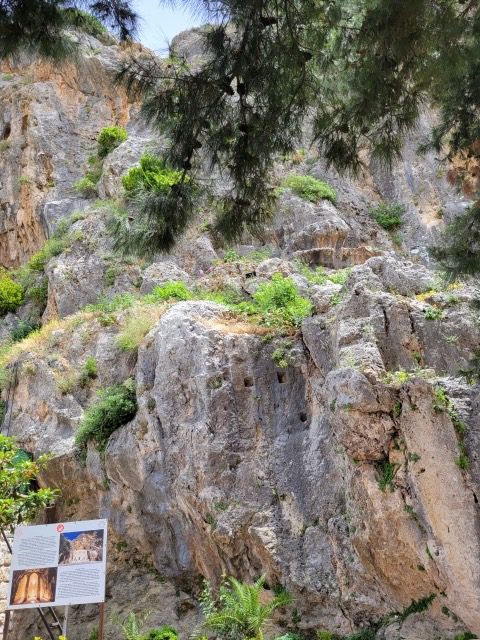
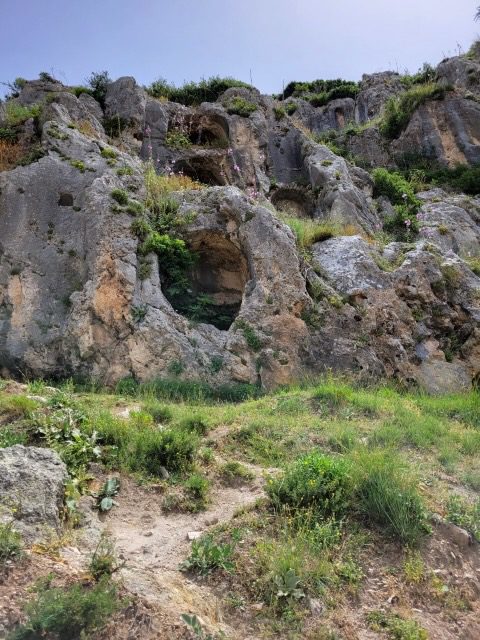
Notice all the niches in the mountainside. There must have been numerous statues, and also caves for monks here. We have to remember that there was a continuous Christian presence here in the early centuries, with its most famous scholar being John Chrysostom, who later moved on to Constantinople, being a bishop. There was an Antiochian school of more literal historical interpretation of the Bible as opposed to the allegorical methods favored in Alexandria by Clement of Alexandria, and to some extent Origen as well.
Here is a piece of the original mosaic floor…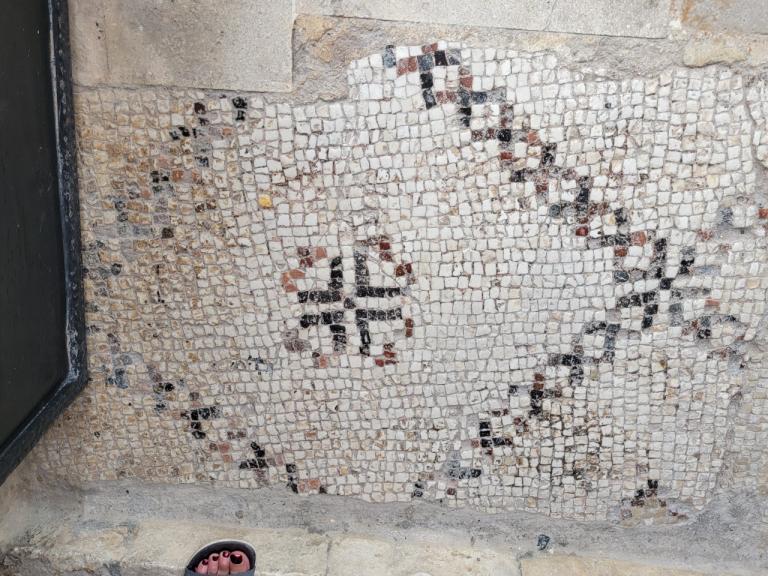
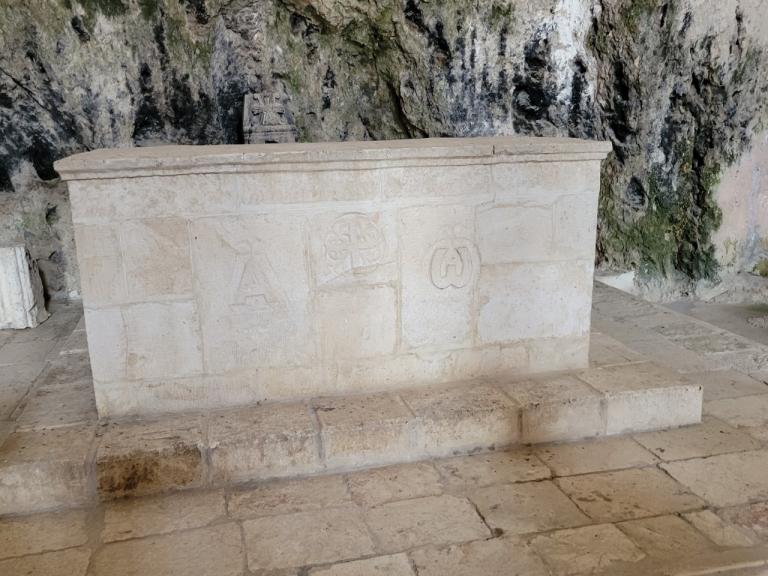
Here is the altar you see there today with the alpha and omega on it…
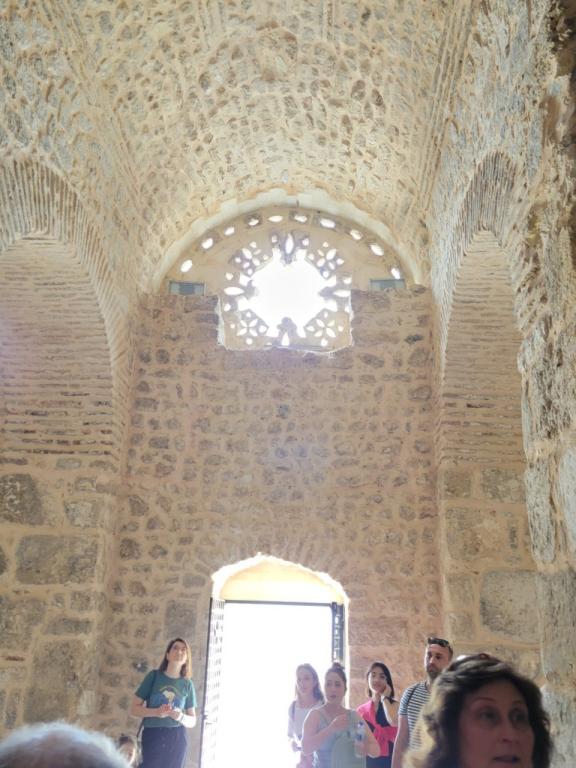
Here we are looking back at where the rose window would have been over the door at the entrance to the church…
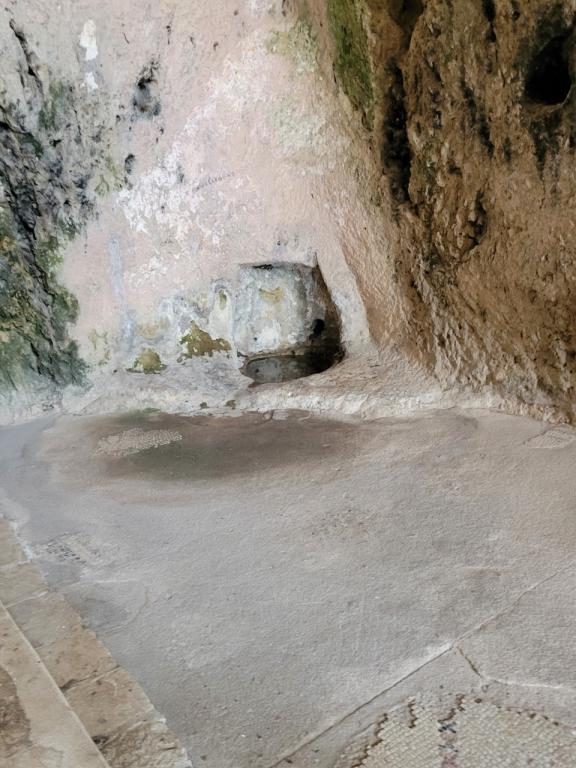
There was fresh spring water that came into the back of the cave which could be drunk, and was also used for cleaning, and for baptisms.
Here’s the place where water flowed in…
And here’s the escape tunnel…
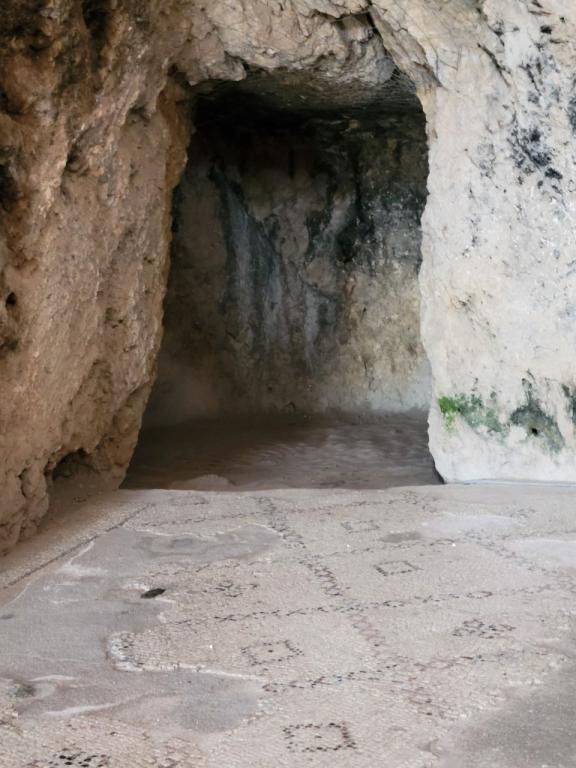
Escaping into the mountain itself….
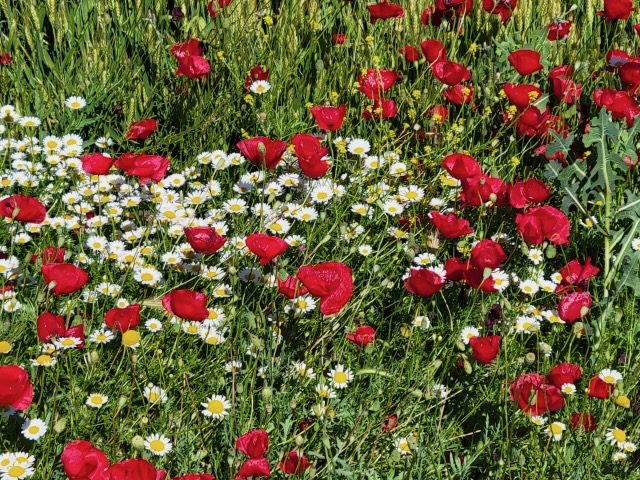
Today there is a nice platform in. front of the church where one can gather, with flowering trees of various sorts…
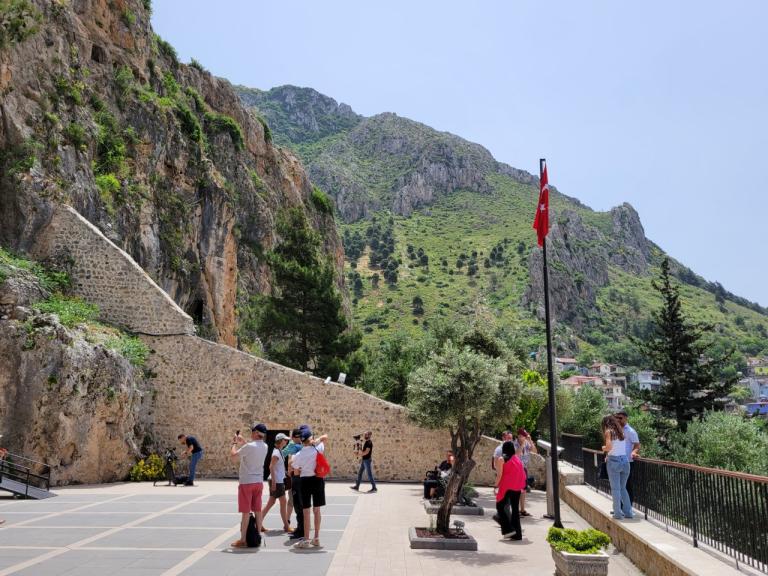
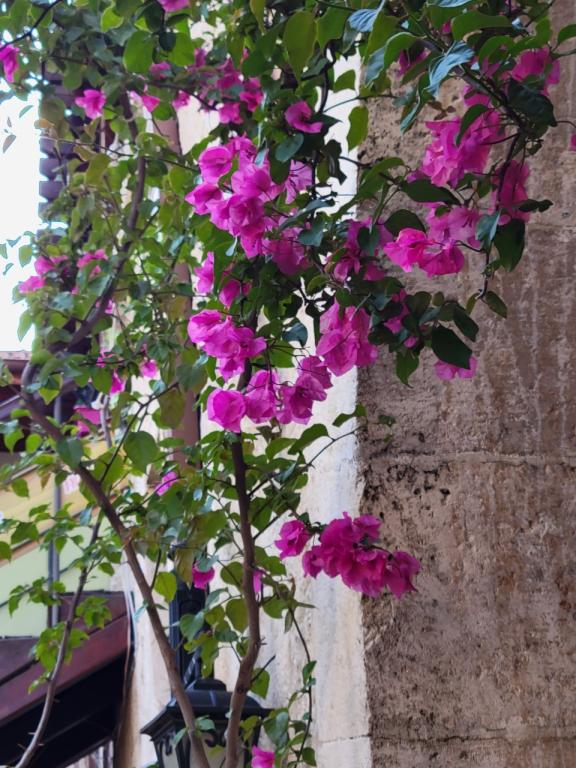
Including above my favorite– bouganvillia.
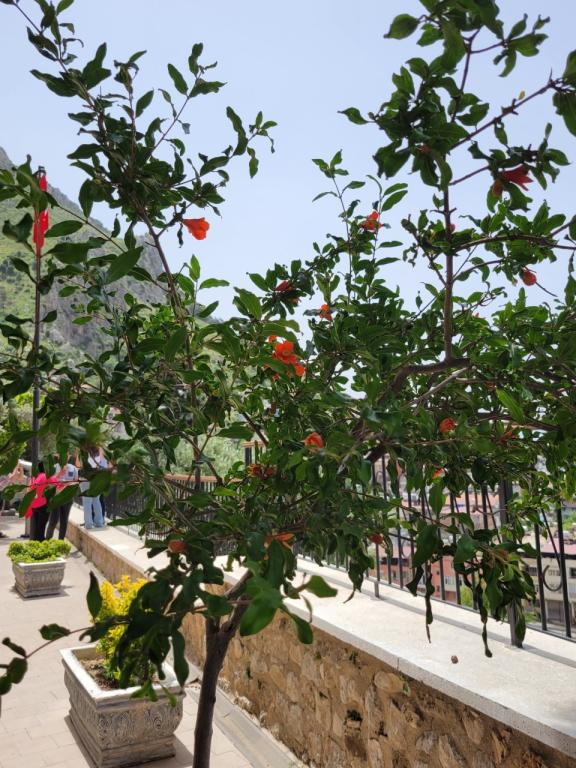
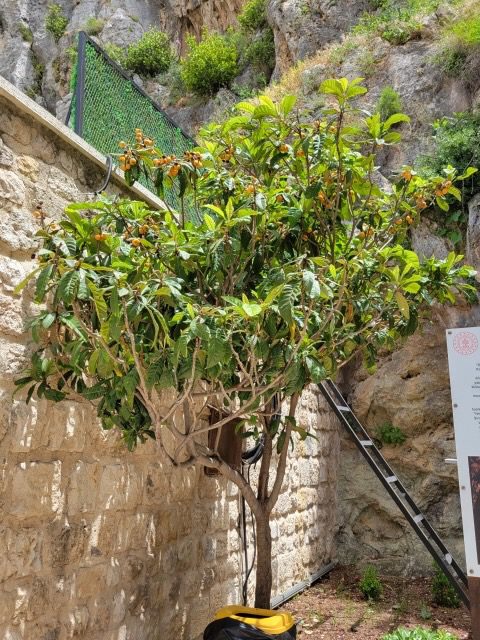 That’s a persimmon tree I believe.
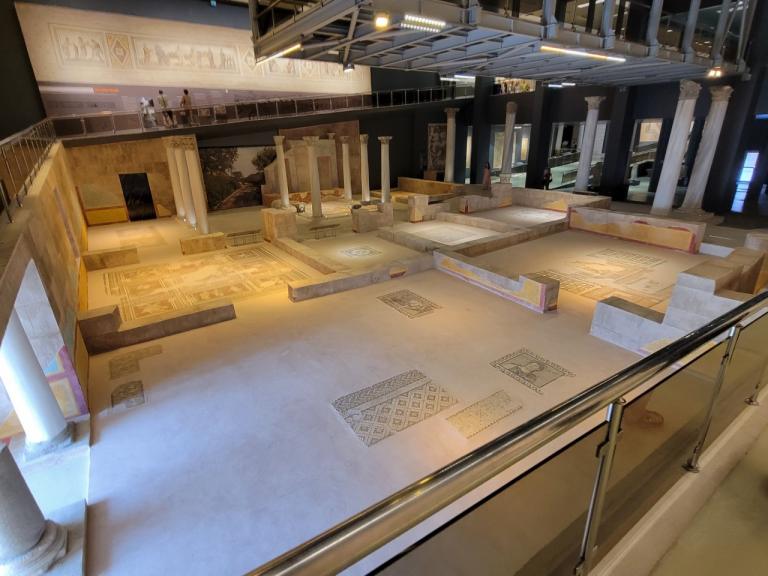
Now about that seven star hotel called the Museum Hotel, built over an archaeological site where they found Roman villas. The story is incredible. The millionaire who wanted to build the hotel at its current locale, when they began excavations, found a remarkable archaeological site under the ground, with many Roman villas with incredible mosaic floors. So….. he postponed the building until the site could be properly excavated and displayed, and then he built a state of the art hotel over it, with a museum built underneath it.
Here’s the museum hotel…. as seen from St. Peter’s church
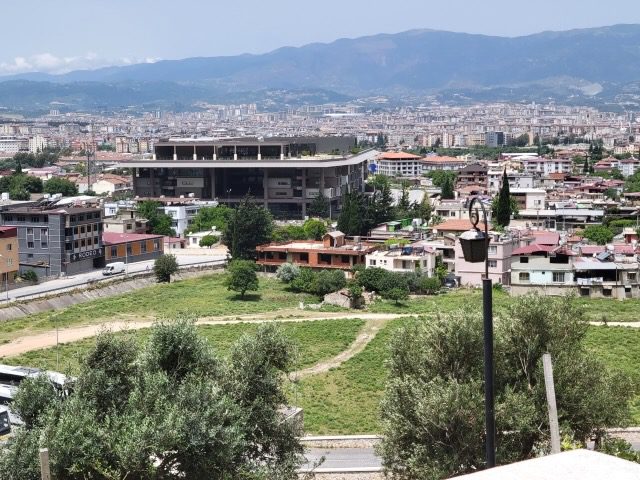
This hotel really does have remarkable construction as each room is suspended from the superstructure to make sure the weight doesn’t collapse on the museum site below….
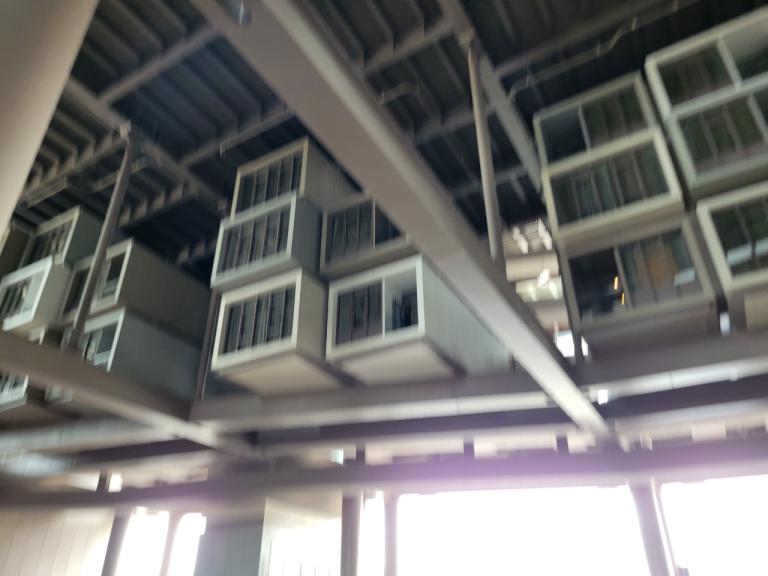
Those are not air conditioning units… those are cubicle rooms seen from below… and here’s what’s below them…
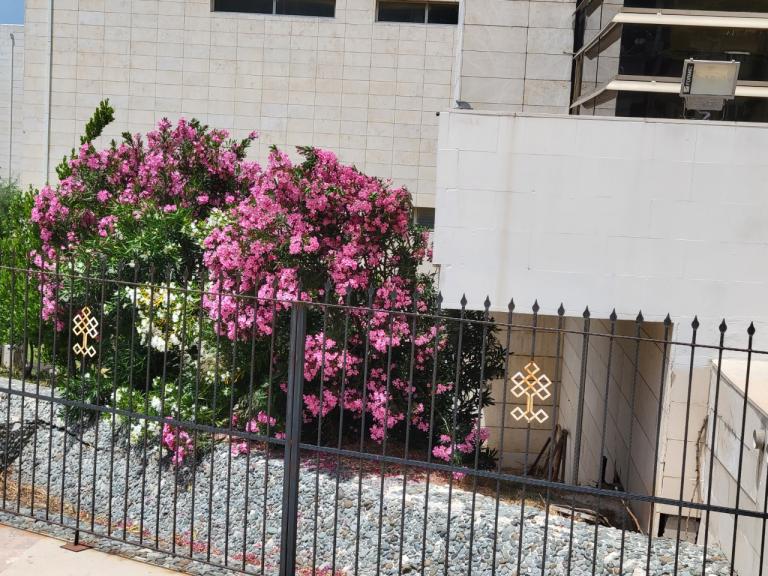
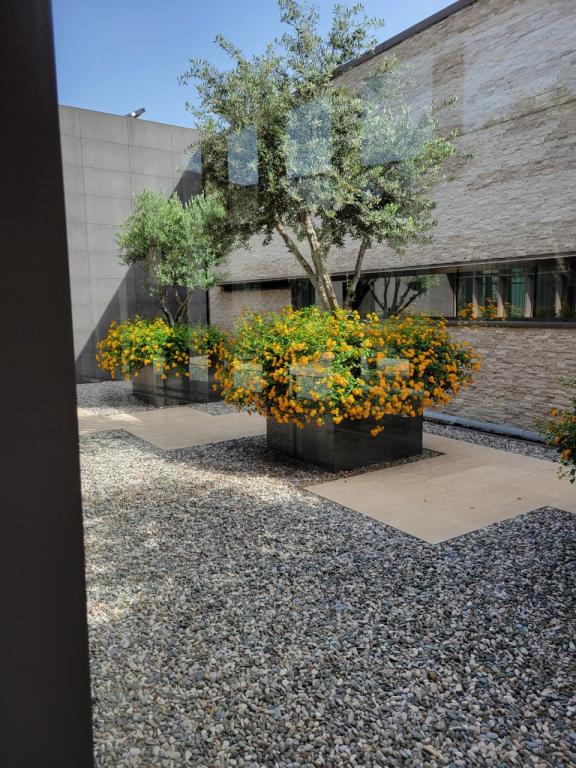
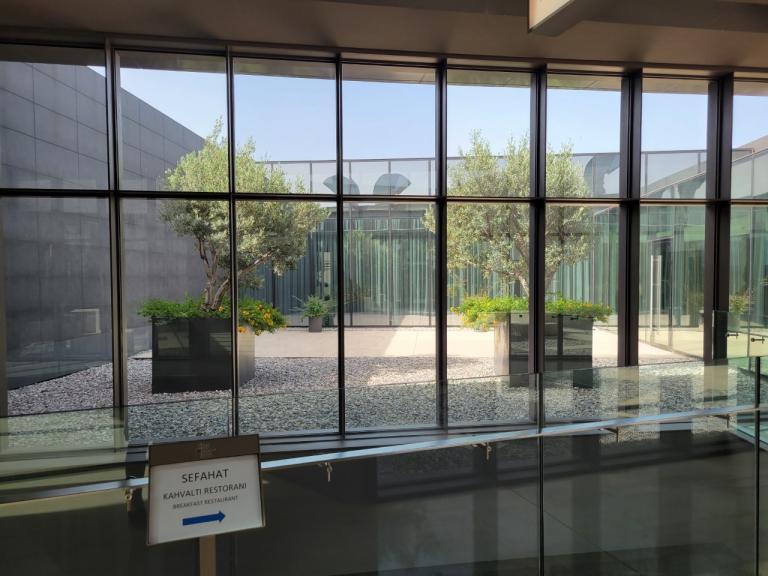
And of course the hotel is nicely appointed on the outside as well….
In our next post, we will deal with the museum under the hotel…..







 Ad-Free & Subscriber Log-In