

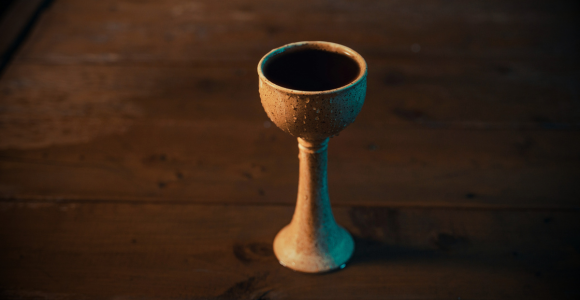
Our reading this last weekend of Lent is from the gospel of Matthew. Read Matthew 26:14-27:66 with me (I have only included the way posts of our story this week):
Then one of the Twelve—the one called Judas Iscariot—went to the chief priests and asked, “What are you willing to give me if I deliver him over to you?” So they counted out for him thirty pieces of silver. From then on Judas watched for an opportunity to hand him over . . .
When evening came, Jesus was reclining at the table with the Twelve . . .
Then Jesus went with them to a place called Gethsemane . . .
Welcome Readers! Please subscribe to Social Jesus Here.
This is Part 1 of the series Justice Lessons from the Final Scenes of the Gospel Stories
While he was still speaking, Judas, one of the twelve, arrived; with him was a large crowd with swords and clubs, from the chief priests and the elders of the people . . . Those who had arrested Jesus took him to Caiaphas the high priest, in whose house the scribes and the elders had gathered . . . When morning came, all the chief priests and the elders of the people conferred together against Jesus in order to bring about his death . . .
When Judas, his betrayer, saw that Jesus was condemned, he repented and brought back the thirty pieces of silver to the chief priests and the elders . . .
Now Jesus stood before the governor; and the governor asked him, “Are you the King of the Jews?” . . .
Pilate said to them, “Whom do you want me to release for you, Jesus Barabbas or Jesus who is called the Messiah?” . . . So when Pilate saw that he could do nothing, but rather that a riot was beginning, he took some water and washed his hands before the crowd, saying, “I am innocent of this man’s blood; see to it yourselves.” . . .
They came to a place called Golgotha . . . two bandits were crucified with him . . .
Jesus cried with a loud voice, “Eli, Eli, lema sabachthani?” that is, “My God, my God, why have you forsaken me?” . . . Then Jesus cried again with a loud voice and breathed his last . . .
When it was evening, there came a rich man from Arimathea, named Joseph, who was also a disciple of Jesus. He went to Pilate and asked for the body of Jesus . . . So Joseph took the body and wrapped it in a clean linen cloth 60 and laid it in his own new tomb . . .
The next day, the one after Preparation Day, the chief priests and the Pharisees went to Pilate. “Sir,” they said, “we remember that while he was still alive that deceiver said, ‘After three days I will rise again.’ So give the order for the tomb to be made secure until the third day. Otherwise, his disciples may come and steal the body and tell the people that he has been raised from the dead. This last deception will be worse than the first.” “Take a guard,” Pilate answered. “Go, make the tomb as secure as you know how.” So they went and made the tomb secure by putting a seal on the stone and posting the guard. (Matthew 26:14-27:66)
Our reading this week offers profound lessons for justice work today. Beyond the theological significance that so many have derived from the story of Jesus’ arrest, trial, crucifixion and resurrection, this story also highlights the dynamics of power, oppression, and systemic injustice. Jesus is betrayed, falsely accused, and executed by an unjust system. His experience reflects the plight of marginalized and silenced individuals. His courage, nonviolence, and steadfast commitment to speaking truth challenged social structures rooted in complicity, imperialism, and harm for those made the most vulnerable. This narrative invites us to reflect on what it means for us today, as Jesus followers, to participate in the work of resisting injustice, advocating for the vulnerable, and embodying moral integrity in the face of oppression, in our time and contexts.
We’ll begin our exploration with the scene of Jesus’ last supper with his disciples, in Part 2.
Begin each day being inspired toward love, compassion, justice and action. Free.
Sign up at HERE.













 Ad-Free & Subscriber Log-In