

Let’s begin part 2 with the scene of Jesus’ last supper with his disciples. This meal took on deep meaning for the early Jesus communities who centered Jesus’ teachings on mutual aid and resource-sharing. The narrative of this meal implied shared dignity, community, and resistance to the oppressive power responsible for economic exploitation. At the table, Jesus gathers a diverse group of disciples and offers bread and wine equally among them, modeling a radically inclusive community where status and hierarchy are overturned. In a society marked by imperial domination and economic inequality, this shared meal becomes a symbol of solidarity among the marginalized. It invites participants to remember a way of life centered on mutual care, service, and justice. This shared meal challenges systems that exclude or exploit, and calls Jesus-following communities to embody equality, hospitality, and commitment to the well-being of everyone at their table.
Welcome Readers! Please subscribe to Social Jesus Here.
This is Part 2 of the series Justice Lessons from the Final Scenes of the Gospel Stories
(Read this series from its beginning here.)
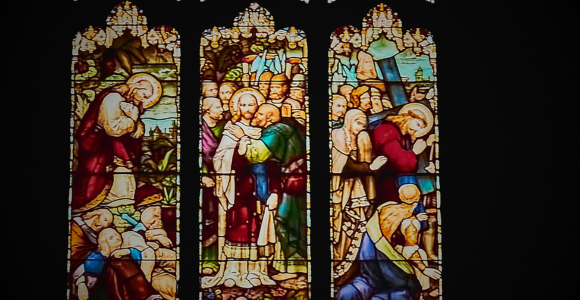
The next scene we encounter took place in the garden of Gethsemane. In Gethsemane, Jesus confronts the deep personal cost of standing up to and resisting injustice. Alone in the garden, he wrestles with fear, grief, and the knowledge of what faithful resistance will bring. The scene reveals that the struggle for justice is not only public and political but also profoundly personal. Those who stand against oppressive systems often face isolation, anxiety, and the risk of suffering. Gethsemane reminds us that courage does not erase fear; it moves forward despite it. The story honors the inner struggle of those who choose integrity over safety, showing that the path toward justice frequently passes through moments of anguish and costly resolve.
This scene ends with Jesus’ betrayal by one of his close disciples. Judas’ betrayal reminds us that movements for justice are not only opposed from the outside; they can also be wounded from within. Social justice work is built on trust, shared vision, and solidarity, yet those bonds can fracture through fear, pressure, or personal ambition. Judas represents the painful reality that even close collaborators can abandon or undermine the work. Judas’ story is a cautionary tale. Betrayal hurts deeply because it comes from those we believed stood beside us. Yet the narrative also reminds us that justice work must continue, even when our trust in others has been painfully broken.
Next in the narrative, we encounter Jesus’ various trials. Jesus’ trial before the chief priests reveals how the institutions in Jesus’ society had become conduits of empire. Leaders who were meant to guide their communities in the liberating justice of Torah instead collaborated with imperial power to preserve stability and their own authority. Their actions reflect a tragic pattern: systems (including those who establish and maintain such systems) meant to govern and ensure justice often align with domination when threatened.
When Jesus stands before Pontius Pilate, the political nature of the conflict becomes unmistakable. We’ll pick up here in Part 3.
Begin each day being inspired toward love, compassion, justice and action. Free.
Sign up at HERE.

















 Ad-Free & Subscriber Log-In