

“But the eyes of the Lord are on those who fear him, on those whose hope is in his unfailing love” (Psalm 33:18 NKJV).
At this sensitive time, the overlap of the Jewish Passover and Christian Easter is central. The nexus of these interconnected religions remains in controversy. Pope Leo speaks out against the issue, crossing the lines of religion and politics, and global pop culture searches desperately to find a firm foothold in the turbulence of socio-political issues.
At this coalescing of two major religions (Judaism and Christianity), and the end of the Islamic holy month of Ramadan (February 18-March 19), this time should be less of one seeking external signifiers and more of one to re-focus our attention, discipline, practice, and understanding of our religious beliefs. The opportunity is presented at this moment to share differences and celebrate commonalities in faith-based centers. Rarely is this opportunity taken into consideration or practiced.
To honor the collected importance of this time, musically speaking, this trio of works serves as an expressive example of what we, as global citizens devoted to our faith beliefs, might consider undertaking as a cooperative discipline out of respect and with the intent to learn, share, and recognize intersections and differences. Historically, battles over religion have been a persistent scourge of mankind. Taking a contemporary musical step toward cooperative socio-religious bridge-building, the works gathered here are border-crossing agents. Contemporary sounds accompany traditional religious values. Working independently, the trio illustrates a voice of people, faith-based people who seek to participate, practice, express, and communicate history, orthodoxy, discipline, devotion, culture, and art.
Selected Music Examples
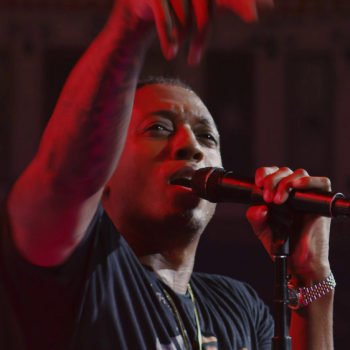
“The Passover Suite,” Aaron Shust,
“Passio,” Arvo Part
Short Reviews And Importance
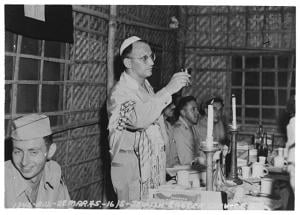
“The Passover Suite” – “The last 24 hours of Jesus’ life, the Day of Passover, are captured in this heart-wrenching song of three scenes. The story begins at the Last Supper, a Passover Seder, when Jesus identifies with the bread and wine. Then, we follow the disciples to Gethsemane, where Jesus prayed alone to His “Abba Father.” Finally, the soldiers arrive to take Jesus away to His death. Every lyric is closely based on Scripture: containing the words of Jesus, the Roman centurion, the soldiers, and Pontius Pilate” (YouTube, March 24, 2026).
Plaintive, introspective, and heart-warming. The work by Aaron Shust, a well-known name in the Christian music community, brings together the solemnity of the Passover with a contemporary approach. The work does not turn away from the importance of the celebration. Rather, the patience of the work draws the listener into the depth and importance of this Jewish celebration. Even if one is unfamiliar with Passover and its location in Jewish culture, this work is a comfortable introduction. To those for whom the Passover is central, this composition breathes life into this historic celebration.
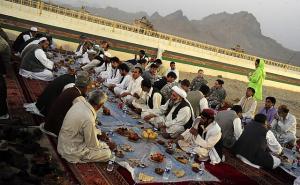
“Ramadan Nasheed” Ramadan Nasheed 2026, Emotional Islamic Song, Rayhaan Carrim Official, ريحان كريم – رمضان “This Ramadan Nasheed by Rayhaan Carrim is a heartfelt spiritual journey through the beauty, peace, and unity of the blessed month of Ramadan. From the first sight of the crescent moon to the quiet moments of sujood in the night, this emotional Islamic song reflects the calmness, gratitude, and closeness to Allah that fill the heart during Ramadan. The lyrics move between English and Arabic, expressing themes of repentance, mercy, Laylatul Qadr, Taraweeh nights, Qur’an recitation, and the unity of the Ummah standing shoulder to shoulder. “Ramadan Ya Ramadan, Noor fi qalbi” captures the feeling of light in the heart as we draw closer to Ar-Rahman. This nasheed is a reminder of forgiveness, dua, family gatherings, dates and milk at iftar, and the sacred atmosphere that makes Ramadan the most beloved month of the year. Whether you are preparing for Ramadan 2026, reflecting during Taraweeh, or searching for a peaceful Islamic nasheed to strengthen your faith, this song is created to inspire hearts worldwide” (YouTube, February 13, 2026).
The use of Arabic and English makes this work suitable for those who are new to this musical style and its religious importance. The video explores contemporary and traditional representations. The musical profile may depart from the more orthodox tradition of vocal-centered and minor instrumental accompaniment, but what this does is present an updated version showing how society, religion, and culture can and should remain current. Not an overburdening work, which keeps with the contemplative nature of the Nasheed. The historical cross-relationship in the instrumentation allows the work to further speak to multiple audiences. What this presentation does underscore is a romantic relationship between culture and religion. The ease, sensitivity, and personal approach to this genre capture the heart, soul, and spirit.
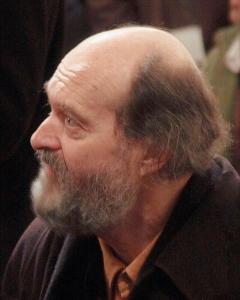
“Passio” – “Passio Domini nostri Jesu Christi secundum Joannem” (The Passion of Jesus Christ in the gospel of John; YouTube, posted July 29, 2018/released October 3, 1988). “The Passion of Christ tells of the last days of Jesus Christ” (YouTube, Kodaly Academy of Music, Singapore, July 28, 2021).
This work centers on a pointed location for Christianity. Taking as the subject the Passion of Christ, His sacrifice for mankind, and involving the last seven words of Christ, makes this work by Arvo Part humbling. The work does not release the grip of the pain, suffering, humility, and love; the elements that cloak Christ’s passion for all who come to Him. The composition could be seen as an Easter celebration, as it is in practice, there is a timelessness of the work which comes through in the patience of tempo, haunting vocal lines, and simplicity of the orchestration. The profound introduction and closing moments cease the heart and mind of the listener. What comes across as a meditative work is magnified in grandeur without ever giving up on the tension and inner peace the work embraces simultaneously.
Speaking From The Heart
Each of these works speaks to the heart of their community. Coming together at a central time for each of these religious disciplines, the contemporary nature of each employs faith while focusing its specific audience on the value and important relationship of the composition’s theme.
Any number of works could be selected to echo the interconnectedness of these cultures and exemplify their religious practices. These works individually communicate to their respective community while providing an entry point for an outside observer. The contemporary nature of each work provides a subtextual voice to the presence of each socio-religious context. What these works do, together, is illustrate that even in times of global unrest and moments of personal questioning and challenges, the necessity for us, as humans, to return and recount our individual faith-based practice, in sound, is a grounding force to open our eyes, ears, and minds to others who may be, and often are, in a similar point in time.
“Open the eyes of their hearts, and let the light of Your truth flood in. Shine Your light on the hope You are calling them to embrace. Reveal to them the glorious riches You are preparing as their inheritance” (Ephesians 1:18 NJKV).











 Ad-Free & Subscriber Log-In