
- Trending:
- Pope Leo Xiv
- |
- Israel
- |
- Trump
- |
- Social Justice
- |
- Peace
- |
- Love


The Church of Jesus Christ of Latter-day Saints Overview
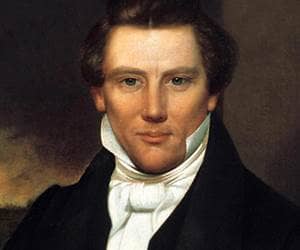
The Church of Jesus Christ of Latter-day Saints (LDS), more commonly known as the "Mormon" church, is a religion derived from Christianity that traces its origins to Joseph Smith. Founded by Smith in 1830 C.E. in New York, Mormonism developed as a sectarian movement in a turbulent period of American religious history.
Joseph Smith claimed to have been called by God to restore the church that Christ had established on the earth, but which had been lost after the deaths of the original apostles during a time known as the Great Apostasy. Smith said that heavenly messengers, including John the Baptist, visited him and conferred upon him the divine authority (Priesthood) to perform valid Christian baptisms and other ordinances of salvation. Later, Smith introduced temple worship as part of his desire to reintroduce all biblical practices into the modern world. This desire included the reintroduction of the controversial practice of polygamy which caused strife among church members, state authorities, and with the Federal Government.
The Saints moved several times during the 1830s and 1840s, often due to violent persecution and disputes with their non-Mormon neighbors. After Smith's murder in 1844, leadership of the church passed to Brigham Young, a dynamic organizer and frontiersman who led the church to the relative isolation and security of the American West. The church abandoned polygamy in 1890, and gradually found a place within traditional American culture.
Today, members of the church maintain strict dietary laws that prohibit the consumption of alcohol, tea, coffee, and the use of tobacco and illegal drugs. The church is also known for its emphasis on traditional family life, a strong work ethic, and a respect for authority and order. The members of the Church also have distinct theologies including a unique doctrine of God, Jesus, and Holy Spirit in which the three are separate entities, and continuing revelation through modern prophets.
Quick Fact Details:
- Origin: Joseph Smith first received his revelations in western New York.
- Deity: Mormons believe in a three-member Godhead that includes the Father, Son, and Holy Ghost. This differs from the Nicene-based understanding of the Trinity that emerged in Christian history.
- Scripture: The Bible, The Book of Mormon, The Doctrine and Covenants, and The Pearl of Great Price
- Leadership: Hierarchical Priesthood; President of the Church and his counselors, 12 Apostles, The Seventy, Area Seventies, Patriarchs, High Priests, Elders, Bishops, Priests, Teachers, Deacons
- Worship: Members of the Church of Jesus Christ of Latter-day Saints worship on Sundays in local congregations. They partake of the Sacrament, which is bread and water representative of Jesus Christ's body and blood, and listen to prepared talks by members of the congregation which discuss points of doctrine found in the scriptures and addition perspectives shared by modern leaders.
- Missionary Work: The Church has over 55,000 full time missionaries all over the world proselyting, baptizing new members, and organizing the Church.
Quick Fact Sources include www.adherents.com, www.bbc.co.uk/religion, The Oxford Handbook of Global Religions (2006), The Encyclopedia of Religion (2005), the Religious Movements Page at the University of Virginia, The Cambridge Illustrated History of Religions (2002), and the Encyclopedia of World Religions (1999).
Quick Facts
| Formed | 1830 |
| Adherents | 13,500,000 |
| Deity | God, Jesus, and the Holy Ghost |
| Sacred Text | Bible, The Book of Mormon, Doctrine and Covenants, The Pearl of Great Price |
| Origin | United States |
| Headquarters | Salt Lake City, UT USA |






 Ad-Free & Subscriber Log-In