

What Purim Means to Messianic Believers
Understanding the Festival’s Significance in a Messianic Context
Purim’s Importance
Purim is a joyous Jewish festival commemorating the salvation of the Jewish people from Haman’s plot to destroy them, as recorded in the Book of Esther. For Messianic believers—those who accept Yeshua (Jesus) as the Messiah while honoring their Jewish heritage—Purim holds unique layers of meaning that blend traditional Jewish celebration with Messianic faith.
The Historical Roots of Purim
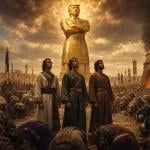
The story of Purim centers around Queen Esther, Mordecai, and the Jewish community in ancient Persia. Through Esther’s courage and God’s providence, the Jewish people were saved from destruction. The festival is traditionally marked by reading the Megillah (the Book of Esther) (CJB Chapters 1-10), giving gifts to the poor, sharing food, and celebrating with joy and gladness. The tradition of drowning out Haman’s name in the play reminds participants of the triumph of good over evil.
Purim’s Messianic Significance
For Messianic believers, Purim is more than a historical commemoration—it is a powerful reminder of God’s faithfulness to His people throughout history. Purim carries additional resonance for them. Many see the deliverance in Esther as a foreshadowing of the greater deliverance that Yeshua brings to all who trust Him.
Messianic Beliefs
Just as the Jewish people were saved from annihilation, Messianic believers see parallels in the way Yeshua delivers humanity from sin and spiritual death. Celebrating Purim becomes an act of faith – embracing hope, trusting in God’s sovereignty, and living out the values of compassion and unity.

Celebrating Purim as Messianic Believers
Messianic congregations often celebrate Purim with traditional readings, plays, festive meals, and charity, but they may also incorporate worship songs, teachings, and prayers that highlight Yeshua’s role as Redeemer. Purim becomes an opportunity to witness to the faithfulness of God and to share the message of salvation found in the Messiah. I learned and started observing Purim after joining a Messianic congregation. The celebration is beautiful!
Lessons of Faith and Identity
Purim encourages Messianic believers to stand firm in their faith, just as Esther and Mordecai did. The festival serves as a call to trust in God’s sovereignty, act with courage in the face of adversity, and identify openly as followers of the Messiah.
Celebratory Hope
It is a celebration of hope, resilience, and the enduring promise that God’s purposes will prevail. The festival serves as a reminder that even in times of great danger and uncertainty, God’s providence can bring about deliverance and victory for those who trust in Him. Purim is a celebration of hope, courage, and the enduring power of faith to overcome adversity.
Man in the Mirror
Beyond its festive surface, Purim invites reflection on deeper spiritual truths. The Book of Esther is unique. Why? It does not mention God’s name once, yet divine intervention is evident. This mystery encourages readers to recognize that even when the divine is not overly visible, there is a guiding hand at work in the world.
Conclusion
For Messianic believers, Purim is not only a celebration of past deliverance but also a joyful affirmation of present and future hope in Yeshua. It is a time to rejoice, reflect, and remember that God’s love and salvation extend to all who call upon Him—yesterday, today, and forever. Purim’s message is for all believers in the Messiah Yeshua.
Take Your Seat at the Table!
Its message echoes courage, faith, hope, and deliverance across generations and cultures. Everyone can benefit from the message of Purim—the customs of Purim foster joy, generosity, and togetherness. The story in Esther reminds us that even in the most uncertain times, resilience and hope prevail. Purim invites everyone to sit at the table. Join in a celebration that transforms fear into joy and uncertainty into victory! Will you come? Purim this year is observed on March 2-3, 2026.














 Ad-Free & Subscriber Log-In