

The book of Jeremiah is one of the most gripping, emotional, and theologically rich works in the entire Old Testament. Jeremiah didn’t preach during calm times or seasons of spiritual renewal—he lived and ministered during one of the most chaotic, politically violent, and spiritually confused periods in Israel’s history. When we read Jeremiah with an understanding of the world he lived in, we begin to see why his message feels so raw, so urgent, and so heartbreakingly relevant for us today.
A Prophet in a Turbulent World
Jeremiah’s ministry stretched over roughly forty years and spanned the reigns of five different kings. During his lifetime, the ancient Near East was undergoing massive upheaval. The mighty Assyrian Empire collapsed. Egypt tried to regain control of the region. And then Babylon rose from the north and swept across the map with unstoppable force.
Judah—Jeremiah’s homeland—was caught in the middle of these international superpowers. Political alliances shifted. Kings were placed on the throne and removed like pieces on a chessboard. And all the while, Jeremiah stood in the middle of the whirlwind, calling his people back to the God they had forgotten.
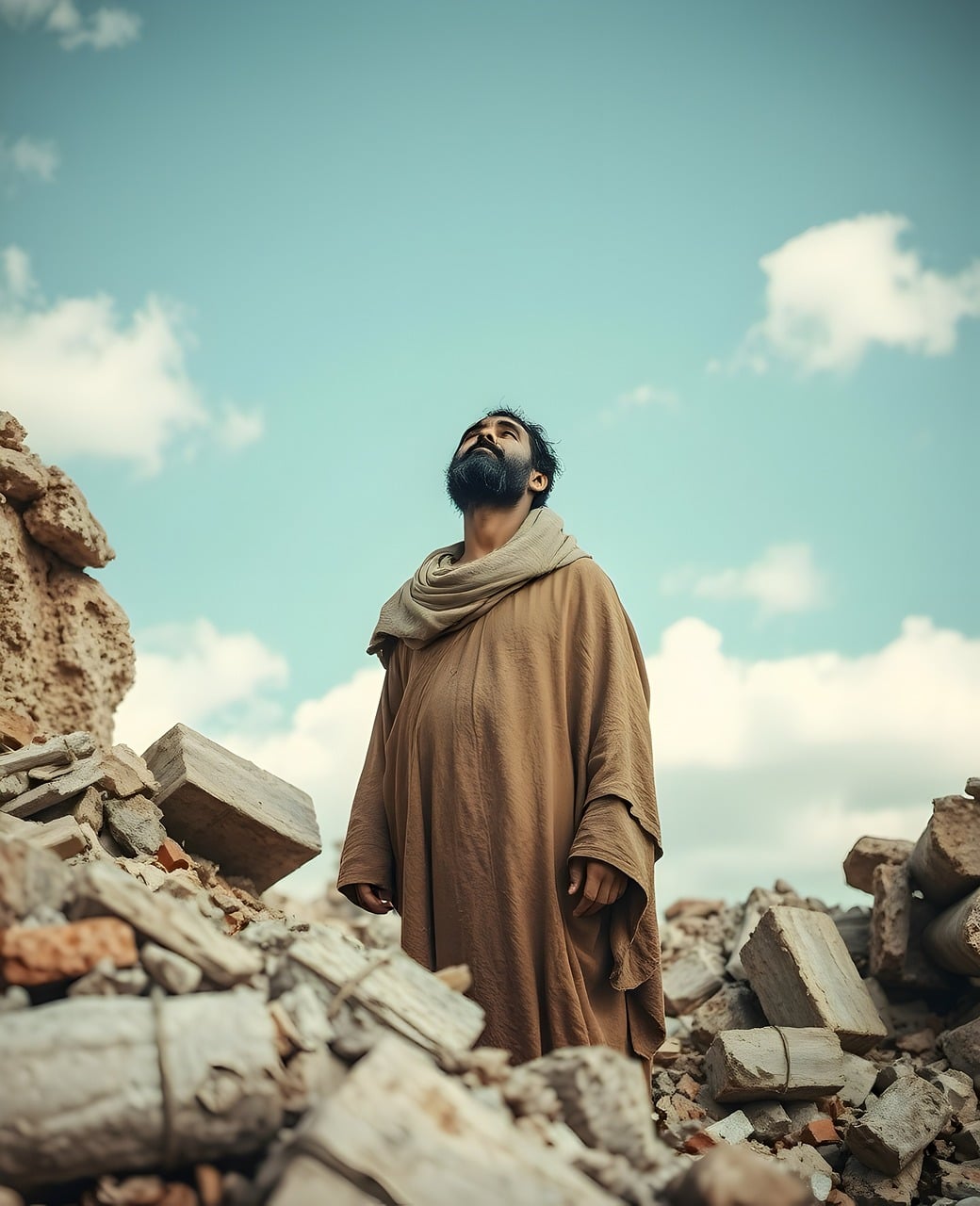
Understanding this historical backdrop helps us grasp why Jeremiah speaks with such intensity. His warnings aren’t abstract theological statements—they’re spoken to a nation unraveling in real time.
A Book Shaped by Emotion and Conflict
Jeremiah’s writings reflect the turmoil around him. The book is a mixture of poetry, prose, prayers, symbolic actions, and deeply personal confessions. Jeremiah sometimes sounds bold and fearless. Other times, he sounds exhausted, lonely, or overwhelmed. He is often called “the weeping prophet” because of the tears shed for his people, and his book makes that title feel well-earned.
When you read Jeremiah’s laments—his personal cries to God—you’re reading the honest struggle of a prophet torn between obedience to God and heartbreak over a nation determined to self-destruct.
Why Where Jeremiah Lived Matters
Jeremiah came from a small priestly town called Anathoth, just a short walk from Jerusalem. This detail matters, because it means Jeremiah grew up deeply connected to the religious life of Judah. He knew the temple. He knew the rituals. He knew the spiritual responsibilities of priests and leaders.
And that makes his message even more powerful. Jeremiah wasn’t an outsider throwing stones at the religious establishment. He was one of them—and he saw from the inside how far things had fallen.
A Culture Steeped in Idolatry and Confusion
Josiah, one of Judah’s last godly kings, attempted major spiritual reforms. But after his death, the nation quickly sank back into idolatry. People blended worship of the God of Israel with the gods of neighboring nations. They sacrificed children. They erected shrines to foreign deities. They believed political alliances could save them while ignoring the God who rescued them.
Jeremiah confronted all of it—boldly and repeatedly.
When you read his warnings, they make far more sense when you realize he was watching his nation willingly trade its spiritual heritage for the false security of idols, rituals, and political strategies.
A Message of Judgment—and Hope
Even though Jeremiah’s message often sounds heavy, it is ultimately filled with hope. God warns His people because He loves them. He sends Jeremiah because He has no desire to abandon them. And in the middle of their rebellion, God promises something astonishing: a new covenant written on the heart, not just on tablets of stone.
That promise would echo centuries later in the coming of Christ.
Why These Backgrounds Matter for Us Today
Understanding Jeremiah’s world breathes life into the book. It reveals:
-
why Jeremiah’s warnings are so emotional
-
why his symbolic acts were so dramatic
-
why the people resisted him
-
why God’s promise of hope shines so brightly
Jeremiah lived in a time of collapsing morals, rising fear, political confusion, and spiritual compromise. In many ways, he lives closer to our world than we might expect.
The world behind Jeremiah isn’t just background information—it’s the lens that brings his message into sharp, modern focus.













 Ad-Free & Subscriber Log-In