

A Creative Convergence for a Greener Future
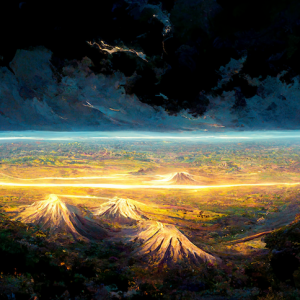
In a world facing environmental challenges, eco-spirituality, a movement that embraces the interconnectedness of all living things, is gaining momentum. This philosophy finds a powerful ally in art, offering a creative platform to express environmental concerns, envision a sustainable future, and inspire action towards a healthier planet.
Connecting Faith and Nature:
Many religions hold the Earth and its inhabitants in high regard. Eco-spirituality draws upon these traditions, fostering a sense of reverence for nature and encouraging individuals to act as stewards of the environment. This philosophy emphasizes:
- Interdependence: Recognizing that humans are part of a complex web of life, not above it.
- Compassion: Extending care and respect not just to fellow humans, but to all living creatures and the natural world.
- Sustainability: Advocating for practices that ensure the well-being of the planet for generations to come.
Art as a Catalyst for Change:
Art serves as a powerful tool for advocacy and awareness raising. Eco-spiritual artists utilize various mediums to:
- Highlight environmental challenges: Paintings, sculptures, and installations can depict the devastating effects of pollution, deforestation, and climate change, urging viewers to acknowledge the urgency of the situation.
- Evoke a sense of wonder and appreciation for nature: Landscapes, nature photography, and even sound installations can connect viewers with the beauty and fragility of the natural world, fostering a sense of responsibility towards its protection.
- Inspire collective action: Powerful murals, street art, and participatory art projects can spark public conversation, encourage community involvement, and mobilize individuals towards sustainable practices.
Examples in Action:
The world is witnessing a vibrant eco-spiritual art movement in action:
- Mel Chin’s “Revival Field” uses a polluted site to grow a field of sunflowers, symbolizing the potential for environmental remediation.
- Agnes Denes’ “Wheatfield – A Confrontation“ planted a wheat field in the middle of Manhattan, prompting viewers to consider the disconnect between urban life and food production.
- Mandy Moore’s “Plastic Ocean” sculptures, crafted entirely from recycled plastic waste, raise awareness about the dangers of plastic pollution.
A Call to Creative Action:
Eco-spiritual art isn’t just about creating beautiful pieces; it’s about inspiring action and fostering a sense of collective responsibility. Artists, viewers, and communities can all play a role:
- Artists: Utilize their creativity to raise awareness, evoke emotions, and inspire positive change.
- Viewers: Engage critically with eco-spiritual art, reflect on the message, and explore ways to contribute to a more sustainable future.
- Communities: Support eco-spiritual art projects, participate in environmental initiatives, and advocate for policies that protect our planet.
Conclusion:
By weaving together faith, art, and environmental stewardship, eco-spirituality offers a powerful path towards a more sustainable future. As we face the challenges of climate change and environmental degradation, creative expression through art can serve as a catalyst for awareness, inspiration, and collective action, paving the way for a more harmonious coexistence with the Earth and all its inhabitants.
Let’s harness the power of art to create a future where faith meets action, and where creativity fuels a greener future for all.










 Ad-Free & Subscriber Log-In