

Bhutan: The Power of GNH Over GDP

What is more important – Gross National Happiness (GNH) or Gross Domestic Product (GNP)?
This question has stayed with me for years, shaped not by theory but by life itself.
I’ve had two near-death experiences. The first was at age eight in Kolkata, when a drunk driver in an Ambassador car ran over me. My body fell miraculously between the four wheels. I spent two weeks in a hospital bed with a brain injury.
The second came decades later, in 2009, on a narrow mountain trail in Bhutan. I slipped, lost my footing, and tumbled off a cliff—saved only by a tiny patch of land separating me from a valley thousands of feet below. I climbed back up, shaken, breathless… and alive.
These moments reshaped my understanding of gratitude, happiness, and the fragility of life. They also opened my eyes to a deeper truth: even if I never uncover the ultimate Truth, the pursuit of it makes life worth living.
Bhutan is where this realization began to crystallize.
A Nation Shaped by Happiness
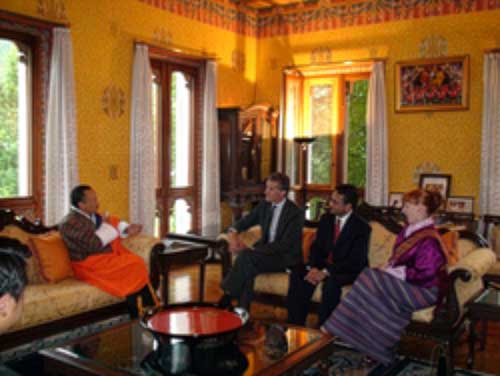
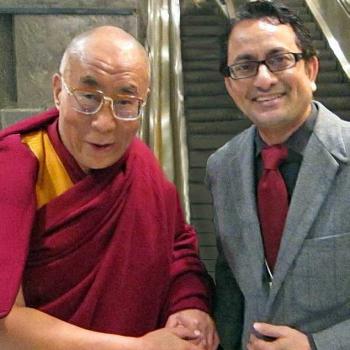
I traveled to Bhutan with colleagues from SNV Netherlands Development Organisation to support livelihood programs in remote communities. During this visit, I had the privilege of meeting Bhutan’s first democratically elected prime minister, Dasho Jigmi Y. Thinley.
As per the vision of the Fourth Druk Gyalpo, King Jigme Singye Wangchuck, Bhutan held its first democratic elections in 2008. To our surprise, the prime minister explained that while many nations are fighting for democracy, the Bhutanese people—deeply trusting of the monarchy—were still adjusting to having to elect their leaders.
This conversation reminded me of a concept I first heard years earlier at a Landmark Forum meeting: “What we don’t know that we don’t know.”
We also met the head of Bhutan’s Planning Commission—affectionately known as “Mr. Happiness.” Their work centers on a concept that feels almost revolutionary in today’s world: Gross National Happiness (GNH).
Introduced in the late 1970s by the Fourth King, GNH was built on the belief that the purpose of government is not merely to grow the economy but to create the conditions for people to flourish.
Its four pillars are:
- Sustainable development
- Cultural preservation
- Environmental conservation
- Good governance
Today, Bhutan measures progress through nine domains and 33 indicators. Every policy, every project, every law is evaluated through the lens of its impact on happiness.
The Bhutan I Saw
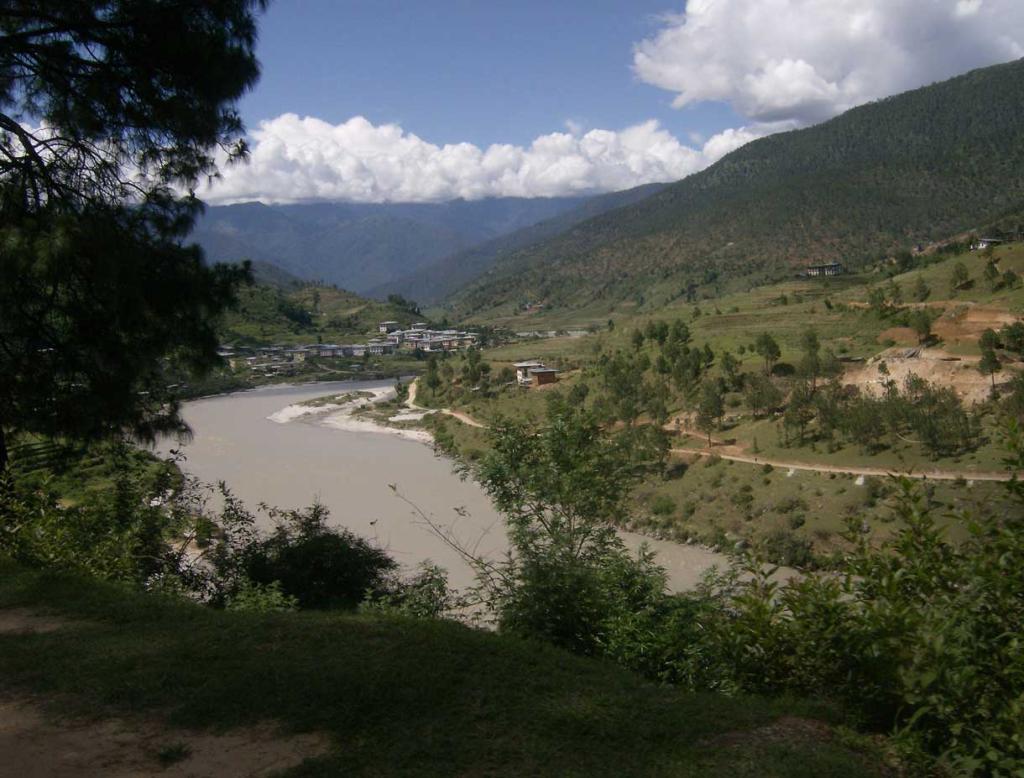
My work has taken me across six continents, but Bhutan remains unlike anywhere else.
The landscapes—rising to 24,000-foot Himalayan peaks—feel sacred. The air feels ancient.
Bhutan is the world’s only carbon-negative country, absorbing more carbon than it emits. Its people practice Vajrayana Buddhism, deeply rooted in mindfulness, compassion, and interdependence.
The stories and people I met stayed with me long after I left: an elder whose gentleness carried centuries of wisdom, a young community leader devoted to education, a social worker helping fellow citizens live with dignity.
Bhutan is often portrayed as the world’s last Shangri-La. Yet it is also a real country facing real pressures:
- Youth migration to high-GDP countries
- The need to diversify its economy
- Ambitious initiatives like the 10X Vision
- And the visionary Gelephu Mindfulness City, designed to blend innovation with Bhutanese values and bring young Bhutanese home
Bhutan is not perfect—but it remains anchored to something rare: an insistence that well-being matters more than wealth.
GDP vs. GNH: A Personal Lens
Whenever debates arise about whether a country should prioritize GDP growth or human well-being, I think of Bhutan—and of those two moments when my life nearly ended.
GDP can tell us how productive a nation is.
But it cannot tell us whether life is meaningful.
It cannot measure gratitude.
It cannot measure compassion.
It cannot measure the quiet joy of a child who survives—or the wonder of standing alive after falling from a cliff.
Bhutan taught me that happiness is not the absence of struggle—it is the presence of purpose.
And perhaps that is the truth I continue to search for:
We may never fully know what happiness is. But the pursuit of it—through gratitude, compassion, and connection—is what makes life worth living.











 Ad-Free & Subscriber Log-In