


October Initiatives
Exposing Domestic Violence
Did you know October is Domestic Violence Awareness Month? I am making this inquiry because the tenth month of the year is known for Halloween and Breast Cancer Awareness.
While these initiatives are great to celebrate, domestic violence is an issue that affects many people, including Christians.
Knowing this, I’ll discuss the history, expose the trauma, and examine the impact of domestic violence on Christians. Once these areas are addressed, I’ll list helpful resources and offer a message for those dealing with domestic violence.
Domestic Violence Awareness Month
It’s History
Domestic Violence Awareness Month became an official day of observance on October 17, 1981. The National Coalition Against Domestic Violence (NCADV) declares October 17 as a Day of Unity.
NCADV chooses purple as its official color to connect with other women’s rights efforts. In 2010, Katherine Hudson followed in NCADV’s footsteps by Co-founding Wear It Purple Thursday.
Now known as Purple Thursday, it occurs every third Thursday in October. This day raises awareness of violence against youth and the LGBTQIA community.
While wearing purple provides a sense of solidarity, passive support does not offer tangible aid for victims of domestic violence.
Knowing this, Congress established the first DVAM in 1987. In the same year, a toll-free national domestic violence hotline was established.
The hotline still exists today, and users can dial (800) 799-7233 for assistance. As of March 13, 2024, seven million people have contacted the hotline.
While no official data shows how many people the hotline has assisted, millions have been helped. This means millions of lives have been rescued from the horrors of domestic violence.
Along with establishing a national hotline and the Day of Unity, Congress passed Law 101-122 in the 1980s. This law federally observes October as Domestic Violence Awareness Month.
Defining and Exposing This Trauma
To appreciate the significance of DVAM, one must understand the meaning of domestic violence. Experts define domestic violence as abusive behavior a lover uses against their intimate partner to gain control in a relationship.
An abusive partner gains control by using tactics like
- Blame
- Fear
- Injury
- Manipulation
- Terror
- Murder
Abusers desire control for a variety of reasons, including
- Anger management issues.
- Corrupt values about how to treat their partner.
- Low self-esteem.
- Mental health disorders.
- The influence of drugs and alcohol affects their behavior.
Abusive behaviors involve violence that is of a physical, psychological, or sexual nature.
Sadly, 1 in 4 women and 1 in 9 men experience this type of trauma. Additionally, intimate partner violence harms 12 million people every year.
These 12 million individuals are not the only ones enduring this pain. Children, teenagers, and young adults are also affected by this form of abuse. Researchers say
- Children witness 22% of intimate partner violence incidents filed in court.
- 30-60% of abusers also harm their children.
- Domestic violence is a significant precursor to child fatalities from abuse and neglect.
- 29% of female college students say they’ve been in an abusive relationship.
- 1 and 5 students say they endured digital abuse at school or off grounds.
- 1 in 5 women and 1 in 7 men who experienced intimate partner violence first experienced some form of partner violence between 11 and 17 years of age.
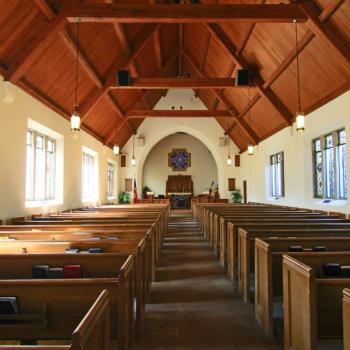
Domestic Violence in the Church?
Inspiration from Tyler Perry (Spoiler Alert)
The reality of 11 to 17-year-olds being harmed is heartbreaking. A similar feeling occurs when faced with the fact that domestic violence happens among Christians
Tyler Perry’s Divorce in the Black illuminates domestic violence and its impact on the church. The film features Meagan Good (Ava), the daughter of a pastor who marries Cory Hardict (Dallas).
Dallas does not come from a “good” Christian family and does not consistently conduct himself respectably. Ava often experiences the brunt of his disrespect as he lashes out at her.
Despite relatives’ pleas to leave, Ava remains faithful to her husband. As the movie progresses, viewers learn about Dallas’s trauma, compelling Ava to stay with her spouse.
Unfortunately, Dallas does not reciprocate her compassion and files for divorce. Heartbroken, Ava accepts this new reality. However, Dallas appears to change his mind and is infuriated when Ava refuses to take him back.
He decides to continually harass and threaten Ava until their final encounter leads to his death.
Exposing the Issue and Offering Assistance
While Dallas died fictitiously, many Christians deal with the traumatizing effects of domestic violence daily. Experts stress that just because a couple attends church regularly doesn’t mean harm isn’t happening in private
Experts also say the problem is magnified when pastors
- Blame spouses for the abuse they endure.
- Fail to recognize the warning signs.
- Ignore a spouse’s cry for help.
- Recommend marriage counseling (which doesn’t help victims desiring to escape).
Thankfully, where some pastors may fail, other professionals offer advice and resources to help victims become overcomers. Focus on the Family advises readers to recognize warning signs in perpetrators and victims.
Some warning signs in victims include
- Depression.
- Frequent absences from work.
- Frequent injuries.
- Lack of assertiveness.
- Low self-esteem.
As mentioned earlier, low self-esteem is one way a perpetrator gains control over their victim. Other ways to spot a perpetrator are
- Controlling behavior, jealousy, and possessiveness.
- Enforcing rigid gender roles.
- Lack of accountability for their behavior.
- Sudden mood swings.
- Threats.
If someone you know is dealing with threats or other forms of abuse, encourage them to use the following resources
- Domestic Shelters.
- Focus on the Family’s Christian Counselor Network.
- Focus on the Family Counseling Consultation Line.
- National Domestic Violence Hotline.
- National Suicide Prevention Hotline.
- Life Skills International.
- Mercy Multiplied.
- National Council on Child Abuse and Family Violence.
- Open Hearts Ministry, Inc.
- Parents Anonymous.
A Biblical Understanding of Abuse
Most of the above resources are biblically sound, Christian-based agencies dedicated to stopping domestic violence. While these agencies do phenomenal work, listing them here doesn’t help readers think about this social issue biblically.
That said, the Bible upholds the belief that all forms of abuse are sinful. This is because God expects believers to demonstrate love toward each other in ways that resemble 1 Corinthians 13:4-8.
Scripture also says God hates those who behave violently and includes fits of rage as an indicator that one’s life isn’t submitted to the Holy Spirit.
Along with these standards, God also has expectations for married couples. Wives should submit to and honor their husbands.
The ill-informed try to pervert this teaching by suggesting that a husband can treat his spouse in any way. However, Ephesians 5:25 instructs husbands to adore their wives like Christ loves the church and gave himself for her.
Hope and Forgiveness
Scripture also teaches fathers not to provoke their children to wrath by raising them according to the Lord’s discipline and instruction. This means they must demonstrate sacrificial love that shows concern for their family’s well-being.
God also cares about the well-being of both the victim and the abuser. For victims, scripture teaches that God is a comforter, deliverer, and protector who saves those who call on him.
He will also heal them from the trauma and teach them how to forgive, trust, and love others in due time.
The abuse may make them feel like God has forsaken them. However, he’s their helper who will somehow turn their pain into something good.
God is also willing to transform the abuser’s situation into something good despite their transgressions. The ultimate hope is that this good is a transformed life through accepting Jesus as Lord and Savior.
Then the abuser will receive forgiveness for their sins, like the thief on the cross. Knowing this, we should ask God to help believers humble themselves and be receptive to receiving counseling for the issues prompting them to be violent.
We know God can soften hard hearts and do more than we can request or think, including changing the nature of an imperfect sinner.
Does this article help you have a better understanding of domestic violence? Are there other health and social justice-related issues I should highlight? Please, feel free to leave a comment below. Your thoughts and feedback are greatly appreciated!












 Ad-Free & Subscriber Log-In