

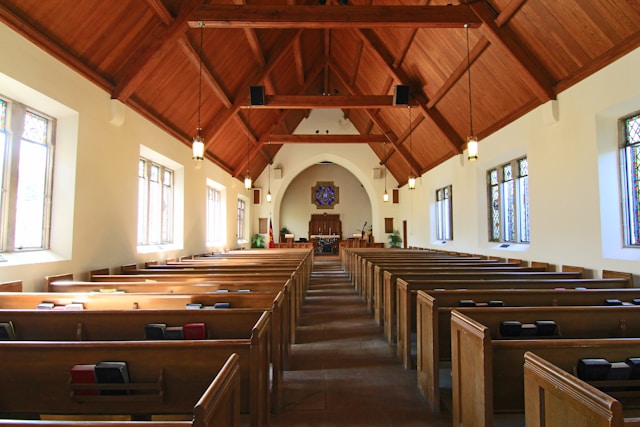
Church Hurt
Why Don’t Some People Regularly Attend Church?
Church hurt is an appropriate topic to address during Passion Week and Resurrection Weekend. The reason is that some people use this celebratory occasion to acknowledge their belief in Jesus Christ as the risen Savior.
Sadly, once they fulfill their religious obligation, many don’t return to church until next year. But what keeps them from regularly attending church? Why do they choose not to remain in fellowship with a local assembly?
Below, I’ll provide a possible explanation for these inquiries by offering a clinical and biblical definition of church hurt. Then, I’ll help readers learn how to recognize, heal, and overcome its painful effects.
Defining Love & Church Hurt
Jesus & The Scribe (Luke 10:25-29)
Before defining church hurt, let’s examine who Jesus calls Christians to love and how this manifests practically. In Luke 10:25-29, a Scribe tests Jesus by asking how he can gain eternal life.
Ironically, he’s not interested in gaining salvation but wants to test Jesus knowledge. Knowing this, Jesus asks the Scribe what the law says.
As a religious expert, the Scribe says he must love the Lord God with all his heart, mind, and soul. He also says he must love his neighbor as himself. Jesus acknowledges the Scribe has the right answer and that if he practices what he preaches, he’ll live.
That said, scholars suggest the Scribe’s response is arrogant since he’ll never perfectly obey the law. Consequently, they believe he should have practiced humility by using the moment with Jesus to confess his sin.
Instead, he asks who his neighbor is, hoping that Jesus will support a common belief that one only needs to love those who are righteous. This belief stems from a misconception about Psalm 139:21-22, thinking they could hate those considered wicked.
However, the verse teaches people to hate the sins people commit, not sinners themselves. To help the Scribe understand what it means to love others, Jesus tells the story of the Good Samaritan.
A Biblical & Clinical View of Church Hurt
The Story of the Good Samaritan depicts church hurt as two religious leaders ignore the needs of a Jewish man who’d been robbed and attacked. The story also demonstrates love as the Good Samaritan assists the injured man, mending his wounds and paying for his lodging.
This random act of kindness reflects Paul’s view of love in 1 Corinthians 13:4-8 as patient, kind, and selfless. He even practices endurance by promising to pay more for the injured man’s lodging if the amount he’s paid isn’t enough.
While the Good Samaritan is loving, the religious leaders who ignored the injured Jewish man are rude, inconsiderate, and selfish. Their unloving conduct reveals an implicit biblical definition of church hurt.
Church hurt occurs when an individual feels harmed by Christians who fail to show them God’s love through their words and actions. Clinical professionals call this lack of love spiritual abuse. Spiritual abuse is the emotional pain and trauma that individuals experience in faith-based communities from religious leaders or laity.
Recognizing Spiritual Abuse
Making The Good Samaritan Relatable
Many may be able to understand how the Jewish man in Luke 10:30-37 experiences spiritual abuse. After all, the Temple assistant and priest intentionally turn a blind eye to his injuries.
That said, you may find this story unrelatable if you’ve never been robbed, attacked, or abandoned like the Jewish man. But perhaps you can relate to the Jewish man’s feeling of being overwhelmed by the challenges and hardships you have to endure.
Maybe you’re stressed about financial burdens, family drama, or a health condition that doesn’t seem to be improving. Or you could be dealing with deep personal pain, like the guilt and shame that come from making bad decisions.
So you come to church searching for hope and love from God, which people claim to demonstrate. But while you’re there, someone judges the way you dress, and another member scolds you for sitting in “their seat.”
Or perhaps you notice they’re being fake and gossiping about others behind their backs. And it makes you feel neglected, like the Jewish man probably felt lying on the ground, as the religious leaders ignored his needs.
Similarly, maybe you didn’t experience this type of pain at church, but from a Christian in your life. Maybe this believer was a family member who violated you sexually, or a teacher who belittled you.
I mention these examples to show that church hurt doesn’t just come from leaders of a specific religious institution. This trauma can also come from imperfect people within the Body of Christ.
Church Hurt vs Correction
New Testament believers experience church hurt from imperfect people when
- The Early Church argues over food distribution.
- Paul and Barnabas have an intense argument that causes them to part ways.
- Jesus warned the disciples about false prophets who would attempt to lead them astray and cause harm.
Similarly, African Americans have endured this trauma as a by-product of slavery and racism. Dr. Cater G. Woodson confirms this by chastising Whites Christians who lacked conviction for mistreating and killing Blacks.
While laws now exist to prevent people from enduring cruelties like slavery, church hurt remains an ever-present stronghold. Today, this stronghold continues to traumatize its victims through
- Abuse cover-ups.
- Burnout and being overworked.
- Condemnation and abuse.
- Discrimination.
- Exclusion.
- Fake positivity.
- Gossip.
Issues like gossip can severely damage relationships, hinder the work, and disrupt the unity within the Body of Christ. However, some instances harm people but shouldn’t be considered church-hurt.
These instances include
- A leader’s willingness to confront a congregant’s wrongs.
- Disagreeing over minor issues.
- Someone who sins against you but is demonstratively repentant.
- Warranted church discipline.
Healing from Church Hurt is Possible
Don’t Leave God or His Bride (The Church)
Pain and trauma can come from church hurt or an individual’s misconception of how they were rightly disciplined. Either way, the depths of this pain can tempt people to stop attending worship services altogether.
Though this temptation presents a reasonable option, no one should yield to this desire. The reason is that isolation makes it easier for Satan to devour wounded believers in their vulnerable state.
Believers may also feel tempted to stray from the faith by seeking comfort in false teachers and doctrines. This happens to the wounded, as false teachers offer enticing yet ineffective remedies for spiritual abuse and emotional pain.
While these are good reasons not to leave the church, one of the greatest reasons is Hebrews 10:24-25. This passage instructs us to meet together regularly, encouraging and stirring up everyone in love and good works.
Similarly, if we choose to leave the faith, we’ll forfeit bearing the fruit Jesus promises those who remain in him. In the context of church hurt, this fruit may be healing, forgiveness, reconciliation, maturity, or a testimony that helps other believers.
Healing from Church Hurt
Bearing fruit that helps others overcome will happen if we choose to pursue the healing God has for us. The ten lepers discover this as they experience Jesus cleansing power over leprosy as they go to the priest for confirmation. Similarly, Christians must be willing to go on a journey to confirm their healing, no matter how uncomfortable or inconvenient it may be.
So, how does one begin the journey toward healing? First, scholars advise believers to acknowledge their pain. They also caution that doing so may require clinical help from counselors who specialize in religious trauma.
Another step one can take to overcome church hurt is connecting with people who’ll show them compassion. In Luke 10:33-35, the Good Samaritan demonstrates compassion by mending the Jewish man’s wounds and paying for his lodging.
Interestingly, Jesus parable emphasizes the Good Samaritan’s compassion because Samaritans understood what it’s like to be hated, mistreated, and disregarded. Similarly, as you seek God, he’ll lead you to a compassionate community of believers who’ll help bring healing and restore your faith.
As you receive this support from a community, you can also act as a “Good Samaritan” who helps someone else heal. Doing so allows you to be a light in their darkness and help them bring glory to your Heavenly Father through their journey.
Along with becoming a light in someone else’s darkness, you can also heal from church hurt by choosing to forgive your offenders. This doesn’t mean you have to remain in contact with or attend the same church as your offender or offenders.
Instead, it requires forgiving their offense, realizing you need forgiveness when you fail to demonstrate God’s love through your conduct. This is essential for overcoming church hurt because being unforgiving means you won’t be forgiven for your offenses.
A Final Word on Church Hurt
Thank You!
As we draw near to Resurrection Sunday, don’t let church hurt stop you from celebrating this triumphant occasion. Instead, attend a church service and decide to look toward and trust in our risen Savior. He has the power to heal, redeem, restore, and renew you if you’d just surrender your pain and life to him.
“Now all glory to God, who is able, through his mighty power at work within us, to accomplish infinitely more than we might ask or think. Glory to him in the church and in Christ Jesus through all generations forever and ever! Amen” (Ephesians 3:20-21, New Living Translation).
Thank you for taking the time to read stories of faith through the Electi A Deo Experience. Feel free to leave a comment below and share this content with everyone you know. Have a great Resurrection weekend!












 Ad-Free & Subscriber Log-In