


For generations, the predominant image of God was that of a “celestial bookkeeper,” not a “God of love.” This image painted God as only interested in what you did wrong, and set an expectation for how so many people saw God throughout large parts of their lives. Today, we look at God as the source of unconditional love and grace. Let’s look at how this evolved.
The Weight of the Sin Book
This “God with the Sin Book” was a figure of meticulous judgment, perched upon a high throne, recording every transgression, idle word, and stray thought in a heavenly ledger. To the believer, faith was often a matter of spiritual accounting: trying to ensure the credits of one’s good deeds outweighed the debits of one’s flaws. This version of God served a specific purpose, providing a rigid moral framework and a deterrent against social disorder. However, it also fostered a culture of fear, legalism, and a sense of perpetual inadequacy.
In the modern era, a profound shift has occurred. As the ledger closes, a new image of God emerges. This image portrays a Divine presence that flows with loving grace. It no longer centers on a list of requirements. Instead, it offers an inexhaustible invitation into a relationship. This transition represents one of the most significant psychological and theological migrations in human history.
The God of the Ledger
The “God of the Sin Book” was a product of a specific worldview. In ancient and early modern theology, God was often understood through the lens of Roman law or medieval sovereignty. Sin was a legal breach, a violation of the King’s peace that required a specific penalty. This created a “transactional” faith. Salvation was a contract, and the Church was the courtroom where that contract was administered.
The psychological impact of this model was profound. It created a “top-down” spirituality in which the distance between humanity and God was vast. The primary religious emotion was the fear of God. While this fear was intended to be respectful, like a child’s fear of a parent, it often devolved into a submissive fear, like a prisoner’s dread before a judge. This era emphasized the “otherness” of God, a being so holy that human sin was an intolerable affront, requiring constant penance.
The Rise of “Personalism” and Grace Leads to the God of Love
The move away from the “God with the Sin Book” didn’t happen overnight. Several significant shifts occurred. The 20th century, in particular, saw the rise of “Personalism.” This was a philosophical movement that emphasized the personhood of both God and human beings.
Church leaders began to preach that God’s primary attribute is not absolute power or rigid justice, but self-giving love. They tried to refocus people on the fact that God does not look at humanity through the lens of a law book, but through the lens of a Father or Mother. This shifted the definition of sin itself. In the “ledger” model, sin was a broken rule. In the “grace” model, sin is a broken relationship, a self-inflicted wound that God seeks to heal rather than a crime He seeks to punish.
The Impact of Vatican II
Vatican II in the mid-1960s gave this shift a dramatic push. By moving the Mass from a distant, Latin liturgy to a communal, everyday meal, the Church physically demonstrated the change in the Divine image. The priest, once a distant mediator facing away from the people to appease an angry God, turned to face the congregation. This “turning” symbolized a God who is present, and with us. The focus moved from the “wrath of God” to the “friendship of Jesus.” The goal of religion changed from escaping hell to experiencing “wholeness” and “flourishing” in the present life.
The Catholic View

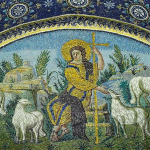
In today’s world, grace is no longer largely viewed as a “commodity” handed out in small doses to the worthy. Instead, it is described as a “flow,” a constant, radiating energy that is as available as sunlight. God is not waiting for us to become perfect before initiating contact. Instead, grace is the proactive force that seeks us out in our imperfection.
For generations, people lived in fear of a God who they felt was waiting for them to sin. This shift to unconditional, flowing love is one that some people still struggle with today. As a Spiritual Director, many of the people I meet with feel they must do something to “earn” God’s love, or to erase the “debt” of their sins. In most cases, they lack an image of God, or have one so intimidating that it is difficult to pray, let alone feel comfortable in sharing their most intimate thoughts. Romans 8:15 tells us:
For you did not receive a spirit of slavery to fall back into fear, but you received a spirit of adoption, through which we cry, “Abba, Father!
The word “Abba” translates to “dad or daddy,” a significantly less intimidating name for God. For those who struggle with that level of comfort with God, this is not unusual. It can be a significant impediment to getting closer to Him. Focusing on prayer, service to others, and spiritual direction may help. If you’re interested in spiritual direction, please feel free to reach out in the comments.
Please share your thoughts about this article in the “Comments” section below.
Stay updated on the latest articles and insights from the column. Subscribe to my newsletter to ensure you receive every new post. Click here to subscribe to the newsletter.
Peace
If you like this article, you might also enjoy:
Redistricting: Do The Maps Really Matter?
The Human Cost: How Mass Deportations Split U.S. Families
Childhood Cancer: The Story of Neveah and Hope











 Ad-Free & Subscriber Log-In