

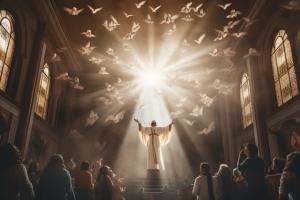
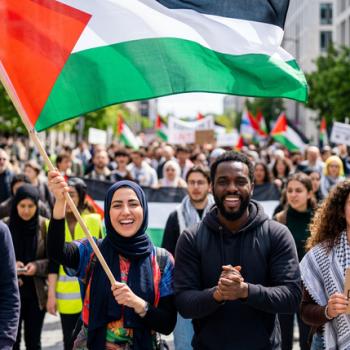
Pentecost is one of the most significant moments in Christian theology. Rooted in Jerusalem during a major Jewish festival, Pentecost unfolds in a setting already rich with cultural diversity. Pilgrims from “every nation under heaven” gathered in one place, bringing with them different languages, customs, and worldviews. The descent of the Holy Spirit did not occur in isolation but in a multilingual, multicultural environment, emphasizing that the message of Christ was never intended for a single region or people.
The readings associated with Pentecost link the Spirit to mission, unity, creation, identity, and renewal. Across all the readings and the commissioning in John’s Gospel, the Spirit emerges as a force that binds the world together while honoring its diversity. Let’s review the readings and their meanings.
Gospel Text –John 20:19-23
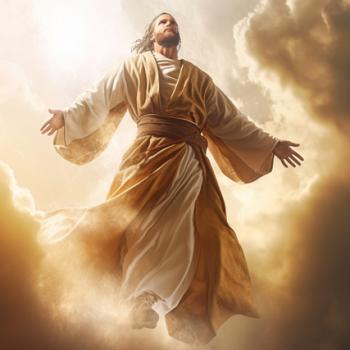
Jesus came and stood in their midst and said to them, “Peace be with you.” When he had said this, he showed them his hands and his side. The disciples rejoiced when they saw the Lord. Jesus said to them again, “Peace be with you. As the Father has sent me, so I send you.” And when he had said this, he breathed on them and said to them, “Receive the Holy Spirit. Whose sins you forgive are forgiven them, and whose sins you retain are retained.”
First Reading –Acts 2:1-11 – The Spirit and Global Mission
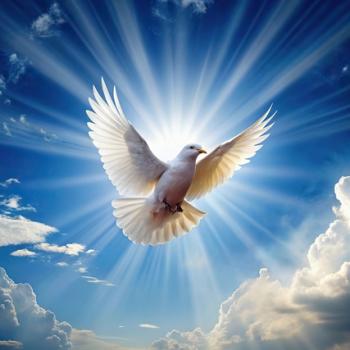
Acts 2 describes the dramatic coming of the Holy Spirit upon the apostles during Pentecost. The signs of wind and fire represent divine power, while the miracle of speaking in different languages allows people from many regions to understand the message. This passage highlights the birth of the Church as a global community. The Holy Spirit empowers communication across boundaries, signaling that the gospel is universal rather than localized. The miracle of language reveals that God meets people where they are, in the language and culture they understand.
Responsorial Psalm – Psalm 104:1, 24, 29-30, 31, 34 – The Spirit and Creation
Psalm 104 is a hymn of praise celebrating God as the Creator and Sustainer of all life. The Spirit is not only active at Pentecost but is the ongoing source of life and renewal in all creation. This connects the event of Pentecost to a broader, universal reality.
Second Reading – 1 Corinthians 12:3b-7, 12-13 – The Spirit and Community
Paul teaches that the Holy Spirit is the source of faith and the giver of diverse spiritual gifts within the Christian community. The Spirit distributes different gifts to individuals for the common good and creates unity through diversity, where individual differences contribute to the strength and mission of the whole community.
Gospel Reading – John 20:19-23 – The Spirit and Mission
In John’s Gospel, the giving of the Spirit occurs in a more intimate setting. The disciples are gathered behind locked doors, isolated by fear. Into this enclosed space, the risen Christ appears and offers peace. He then breathes on them and says, “Receive the Holy Spirit,” commissioning them for mission and granting authority to forgive sins. This act echoes the creation narrative, where God breathes life into humanity. Here, a new creation begins. While Acts depicts a public, global event, John presents a localized moment of transformation. Yet the implications are universal. The mission given to the disciples is not limited to their immediate surroundings; they are sent into the world.
The Catholic View
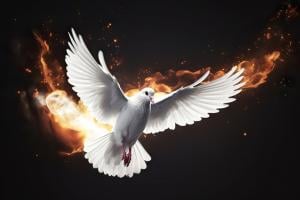
Across these readings, we see several unifying themes:
1. The Universality of the Spirit
From the diversity of languages in Acts to the global scope of creation in Psalm 104, the Spirit is shown to transcend all boundaries. It is not limited by geography, culture, or language.
2. Unity in Diversity
Each passage affirms that diversity is critical to God’s plan. Whether through multiple languages or varied spiritual gifts, difference becomes a source of strength rather than division.
3. Mission and Movement
Pentecost is not a static event. It initiates movement—outward from Jerusalem, outward from closed rooms, and outward into the world. Geography becomes a mission field rather than a limitation.
4. Renewal and New Creation
The Spirit is consistently linked with renewal, from the cycles of nature in Psalm 104 to the new life breathed into the disciples. Pentecost signals a re-creation of the human community.
5. Accessibility of God’s Message
The miracle of language highlights a key truth: God communicates in ways people can understand. The message of salvation is meant for all, regardless of linguistic or cultural background.
Conclusion
Pentecost reveals a powerful vision of a world united not by uniformity but by shared understanding. The Spirit moves across landscapes, languages, and communities, transforming diversity into communion. These readings together invite believers to see the world not as divided territories but as interconnected spaces where the Spirit continues to speak, renew, and unite humanity.
Please share your thoughts or any questions about this article in the “Comments” section below.
Stay updated on the latest articles and insights from the column. Subscribe to my newsletter to ensure you receive every new post. Click here to subscribe to the newsletter.
Peace
If you like this article, you might also enjoy:
Unity and Prayer: Strength in Community Faith
The NYC FY27 Budget Shell Game Exposed
Forced Organ Harvesting in China: A Disturbing Reality





 Ad-Free & Subscriber Log-In