


Haiti – A Country In The Caribbean
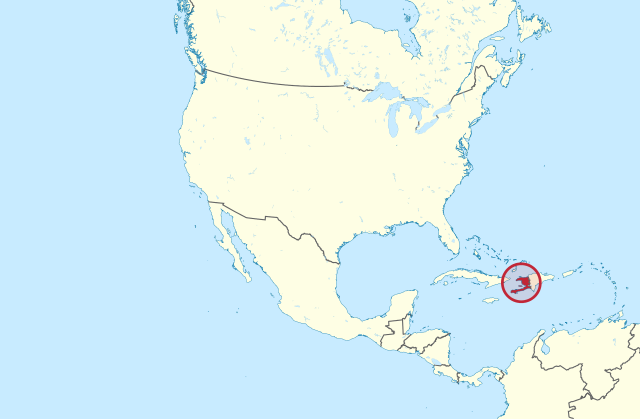
A country in the Caribbean Sea, Haiti would seem more likely to be known as a tourist haven than for violence. Located east of Cuba and Jamaica and south of the Bahamas, it shares the island of Hispaniola with the Dominican Republic. Haiti’s shape, somewhat like a horseshoe, results in an extremely long coastline. The country also offers scenic mountains. In fact, the name “Haiti” comes from the indigenous Taino language and means “land of high mountains.”
Haiti ranks third, after Cuba and the Dominican Republic, in Caribbean countries based on size. It is the most populous country in the Caribbean with over 11.4 million residences as of 2023. Port-au-Prince serves as the country’s capital while also being its largest city.
Trouble In Haiti With Poverty And Violence
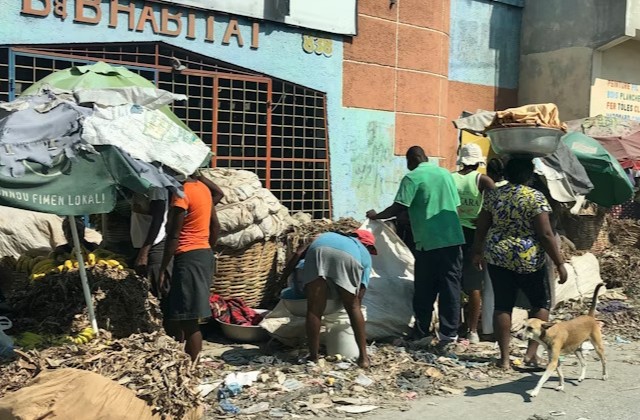
Despite its large size and population compared to other Caribbean nations, Haiti also rates as the poorest Latin American country. Further, the wealth distribution among its citizens is one of the most unequal. Haitians face high unemployment and a lack of opportunity. In addition, substandard living conditions include the lack of running water for about 75% of the country’s households and inadequate housing.
The general discontent in the country created a ripe environment for the rise in and power of armed gangs. Their presence has led to increasing violence. In fact, gangs control most the country’s capital of Port-au-Prince. Kidnappings are commonplace with both children and missionaries included among the targets. From April 2025 to the end of June this year at least 175 kidnappings occurred in Haiti with over one-third of the incidents taking place in the capital. The gangs frequently target hospitals and schools resulting in the displacement of thousands as well as hundreds of thousands of children without education. The country’s sad and scary state hardly encourage tourists to come, weakening the ability to bolster the economy from this industry.
Gang Violence In Haiti Worsens
The existence of gangs anywhere spells trouble. However, the problem grows worse when gangs work together against the authorities. In Haiti. the situation became bleaker in February 2024 when a coalition of gangs formed through the joining of two previously rival alliances. This gang coalition, named Viv Ansanm, or Living Together in Haitian Creole, brought together criminal groups to stand against the national police and the government.
The newly formed coalition brought together two rival gang groups, G9 and GPep. These groups had been fighting for years for control of neighborhoods in Port-au-Prince. This violence negatively impacted Haitian children already struggling in impoverished areas of the country’s capital. Both the US and the UN have imposed sanctions on the leader of G9, a former Haitian police officer named Jimmy “Barbecue” Cherizier, for his involvement in the violence. Further, just this year the US designated Viv Ansanm as a foreign terrorist organization.
Most Recent Violence In Haiti Impacting Children
On August 3rd, heavily armed gunmen stormed a Haitian orphanage caring for 240 children. A once peaceful Port-au-Prince community, the area where the orphanage is located has been under attack from gangs since January. The international charity, Nos Petits Frères et Sœurs, operates the Saint-Hélène orphanage, which provides services including a special needs program for both children and adults.
The early August attack resulted in the kidnapping of eight individuals, including an Irish missionary and a three-year-old child. Gunman held those kidnapped for almost a month before finally releasing them. As a result of the attack, both children and staff from the orphanage have had to be relocated. Accordingly, on top of the trauma of the attack, these Haitian children now face the stress of a sudden move.
History Of Violence Impacting Haitian Children
Sadly, the recent attack on the Haitian orphanage is not an isolated incident. Back in 2021, a gang kidnapped seventeen missionaries, including five children, whom they held for over two months prior to releasing them. Armed gangs view children, even very young ones, as targets. And when not targets, children already dealing with poverty now must endure witnessing violence and death around them.
No easy fix exists, but efforts are being made. At the end of August the US sought UN authorization for a gang suppression force to address violence in Haiti. But gangs result from systemic problems which a suppression force cannot fix. Clearly trouble exists in this world, and it impacts everyone, even little children.
BBC Reports On Gang Violence In Haiti And Its Impacts













 Ad-Free & Subscriber Log-In