


Telemachus – Man Killed For His Words
The names of Roman emperors will ring a bell to those who have studied history. Telemachus, however, is likely an unknown. Rather than a ruler, he was a lowly monk during Roman times. His name, meaning “far-away figether,” aptly fits him, but he did not fight with weapons. Instead, he fought with words against cultural activities inconsistent with his Christian faith.
Little is known about Telemachus’ origin. Historical records indicate he came from the eastern part of the Roman empire. Although not certain, he may have come from Turkey or Egypt. What is certain, however, is how and where Telemachus’ life ended. The monk traveled to Rome where he attended arena games, likely in the Colosseum on January 1, AD 400. Appalled by the senseless and violent taking of human life, he descended to the arena floor, stepped between two gladiators and implored, “In the name of Christ, stop!” The crowd, enraged at the interupption of the games, stoned Telemachus. The monk died on the arena floor, literally killed for his words.
Roman Spector Sports – Killing Events
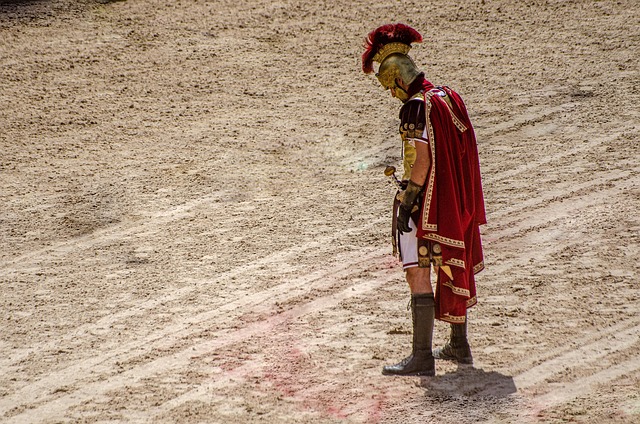
Gladiatorial games arose as part of the funeral rites for wealthy Romans. Initially, these activities were meant to honor the dead with bloodshed and appeease the underworld gods. From this beginning, gladiatorial games grew to become a cornerstone of Roman culture, providing entertainment and displaying the power of the Roman Empire. Death permeated these games as contestants fought for their very lives. Even the name of the games raised the specter of death. Participants were known as gladiators which term drvies from the Latin root word “gladius” meaning sword. Wins gained them much celebrity with Spartacus probably the most well-known thanks to an epic Hollywood movie about him starring Kirk Douglas.
Duels between two gladiators offered only one of the deadly activities provided for spectators. However, they served as the main event, and occurred in the afternoon. Fans worked up to the gladiators facing off by viewing gladiators hunting wild animals such as lions, tigers, and elephants in the morning. Executions held center stage at midday. By the the afternoon’s main event, spectators had already witnessed the shedding of much blood and the loss of life. Thus, monk Telemachus had reached his limit of killing for entertainment by the time the gladiator duels began.
Venue Where Telemachus Killed For His Words
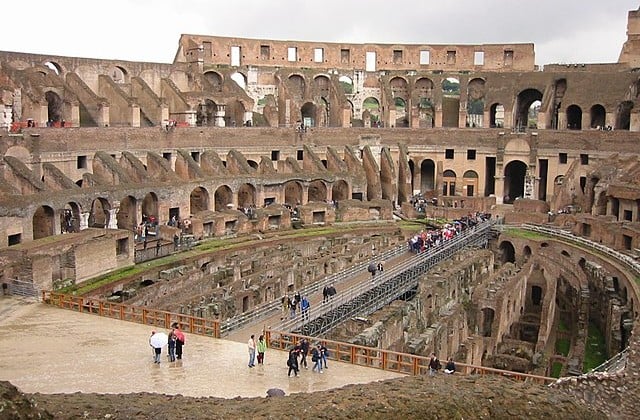
Telemachus being killed for his words was a huge public spectacle, one witnessed by thousands of people. Because of the popularity of gladitorial games, the venue shifted from the Forum, an enomrous rectangular shaped marketplace in the heart of Rome, to the larger Colosseum. This name for this bigger venue sprang from the Greek word “kolossos” meaning large statue or giant. In fact, the Colosseum is the largest ancient amphiteather ever built, holding between 60,000 to 80,000. Tiered seating inside preserved the social stratifcation of Roman society.
Action such as gladiatorial duels took place on the arena floor above which the tiered seating rose. The word “arena” meant sand in Latin. This term fittingly described the setting as sand covered the wooden arena floor to absorb blood. While the material absorbed shed blood, the red color nevertheless stained the sand where it ran.
Death of Telemachus And The Roman Gladiatorial Games
Telemachus being killed for his words led to another death, that of Roman gladiatorial games. When Christian Emperor Honorius learned of the circumstances of the monk’s death, he abolished the games. Previous emperors had made declarations of abolishment without success. This time, however, the ban held and no more such games took place.
Honorius recognized Telemachus as a martyr. Word of the monk’s bold action to preserve life by stepping between two gladiators before thousands of screaming spectators spread. The rise of Christianity in general contributed to the demise of the games as the faith condemned this violence and bloodshed. Nevertheless, the specific story of Telemachus’ death sparked widespread condemnation of the sport leading to its ultimate elimination.
Telemachus Remembered
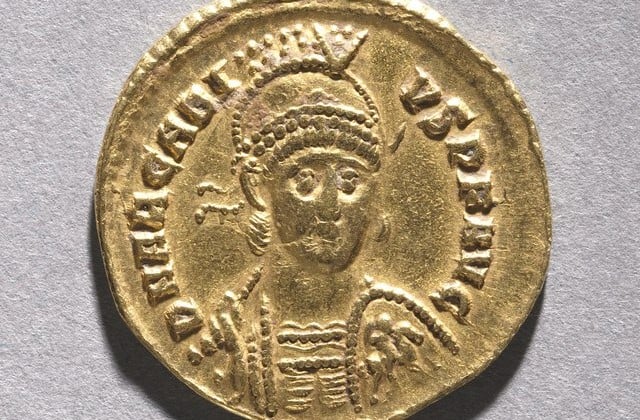
While modern man iis less familiar with Telemachus, writings over time preserved the story of him being killed for his words. Church historian and Syrian bishop Theodoret first related the monk’s story in a 5th century ecclesiatical history book. The story later appeared in a 16th century book of martyrs written by John Foxe. During Queen Victoria’s reign, British poet Alfred Lord Tennyson recounted the monk’s death in verse. And, in modern times, President Ronald Reagan, a former actor, gave an inspiring recitation of the events of Telemachus’ death at the 1984 National Prayer Breakfast in Washington, D.C.

The Story of Santi Telemachus’ Death












 Ad-Free & Subscriber Log-In