

The Ancient History Of Bread
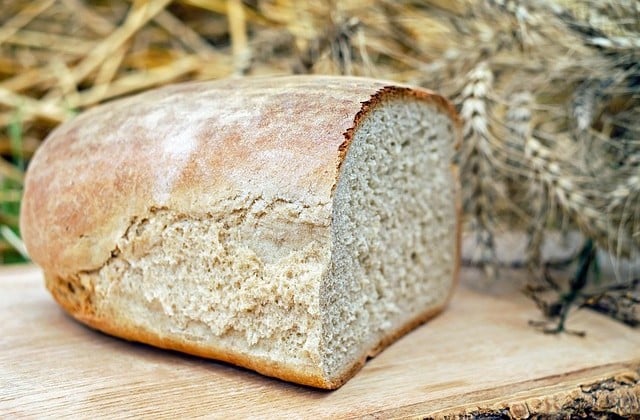
Bread, a staple across the world, has been a major food since prehistoric times. Thus, it is one of the oldest human-made foods. Over the course of history, man has made bread with a variety of ingredients and used various methods to produce it in an assortment of forms. Today we think of bread as a baked edible made from flour, water, and often yeast,
The first appearance of bread came in Neolithic times, about 12,200 years ago. The process likely involved mixing coarsely crushed grain with water to make a dough. Baking took place by laying this dough on heated stones and covering it with hot ashes. Later, the Egyptians learned to allow wheat dough to ferment, with the gases formed allowing bakers to achieve an expanded and lighter loaf. The enterprising Egyptians even developed baking ovens. In fact, the degree of refinement in baking was seen as a sign of civilization to the ancient Egyptians, Greeks, and Romans.
Early loaves of bread hardly resemble the bread purchased in stores today. They came in various shapes rather than even loaves. To eat such loaves, people would tear off chunks or pieces, giving rise to the expression “break bread together.” This method of eating bread continued until the 20th century.
Things changed, however, with the development of sliced bread in 1928. Otto Frederick Rohwedder, a Missouri jeweler by profession but an inventor at heart, receives credit for the invention of sliced bread. The American baking company that produced Wonder Bread was one of the first companies to sell sliced bread nationwide by 1930. Although at first viewed as a novelty, sliced bread quickly became standard as its convenience for consumers became known. Even though sliced bread was convenient, it was still not as convenient as manna – God’s wonder bread.
Leaving Egypt Leads To Provision Of Manna – God’s Wonder Bread
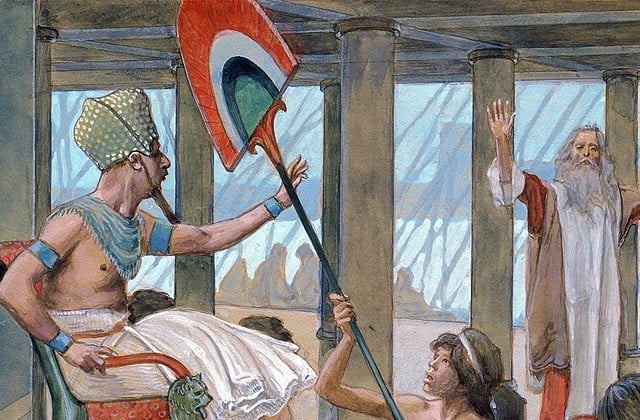
Moses leading God’s people out of Egypt set the scene for a new and very special type of bread, manna – God’s wonder bread. Exodus 16:1 relates that the travelers came into the Wilderness of Sin, also called the Desert of Sin, on the fifteenth day of Iyar, the second month after leaving Egypt. All the Israelites groaned and complained to Moses and Aaron that they would die of hunger there. In response, God told Moses He would rain down bread from heaven each day for the people to gather. And so He did, providing this food for the Israelites for 40 years until they came to the border of Canaan, the Promised Land.
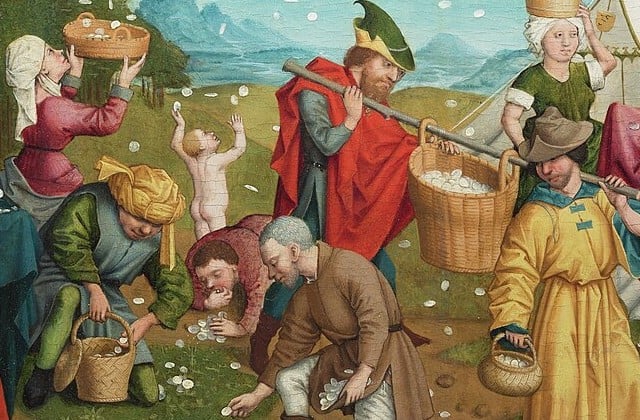
According to Numbers 11: 9, the manna came down each night as the dew settled on the Israelites’ camp. Per Moses’ instructions from God, an omer (about two liters) for each person in their tent was gathered each day with a double portion collected on the sixth day. No collection occurred on the seventh day because no manna appeared then. God’s provision was daily, and the people were not to keep what they collected one day until the next morning except for the sabbath. If they did, they found it full of maggots and smelly.
What Is Manna – God’s Wonder Bread?
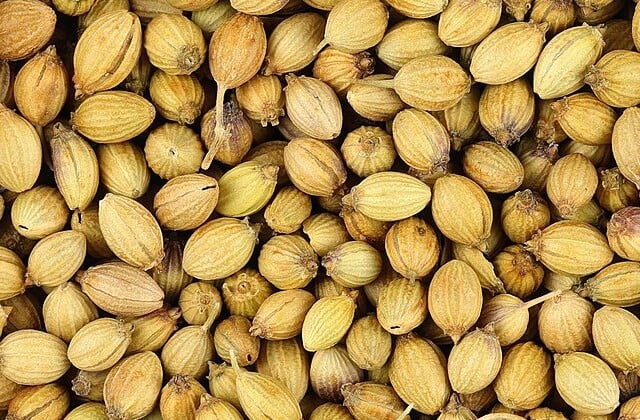
The Israelites had no idea what they found on the ground for them to collect as food. In fact, manna, God’s wonder bread, is said to be so named because the people asked “what?” when they saw it. “Mon” was the Egyptian word for “what.” Exodus 16:35 describes the manna as tasting like honey. Numbers 11:7 adds that the manna looked like resin or bdellium as the King James Version says. Further, it appeared as thin flakes like frost on the desert floor. The size of the manna was equivalent to that of coriander seeds, and it bore a white color similar to a white crystal.
While some of this description may mean little to people today, the Israelites grasped its significance. Coriander, for example, came from a plant indigenous to their area of the world. The seed provided a spice well known to and valued by the people. Bdellium comes from a very ancient Hebrew word associated with a product from the land of Havilah. The Bible mentions Havilah several times, beginning with the book of Genesis, and the place is believed to be associated with the Garden of Eden and the descendants of Noah. Exactly what bdellium was remains a subject of speculation. Some believe it was an aromatic gum or resin from the false myrrh tree. Modern scholars widely believe bdellium is the crystallized honeydew of certain insects which rapidly dries in the desert to become a sticky solid which turns white.
Use Of Manna – God’s Wonder Bread
Once gathered, what did the Israelites do with the manna? Bible verses indicate the people used it as a raw ingredient. They ground the manna with a hand mill or crushed it with a mortar. Next, they formed it into loaves, which were then baked. The finished product tasted like something made with olive oil. So, God daily provided His people with what they needed for food, but some elbow grease on their part was required in both gathering and preparation. It was a team effort.
Today Christians don’t receive manna from heaven, but they have received the Bread of Life from heaven in the form of Jesus. In John 6:32-33 Jesus states that His Father gives the true bread from heaven who comes down and gives life to the world. Now it is a man, not manna, which can sustain life for God’s people. But just like the manna in the wilderness, we have to make an effort to obtain it. They gathered manna, but today people merely need to accept the man, Jesus.
Manna – God’s Food From Heaven












 Ad-Free & Subscriber Log-In