

What happens when we die? Some variation of that question has been on my mind lately. Nature has its own cycles, and our lives also have their own rhythms. Right now, I’m at the end of what I call my personal “death season.” Many of my loved ones chose the first quarter of the year to die. Not all of them passed neatly between January 1 and March 31, but enough did that this time of year always feels heavy. And with that heaviness comes the question: What happens when we die?
The honest answer is that I don’t know—and I don’t believe anyone truly does. Many faiths teach some version of an afterlife, but belief and knowledge are not the same thing. Still, the question has been louder than usual because of a recent, unexpected death in my family. Even though this family member was Christian, I offered to perform a version of last rites or an end‑of‑life blessing for her. Circumstances prevented it from happening, but preparing for the ceremony forced me to reconfront my own beliefs in a way I hadn’t before.
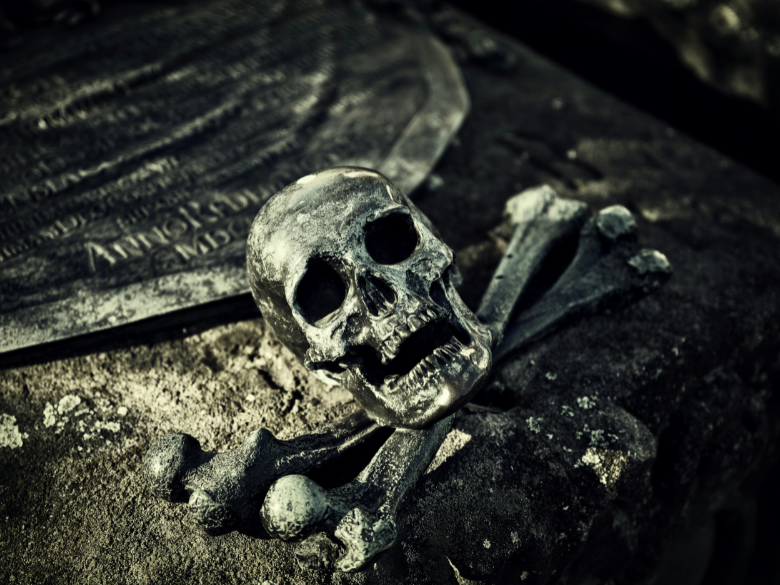
As I read about last rites and talked with a friend who is a UU minister, my biggest concern wasn’t family pushback—they had given me their blessing. My concern was internal. How could I pray for her soul to be commended to God in Heaven when:
– I have a strong dislike for Yahweh
– I don’t believe in Heaven?
I Believe Differently
My own beliefs about the afterlife are unusual even within Pagan circles. Many Pagans believe we go to the afterlife associated with our tradition or the culture we draw from. That never sat right with me. I began my Pagan path with the Egyptian pantheon, and based on my station in life, the idea of reliving my life in the afterlife was… unappealing. I want a break, not another shift.
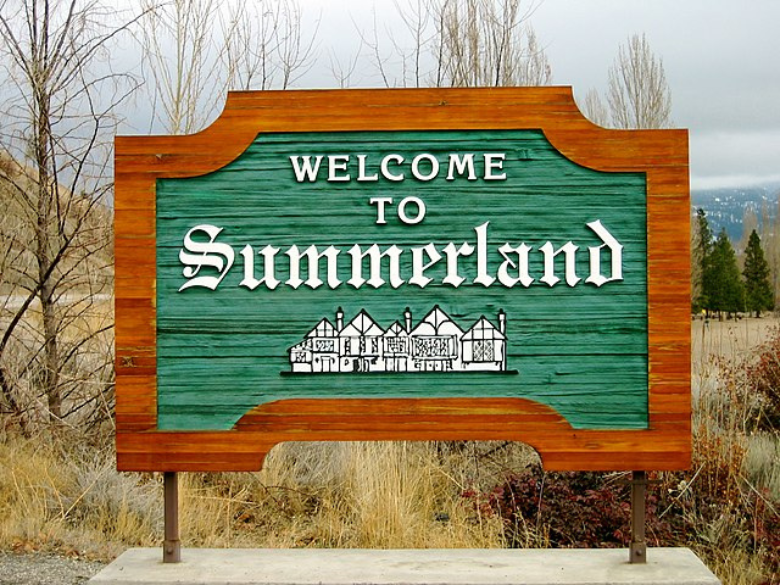
Wiccans and witches often speak of the Summerland—a Celtic‑inspired realm of rest and rejuvenation. While I appreciate the freedom and joy of that idea, I’m an indoor Pagan. I’m not convinced my soul wants to wander a sunlit meadow for eternity. Norse mythology offers multiple afterlife destinations, but where you end up depends on how you lived, how you died, and the whims of the gods. None of that resonates with me, and Valhalla is certainly not in my cards.
Learning from Spirits
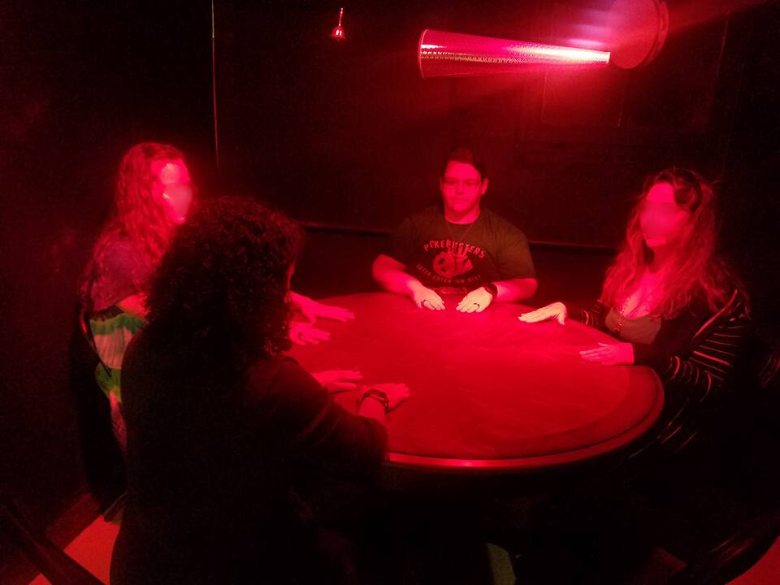
My personal beliefs were shaped early on by a friend and mentor, Kalila Smith, a psychic medium whose abilities deepened after the death of her daughter. I attended several séances she led, often with a trance channeler present. During those sessions, Kalila’s daughter would come through and speak with us. We were encouraged to ask the spirit questions and many of our questions centered on the afterlife.
I don’t believe everything a psychic medium tells me. As a tarot reader and fledgling channeler myself, I know we can get things wrong. Messages can be symbolic, muddled, or simply misinterpreted. I’ve been told things that were factually incorrect, like the location of a painting that was supposedly wrapped in a blanket in an attic but was actually sitting unwrapped in a hall closet. So I always balance openness with skepticism. Vet your psychics, but don’t be rude to them – unless they are frauds.
I share this because it explains why I trust what Kalila’s daughter told us. Though technically an adult when she died, she had Down Syndrome and the innocence and straightforwardness of a child. In the ten-plus years I’ve known Kalila, I’ve never doubted that the spirit who appeared at those séances was truly her daughter. If anything, her innocence felt like its own kind of spiritual protection.
A Spirit Told Me
Through the trance channeler, she described the afterlife as a different plane of existence. When you die, you’re greeted by loved ones, including pets. Your home or space there can look however you want it to. After arriving, you undergo a life review—not a divine judgment, but more of a “did you learn what you needed to learn?” moment. If you were a bad person, she said, you go to “time out” until you’re truly sorry. That explanation made sense coming from her. What “time out” actually means, I don’t know. Maybe it’s regret. Perhaps it’s something like Purgatory. Or it’s something else entirely. I’m in no rush to find out.
She also said that spirits have jobs on this plane and that she had seen Jesus—describing him as a column or ball of light that was hard to look at.
Her descriptions align closely with Spiritualist beliefs about the afterlife. Spiritualism does not hold a universally held tenet within the movement. Many Spiritualists believe in a continuous, progressive afterlife without returning to Earth. But there are some Spiritualist, particularly more modern ones who have more of a New Age bent, that do believe in reincarnation.
Other than my belief in reincarnation, my views of the afterlife line up very neatly with what Spiritualists believe. As a Pagan I do not believe that God/Yahweh is the literal or figurative heart of the afterlife. Who controls the afterlife and where the gods fit into it are just questions I will have to learn the answer to when I die.
Where Do We All Go?
So how could I pray for my family member’s soul to go to Yahweh in Heaven when I don’t believe in that Heaven? Here’s how I reconciled it: Yahweh exists, whether I like him or not. Christianity has been practiced long enough, with enough devotion, to manifest Yahweh and Heaven into spiritual reality even if it did not exist before. Perhaps Heaven is simply one part of the larger afterlife plane. Maybe we go where we expect to go.
Are all these afterlife destinations on the same plane? Are they separate but connected? Is the “personal space” she described the same as our astral temples? These are questions the living can’t answer. Paganism gives us the freedom to hold our own opinions about existential mysteries. Other religions have source texts the tell them what to expect; we have intuition, experience, and myth.
Is my Southern Baptist mother in Heaven or on the spiritual astral plane? Based on how often she visits, I might joke she’s still here on Earth. But I believe she’s on that spiritual plane, based on our interactions over the years.
So what happens when we die? I still don’t know. I have opinions—clearly. But my hope is that I can approach my own death with the same adventurous spirit Timothy Leary did. He treated life and death as experiences to be explored. His last words made the afterlife sound like an adventure. And honestly, that’s an adventure I hope to take someday too—just not anytime soon.









 Ad-Free & Subscriber Log-In