

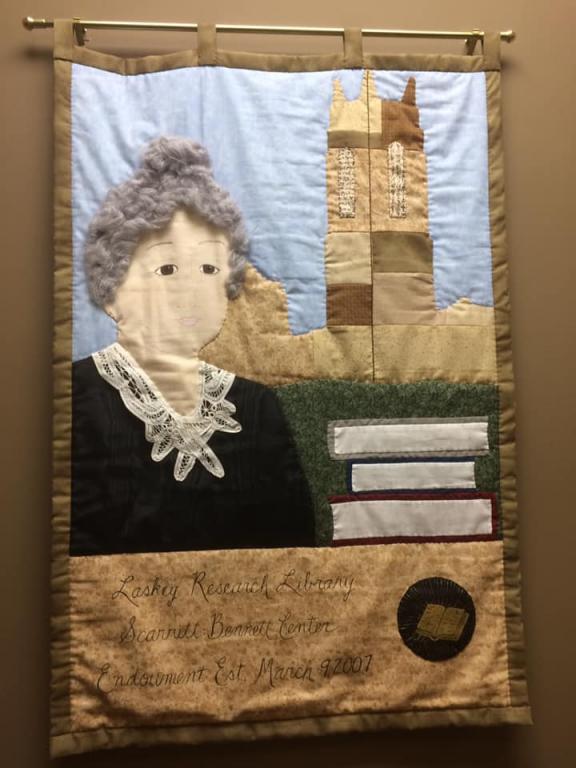
It so happened that I was sitting in a room in the Scarritt-Bennett Center in Nashville when I read the article in the Atlantic about the decline in usage of books in Yale Univerity’s libraries. I had reason to be in Nashville anyway, and thought I should spend the day at Vanderbilt University’s library. I had no idea when I booked my fantastically affordable room on the amazingly beautiful campus of Scarritt-Bennett that I was staying at a location that has a highly specialized library focusing in particular on women in Christianity. They had several items that I would otherwise have needed to interlibrary loan as I work on my book, What Jesus Learned From Women.
The truth is that I can quite often make do with a Google Books preview, depending on which sections of a book are relevant to my needs. Sometimes I can find a copy in some Eastern European repository of digital books that I will tell you more about privately if you really want to know and don’t already. When those options and local libraries (my university, the neighboring Christian Theological Seminary, and our fantastic Indianapolis Public Library) all fail to offer what I need, options remain. Often the book is obtainable through PALShare, PALNI’s effort to increase collaboration while allowing individual institutions to reduce duplication. It is like interlibrary loan but local, faster, and typically with longer loan periods. PALNI is the Private Academic Library Network of Indiana (they are the ones who gave a prize to my video “Viva La Library”). Interlibrary loan is often an option. I have even received digital copies of an out of print book from the 19th century via ILL, even while thinking that it was a real long shot when I submitted the request.
And so it is undoubtedly true that print books are circulating less frequently. But are they nevertheless being consulted? That is hard to say. Perhaps the only metric that might tell us would be academic publications and student assignments, since digital copies of a licit or illicit nature will both equally fail to register in most accountings.
That’s at least slightly different than the situation in which library patrons of a more traditional sort might have (or might still) consult a book and then put it back on the shelf, where no one will register its circulation or use, and where it might thus be perceived as of no interest to anyone if this happens consistently.
Ultimately we’re in uncharted waters. But the transmission of stories and other forms of compositions has faced new formats and media before. In some ways things are better than they ever have been. And yet I’m still glad to have had the chance to go to Nashville and spend time in the presence of some physical books that I don’t have access to in Indianapolis and which relate to things that I am writing.
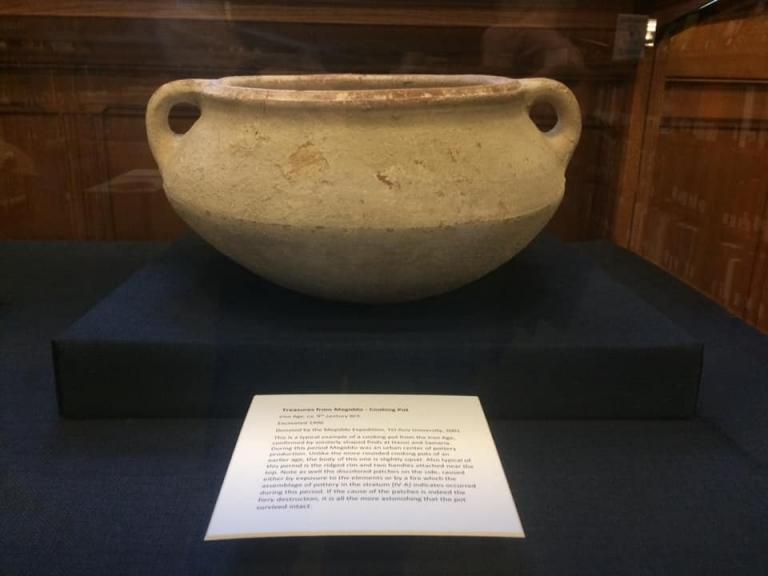
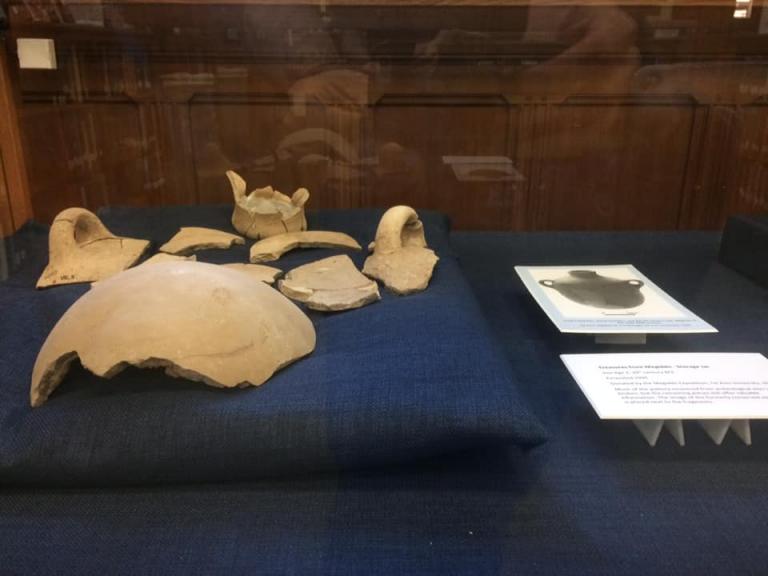
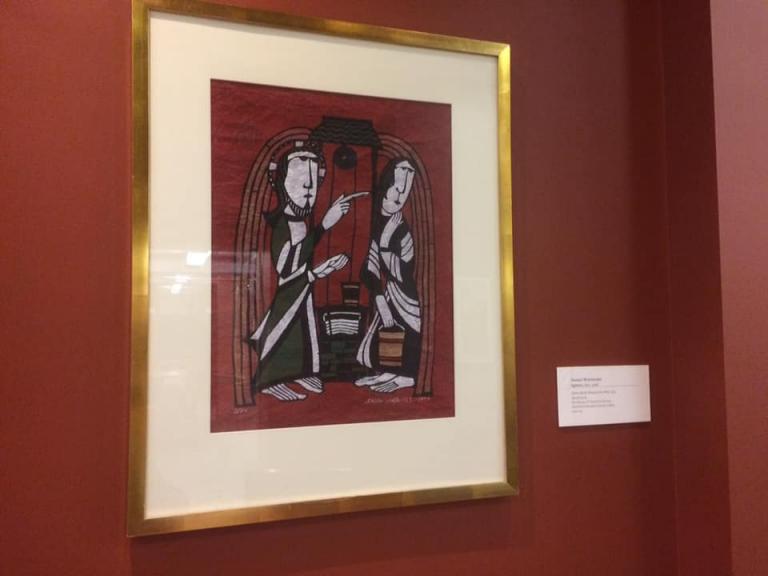
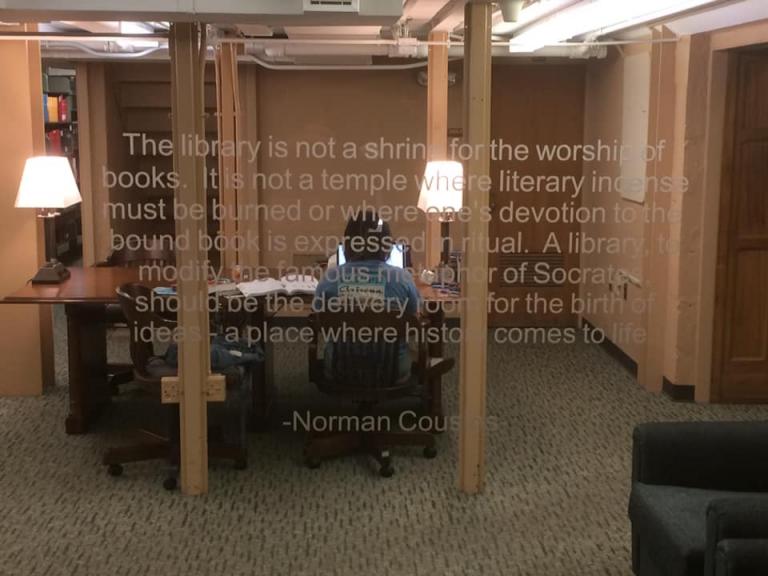
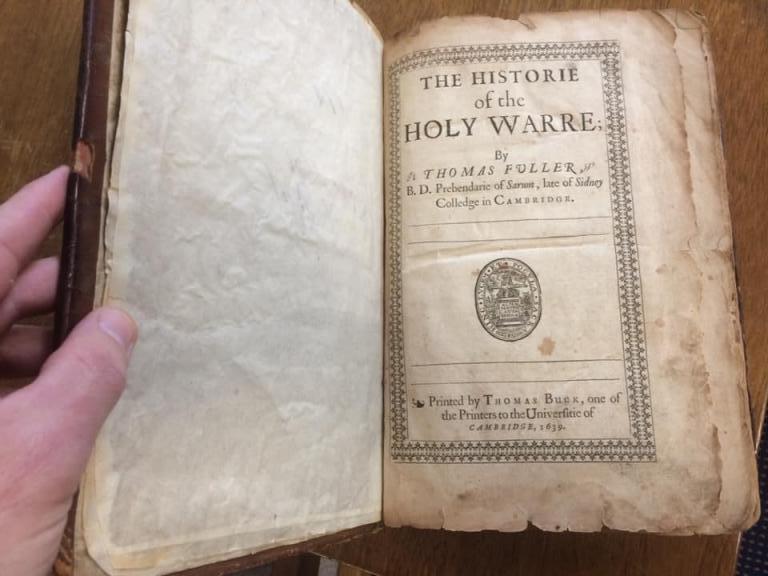
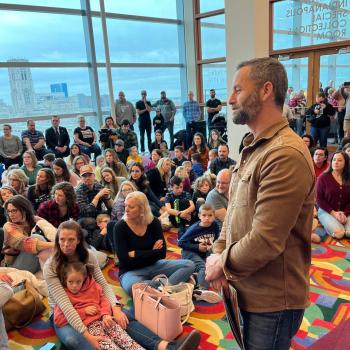
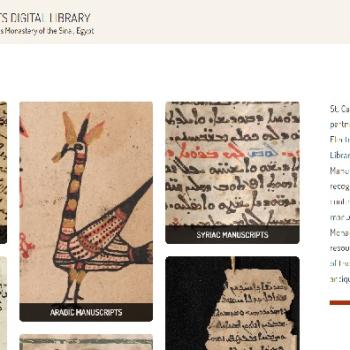
Meanwhile, here are some things you wouldn’t see in the pre-digital era unless you went to the Vanderbilt Divinity Library and the Scarritt-Bennett Center in Nashville, but now thanks to the digital era, you can see wherever you’re reading this.










 Ad-Free & Subscriber Log-In