

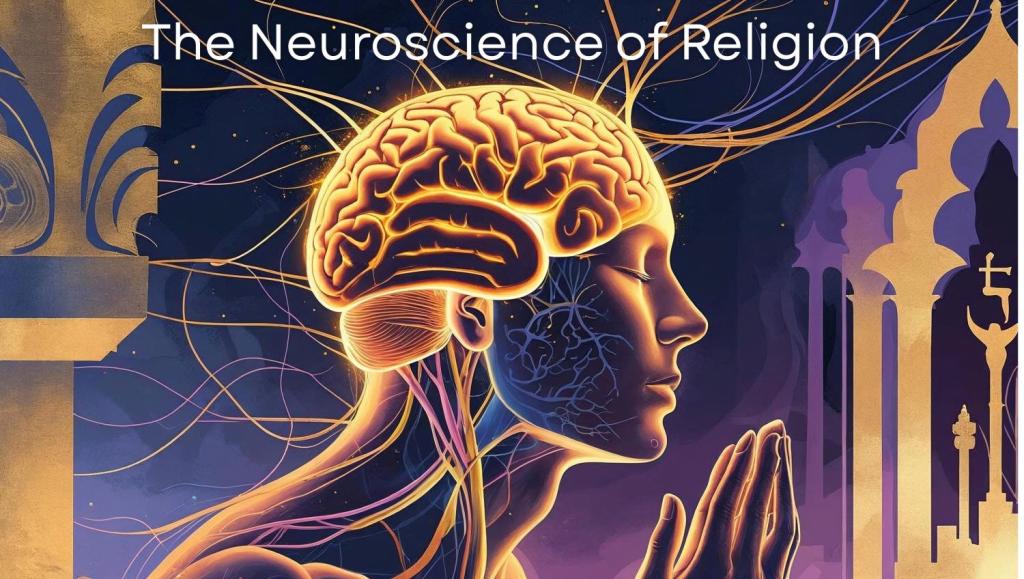
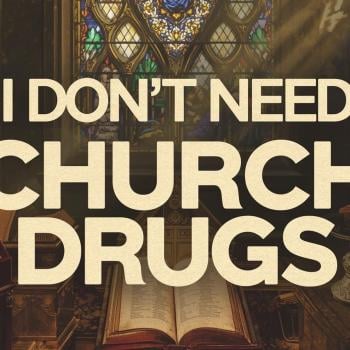
The Real Neuroscience of Religion – Doing Drugs in Church
After serving as a pastor for 20 years and reflecting on those services, it seems that there is a process we might not fully understand, but one that gains momentum, produces results, and keeps drawing people back. From attending and leading churches for several decades, I have observed that most services are designed to influence our emotions subtly. The movement of the music is carefully timed and choreographed to achieve the desired effect.
And why wouldn’t they? They have a budget to meet, boards to satisfy, and a missional mandate they believe is from God himself. I don’t think pastors and religious organizations start with evil intentions. But the pressure to keep a crowd motivated, coming back, and attracting new people requires an intentional process and dedicated effort.
So even though most church members and even the pastors may not fully understand what’s going on, there is a process that keeps people coming—not just once but repeatedly. So, at least on one level, they understand the impact they have on people.
Let’s Be Honest about Chemicals
In the 1980s, Nancy Reagan encouraged us to say no to drugs, but some chemicals are produced inside our bodies, not ingested. When we get excited at concerts or we feel love and acceptance from our relationships, our bodies release pleasurable chemicals. Other chemicals occur naturally to protect us, like stress hormones. We often even experience these types of chemicals in church.[1]
Our cortisol levels tend to be lower when we pray, meditate, or even just breathe. Cortisol is the stress hormone often linked to belly fat. Elevated cortisol levels also contribute to high blood pressure, diabetes, heart disease, anxiety, depression, and a weakened immune system. Chronic stress levels decline during certain church activities, though they can also be elevated during other parts of the experience. Prolonged high cortisol levels from chronic stress can harm the brain, raise the risk of heart problems, and weaken the immune system.
My main concern with religious practices and this chemical is that church services now seem designed to trigger this stress hormone intentionally.
We might call it conviction, accountability, or rebuke. Still, sometimes these practices increase our cortisol levels and then quickly lead us to use things like prayer to bring us back down, reducing the cortisol again. My issue is that these chemicals are meant to protect us from real danger and shouldn’t be used as tools to dysregulate us, so we feel regulated shortly afterward. The damage is still done, even if we feel better after leaving the church.
It’s almost like someone punches us in the arm, then rubs it to make it feel better, and afterward looks to us for approval.
What about serotonin and dopamine? Practices like group singing, prayer, and worship trigger the release of this “feel-good” hormone that creates feelings of happiness and well-being. The same neurotransmitters are also activated during other pleasurable experiences. They are released whenever we feel good, even from harmful activities like overeating, using drugs, and taking risks.
Chemicals motivate us to keep coming back because we want to feel that high. Even if it is just the high of righteousness from attending religious services, we experience these pleasurable hormones and crave them again, so we return, keep eating, or use more of what produces that feeling.
Someone once said, “Religion is the opiate of the masses.” We rely on these chemicals to motivate us to get our next meal, seek safety, and enjoy life. However, in my opinion, religion often creates a high and a co-dependency where we feel like we are forever “chasing the dragon” of our learned co-dependence and our addiction to the chemical high.
Religious practices are often like the donut I just ate—more than anything, they are not truly eternal or transformational. The programmed response works until Monday (as pastors often admit), when we start planning when our next fix will happen as the chemical wears off. Much of the harm caused by the church may mainly come from those seeking a rush and overstepping boundaries for the sake of the “feeling” instead of commitment to anything noble. The leader seeks the rush of power and admiration, the people want acceptance, and many turn to harmful shortcuts to feel what they think they once felt the first time they misbehaved or felt the effect of the drug.
Oxytocin, the “love and bonding” hormone, can promote feelings of connection, trust, and safety when we share experiences with others. However, studies indicate that oxytocin’s positive social effects are mainly aimed at those within the “in-group,” and oxytocin might even foster hostility toward people seen as “outsiders.”[2]
From my understanding, these chemicals are highly connected to our need for connection. We are biologically wired to seek attachment and connection with other humans for protection, safety, and mental well-being. Children without connection often face many challenges in life, including trauma that remains hidden because there wasn’t a meaningful connection with the caregiver. So, we need to come together, but I don’t think it should be in a contrived way that causes other types of harm.
I can attest that religion often promotes superficial communities. I have genuine neighbors and a local community, much like I have relationships and friendships with people I naturally meet every day. But when we try to build a community, mostly based on people similar to us and with whom we want to be, it becomes very shallow and forced. It’s like when my boss said, “We’re a family here,” and I clenched my jaw to resist snickering and calling him a liar. We are hardworking and inventive, and we always aim to “build a better mousetrap,” but creating fake communities highlights the fact that we shouldn’t be trapping people anyway.
The practice of Trunk or Treat illustrates this well. Churches draw people out of their usual communities, claiming it’s for safety and to create a community experience that definitely makes us feel loved, but only during the event. The reliance on this grows the next year when we allow clergy to organize our experiences and control this dependency. We pay for the entertainment and activities, but this reliance can prevent our long-term growth and sometimes result in the wrong kinds of benefits.
The Trap of Triggers
The word trigger may be overused, but triggers serve a very valuable survival function, grounded in information stored in our brain’s limbic system. When stimuli we experience is linked to past events, they can alert us to danger and activate our fight-or-flight responses.[3] For example, when I hear limbs breaking overhead, I instantly duck, cover my head, and move away from the sound. This reaction happens faster than I could consciously think about it. It’s a reflex, not a deliberate decision.
From my 20 years of ministry, I have seen how often religious practices can trigger our bodies into a fight, flight, freeze, or fawn response. The beginning of the service is comforting, inviting me to trust the group, its doctrines, and the established leader. It is choreographed and rehearsed to produce this effect. But then, something else happens.
At some point during the program, usually in the pastor’s or priest’s message, they create a crisis for us. With skilled musicians and vocalists, it can even be achieved through music and emotional lyrics. We were feeling warm feelings of love and belonging, and suddenly, we experienced what felt like danger, anxiety, or deep sadness because of what happened on the stage.
The sermon is meant to create a crisis for us that may or may not be connected to a relevant idea or common problems we all face. Like many other things, including successful movies, we need to be presented with a conflict or challenge, then the hero steps in, finds the solution, defeats the beast, or rescues someone (sometimes all in the same movie). This even happens in spiritual counseling.
But when this happens in church, we are never the hero; we are the ones with the problem. So, once we become dysregulated by this manufactured crisis, the hero then claims a breakthrough for us, which usually means regulating our nervous system. Our heart rate drops, and we feel much better.
I don’t mind being manipulated by a movie this way because it’s entertainment, and I know it’s not real. But the pastors and churches know, to some extent, what they’re doing. They want you to feel bad about yourself so they can make you feel better. This creates a co-dependency where we need someone to excite us, tell us how bad we are, and then tell us what to do about it. It’s the spiritual assumption that we must be “broken” first to be whole.
This now seems like a contradiction that expresses itself as manipulation. I felt good because of what you did, then I felt bad because of what you said, and now you want credit for yourself or God for a situation you rehearsed and practiced and knew what the outcome would be. Seems like a sophisticated snake oil experience where it was mainly about the performance (salesmanship) rather than anything meaningful or eternal.
For most of the audience, this looks like a breakthrough happening every week. We might even say that “God showed up,” but we shouldn’t confuse the dopamine hit with the spirit, and it’s not a breakthrough when the whole thing is planned and can be easily explained by neuroscience.
When we rehabilitate ourselves from the endless cycles of religious addiction, we can genuinely pursue a healing and a flourishing journey.
Be where you are. Be who you are. Be at peace!
Karl Forehand
[1] https://pmc.ncbi.nlm.nih.gov/articles/PMC3190564/
[2] https://www.sciencedirect.com/science/article/pii/S0306453013002369
[3] https://www.sciencedirect.com/science/article/abs/pii/B9780128009512000376
Learn to be Where You Are (Presence)
Learn to be Who You Are (Authenticity)
Finding Regulating and Somatic Healing
Are you genuinely committed to deconstruction and seeking more profound answers?
If that’s the case, this book was created for you. As a former pastor, I made the mistake of deconstructing a bit and then trying to start something new, as I was trained to do. The problem with that approach is that I wasn’t ready to begin something new.

I hadn’t delved deeply enough or asked enough questions. The first stage of deconstruction typically includes assessing our beliefs regarding hell and the afterlife, supporting queer individuals and women in their fight for equality, and achieving a better understanding of racism and privilege.
Many people in deconstruction communities expend significant effort criticizing Evangelicals and attempting to gain a following. While I believe they deserve intense criticism, this strategy fails to effectively tackle the problem because they generally don’t listen to us!
Our tendency to punish our former organizations sometimes overlooks the challenging process of healing and growth. It is the same trap we fell into in our former associations.

Campfires occupy a special spot in the mosaic of history. They act as communal hubs across different cultures and faiths. The campfire’s circular design fosters equal participation within the collective group. The flames at the center draw our focus and encourage face-to-face interactions as we exchange experiences, wisdom, and insights about the world beyond. It is where legendary myths and tales are born.
Order Now – Study Questions in each chapter!
This book is named Campfires in the Desert as it stems from nearly 400 discussions we held with individuals on our podcast, The Desert Sanctuary, and our aspiration to improve.
Available now!
Thanks for considering us, autographed copies are $20
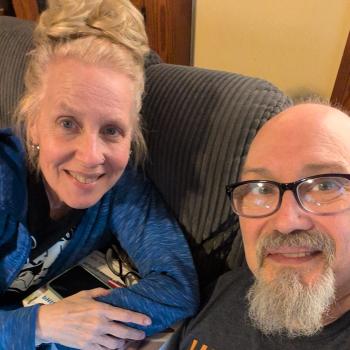
Karl Forehand Campfires in the Desert – A Soft Book Release. Karl Forehand is a former pastor, podcaster, and award-winning author. His books include Out into the Desert, Leaning Forward, Apparent Faith: What Fatherhood Taught Me About the Father’s Heart, The Tea Shop, and Being: A Journey Toward Presence and Authenticity. He is the creator of The Desert Sanctuary podcast and community. He has been married to his wife Laura for 35 years and has one dog named Winston. His three children are grown and are beginning to multiply! You can read more about the author here.














 Ad-Free & Subscriber Log-In