

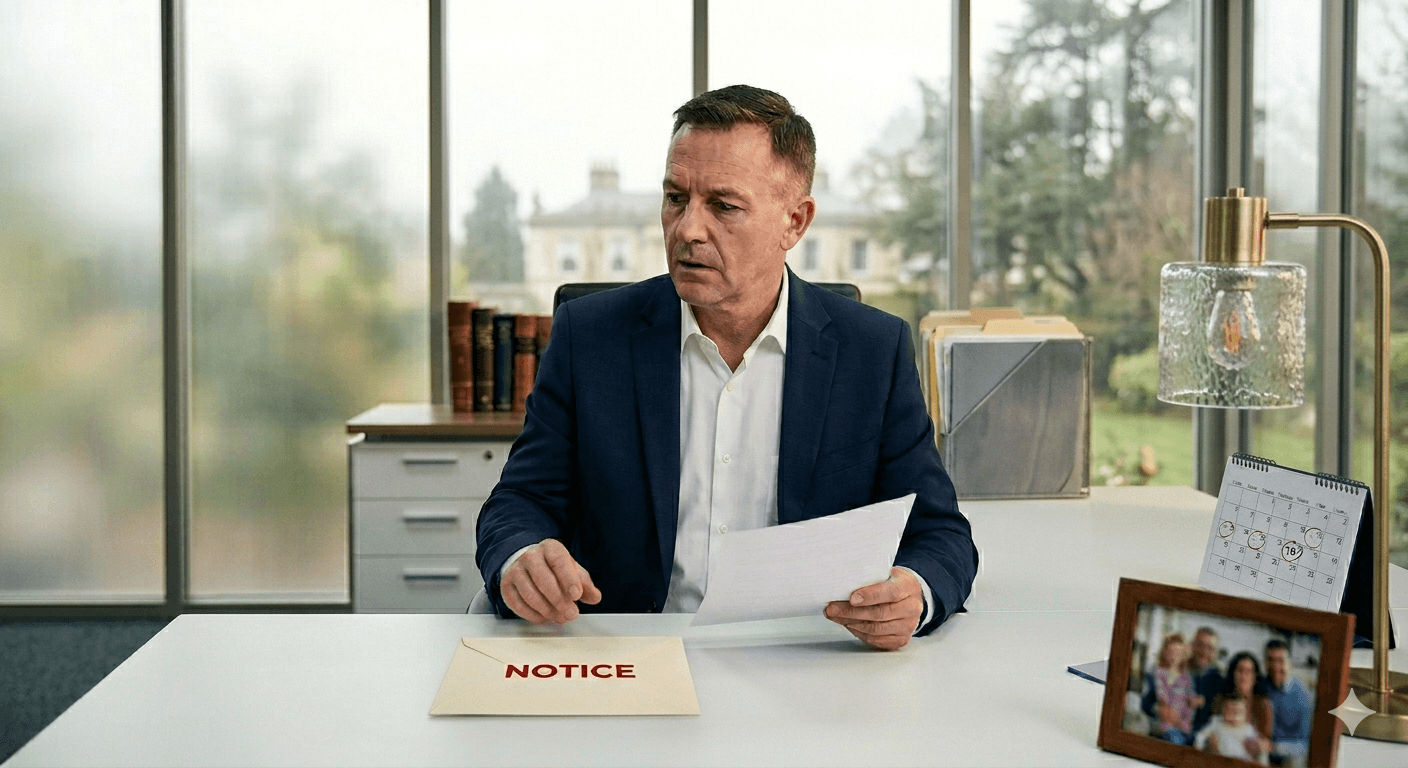
What would it mean to approach death with acceptance, openness, and courage? To see the process of death as a necessary part of life, not its enemy? ~Liz Bucar, Beyond Wellness
What a terminal diagnosis can teach us about life.
I once experienced my own death—or I at least imagined I did. It happened many years ago, when I was in my 30s, and living in Houston. I had come down with a bad case of the flu and stayed home from work, which was a rarity for me. At the time, I was single and living in a small, sparsely furnished one-bedroom apartment.
On this specific day, my symptoms began to worsen and, in a fever-induced haze, my mind began to venture down a dark trail. I imagined myself getting sicker and sicker until I reached the door of death—and I then entered it. I envisioned the news reaching my parents, my sisters and brothers, my long-distance girlfriend. I felt their pain to the point tears began rolling down my cheeks and I broke out into a full sob.
In a few minutes the crying stopped, and I realized something profound: I was okay with my own death. A kind of mysterious reassurance had come over me, the sense that death was not to be feared. It was the end of a chapter, but not the book that is my life. What happened after death? At the time, I couldn’t tell you, though I think I have a better idea now.
My perspective on death changed when I became a dad.
Before I was married and my wife and I had a child, I can recall talking with a young mom I used to work with, a writer who also served as my first advertising mentor. Her name was Rayna and she too had learned not to fear death—though she pointedly told me all that changed when she had her first child.
At the time, it was something I couldn’t relate to. But of course, all that changes when you have a child of your own and your world is no longer just about you. Now that my daughter is in her mid-20s, I can tell you that feeling hasn’t changed much. Is there ever a time you decide there’s no more wisdom to pass along to your child?
I started thinking about this when I read about Ben Sasse.
Have you ever heard of Sasse? He’s a former Senator from Nebraska who went on to become president of the University of Florida. He’s 54 years old and he’s dying of cancer. Stage 4 pancreatic cancer that has invaded other parts of his body. Despite brutally intense treatments at two of the nation’s top hospitals, he has, at best, a few months to live.
Ben Sasse is a man of character. I recall him being one of the first Republicans to question the integrity of the man who again sits in the White House. He is also deeply religious. Sasse was recently interviewed by the New York Times and I thought his ideas were worth repeating. Starting with this take on his situation:
Death is terrible. We should never sugarcoat it. It is not how things are meant to be. But it is great that death can be called the final enemy. It’s an enemy, but it’s a final enemy, and there will then be no more tears. I believe in the Resurrection, and I believe in a restoration of this world. So, I did not feel great fear about my death.
In that last sentence, you’ll note that Sasse said he “did not” feel fear about his death (past tense), instead of “do not” feel fear (present tense). It’s apparent he has already internalized his impending demise, dealt with it mentally and spiritually. When asked if he would have done anything differently in his life, he shared these thoughts:
- “I would treat Sabbaths differently — and especially digital intrusions into the Sabbath.”
- “Dinnertime is precious. Man, lock up your devices and keep them away from the table and prioritize that time.”
- “There is a limit to how many (work) trips a month are really worth it. I lived a road warrior life for a long time. I took way, way, way, way too many trips.”
He wishes he had prioritized his life better, spent more time with his family, though he’s addressing that now. He says he feels “a real heaviness” about leaving his children who are 14, 22, and 24. He regrets he will likely not be able to walk his two daughters down the aisle when they marry. And despite it all, his head is in a good place. In his words:
I’ve continued to feel a peace about the fact that death is something that we should hate. We should call it a wicked thief. And yet, it’s pretty good that you pass through the veil of tears one time and then there will be no more tears, there will be no more cancer.
He is thankful that he gets to “repent every day of both my sins of omission and commission.” He actually sees the suffering he endures daily as a benefit. It “removes the unimportant, so only the important things and people are left…and I’m grateful for it.”
Another story about death at a relatively young age.
Several months ago, The New York Times told the tale of a different public figure facing imminent death. A reporter interviewed the writer Jonathan Clements, 61 years of age, who for almost two decades wrote a personal finance column for The Wall Street Journal. He later founded the financial website Humble Dollar. As told in The Times:
In May, he saw a doctor about some balance issues. Two days later, he received a cancer diagnosis. Scans revealed a golf-ball-size tumor on his lung, and the disease has spread to his brain, his liver and elsewhere. He has no more than 12 months left to live.
Only he didn’t have 12 months left. Clements, who was battling a rare form of terminal lung cancer, died last September at the age of 62. He survived a little over three months after I read his story. He was married, had two children, and spent his final months “decluttering” his financial life—closing credit cards, consolidating bank accounts, simplifying his investments so his wife and children wouldn’t be burdened.
He wrote a final post titled “Farewell Friends” which was published just after his death. In it, he asked his readers not to be sad, stating: “I’ve had a life filled with love, great experiences and wonderful career opportunities. Despite my demise at a relatively young age, I consider myself beyond fortunate.” He closed the column with these words:
I faced the final months not with sorrow, but with great gratitude. I had spent almost my entire adult life doing what I love and surrounded by those that I love. Who could ask for more?
Sometimes nearing death offers us important lessons about life.
Clements and Sasse remind us that while death may be a “wicked thief,” it is also a powerful clarifier when it comes to life. It strips away the intrusions, the distractions, the unnecessary, leaving behind only the precious and beautiful essentials of life: faith, family, and the time we have left to tend to those in our circle.
I think my 30-year-old self was right to sense that death is not the end of the book—but my older self now understands that the current chapter is meaningful beyond words. You don’t need a terminal diagnosis to straighten out your priorities. You only need to remember that the important things in life are there in front of you, awaiting your attention, understanding and love.











 Ad-Free & Subscriber Log-In