Special Offers
Buddhist
Catholic
Contemplative
Evangelical
General Christian
Hindu
Jewish
Latter-day Saint
Muslim
New Visions
Progressive Christian
Beliefs
Buddhist
Catholic
Contemplative
Evangelical
General Christian
Hindu
Jewish
Latter-day Saint
More Voices
Muslim
New Visions
Pagan
Progressive Christian
Topics
Religion News
Food and Religion
Sports and Religion
Religious Art
Religious Music and Entertainment
Religious Events
History and Religion
Style and Religion
Politics and Religion
Women in Religion
Recreation Outdoors and Religion
Business Finance and Religion
Careers Workplace and Religion
Education and Religion
Family Parenting and Religion
Health Fitness and Religion
Home and Religion
Relationships and Religion
Technology and Religion
Travel and Religion
Columnists
Buddhist Columnists
Business Finance and Religion Columnists
Careers Workplace and Religion Columnists
Catholic Columnists
Contemplative Columnists
Education and Religion Columnists
Evangelists Columnists
Family Parenting and Religion Columnists
General Christian Columnists
Health Fitness and Religion Columnists
Hindu Columnists
History and Religion Columnists
Home and Religion Columnists
Jewish Columnists
More Voices Columnists
Latter Day Columnists
Muslim Columnists
New Visions Columnists
Nonreligious Columnists
Pagan Columnists
Politics and Religion Columnists
Progressive Columnists
Recreation Outdoors and Religion Columnists
Relationships and Religion Columnists
Religion News Columnists
Religious Art Columnists
Religious Events Columnists
Religious Music and Entertainment Columnists
Sports and Religion Columnists
Style and Religion Columnists
Technology and Religion Columnists
Travel and Religion Columnists
Women in Religion Columnists
Resource Library
2025 Calendar
Library of World Religions
The 100 Most Holy Places on Earth
Patheos Answers
Podcasts
Videos
Faith Leaders Database
Anglican Episcopalian
Bahai
Baptist
Buddhism
Christianity
Confucianism
Eastern Orthodoxy
Hinduism
Holiness and Pentecostal
ISKCON
Islam
Judaism
Lutheran
Methodist
The Church of Jesus Christ of Latter-day Saints
New Age
Paganism
Presbytarian and Reformed
Protestantism
Religion Behind the Scenes
Roman Catholic
Scientology
Shia Islam
Sikhism
Sufism
Sunni Islam
Taoism
Zen
See all religions
Research Tools
Comparison Lens
Preacher Resources
Teacher Resources
Video
Podcasts
Thought Readers
Faith In Media Tracker
E-Books and Other Special Offers
God's Cheat Sheet to Finances
Books of the Bible Study series
History of the Bible
7 Day Prayer Challenge for Spouses
A Different Kind of Christian
Jesus is Love
Prayer Devotional
The Saints We Love
FaithChatter Conversation Cards
Newsletters
Special Offers
Ad-Free & Subscriber Log-In
Subscription Support
Trending:
Pope Leo Xiv
|
Israel
|
Trump
|
Social Justice
|
Peace
|
Love
PANTHEON
Home
Topics
Archive Index
Home
Pagan
About
Cara Schulz
All Posts by Cara
Choosing to Remain Under the Pagan Umbrella
Find other posts related to this topic on the link round-up post!...
read more
Tilting At Wikimills
Originally appeared at PNC-Minnesota. I’ve been engaging in something that may be...
read more
Hellenismos - a living, modern religion
One of the criticisms that neo-Pagans make about revived or reconstructed religions...
read more
TV Docu-Reality Looking For Pregnant Pagans
Reprinted with permission from PNC-Minnesota. Sirens Media is producing a new season...
read more
Final Push for Pagan/Japan Relief Effort
Reprinted with permission from PNC-Minnesota. The fundraising effort by the Pagan community...
read more
Bridging the Holiday Divide
I celebrate the Solstice. My family celebrates Christmas. My friends celebrate everything...
read more
The Best Gift is Hope
This is dedicated to my best friend, Debbie. I love you. These...
read more
Thanksgiving - Gratitude, Family, & Citizenship - Apaturia
Thanksgiving, when you get past the elementary school fluff, has three things...
read more
World Peace Day - September 21st
World Peace. The concept is a cliche used by beauty queen contestants...
read more
The Missing Call for Divine Justice
The anniversary of 9/11 is always a difficult time for me. Like...
read more
«
1
2
»
Browse Our Archives
Select a Category
alexandrian
asatru
astrology
ATW
Audio
books
btw
ceremonial magick
chaos
classics
community
conversion
cosmology
dianic
discordian
druid
dvd
eclectic
equinox
ethics
family
feri
festivals
film
Fully Inclusive Events
gardnerian
gender issues
glbt
heathen
hellenismos
history
humor
initiation
interfaith
magick
meditation
Military
movies
music
mysticism
myth
networking
news
Open Thread
Pagan
Pagan 101
Paganism
passings
polytheism
Polytheistic Religion
polytheology
praxis
Reading List
religio romana
review
ritual
sabbats
santeria
service
solstice
symbols
tools
values
wicca
witchcraft
Select a Month
July 2016
May 2016
April 2016
March 2016
February 2016
January 2016
December 2015
September 2012
August 2012
July 2012
June 2012
May 2012
April 2012
March 2012
February 2012
January 2012
December 2011
November 2011
October 2011
September 2011
August 2011
July 2011
June 2011
May 2011
April 2011
March 2011
February 2011
January 2011
December 2010
November 2010
October 2010
September 2010
August 2010
July 2010
June 2010
May 2010
April 2010
March 2010
OTHER
RELATED CONTENT
1
The Many Epithets of Hekate
For Puck’s Sake
2
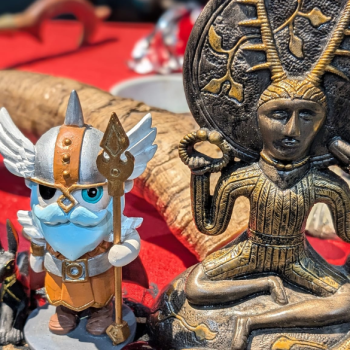
Honoring the God in Paganism
Light Your Path
3
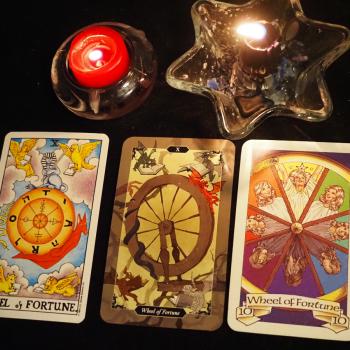
The Wheel of Fortune and the...
John Beckett
4
2025 Wheel of the Year Astrological...
Witch on Fire
TRENDING AT PATHEOS Pagan
The Wheel of Fortune and the Limits of...
A recent Tarot reading was overwhelmingly positive… except for the Wheel of...
Litha —a bit late but still very relevant
Well, Litha or Summer Solstice as the mundane call it, has passed....
Honoring the God in Paganism
Honoring the God in Paganism does not often get the attention that...
Setting a Prayer Corner at Home
It's been a long time since I was last here, so it...
From the Shadows to the Shrine: 4 Books...
The cult of Santa Muerte. has been growing exponentially for many years...
Are There Spirits In AI? Ask A Witch
If some AI conversations strongly resemble conversations that come through Ouija or...
view all Pagan blogs

 PANTHEON

















 Ad-Free & Subscriber Log-In