


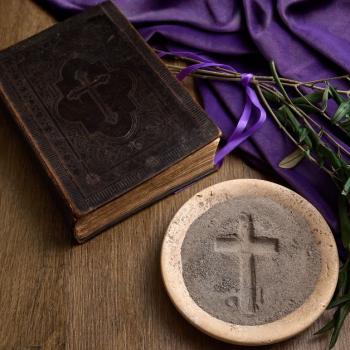
As Catholics around the world begin the Lenten season by marking our foreheads with ash, we are also called to observe both fasting and abstinence. These practices not only symbolize penance. They also help us recognize our mortality and dependence upon God.
What is required?
1. Abstinence from meat for those who are 14 years old and above
2. Fasting for those aged 18 to 59.
By fasting, a person eats only one full meal and two smaller meals that should not equal a full meal.
Here’s what the Code of Canon Law says:
Can. 1252 The law of abstinence binds those who have completed their fourteenth year. The law of fasting binds those who have attained their majority, until the beginning of their sixtieth year. Pastors of souls and parents are to ensure that even those who by reason of their age are not bound by the law of fasting and abstinence, are taught the true meaning of penance.
What if you fail your Ash Wednesday fast?
Many Catholics who are unable to fulfill this obligatory fast often ask whether they committed a sin. Some may wonder whether they have already committed a mortal sin that can send them to hell. Even those who tried their very best but failed to observe it “perfectly” may become so scrupulous that they start to lose their peace.
They may start asking:
“Did I break the fast by drinking coffee?”
“Did my two smaller meals exceed one full meal?”
First, let us define what mortal sin is. The Catechism of the Catholic Church defines it as follows:
For a sin to be mortal, three conditions must together be met: “Mortal sin is sin whose object is grave matter and which is also committed with full knowledge and deliberate consent.” (CCC 1857)
There are, therefore, three requirements:
1. grave matter
2. full knowledge
3. deliberate consent
While breaking the fast is indeed considered a grave matter, it all depends on whether there is also full knowledge and deliberate consent.
Did you forget it was Ash Wednesday?
Did you intend to break your fast?
Was there a health problem that prevented you from fulfilling your obligation?
Did you try your very best but still fail in the end?
Keep in mind that, in the first place, there are age requirements for fasting. This means that God considers our own limitations when it comes to this kind of sacrifice.
Considering this, there are other conditions that exempt you from your obligation.
Who are exempted from fasting?
In the USCCB’s Lent FAQ, this is answered as follows:
“Those that are excused from fast and abstinence outside the age limits include the physically or mentally ill including individuals suffering from chronic illnesses such as diabetes. Also excluded are pregnant or nursing women. In all cases, common sense should prevail, and ill persons should not further jeopardize their health by fasting.”
Let us repeat the last sentence:
“In all cases, common sense should prevail, and ill persons should not further jeopardize their health by fasting.”
Our intentions may be good, but God doesn’t want us to end up fainting or being hospitalized just to fulfill our Ash Wednesday fast.
We are also not called to worry or to be filled with scrupulosity. It is not fear that should motivate us, but love. A love that yearns to share in the suffering of Jesus Christ and to offer a sacrifice out of our contrition for our sins and our gratefulness for God’s mercy.
“For I desire steadfast love and not sacrifice, the knowledge of God rather than burnt offerings.” – Hosea 6:6 (NRSVCE)
What good is it if you technically fulfill the fasting requirements but you fail to amend your heart? You may starve yourself physically but if you spend the day getting into fights because you have failed to get in the spirit of prayer, what good would fasting do?
Jesus’ call to conversion and penance, like that of the prophets before him, does not aim first at outward works, “sackcloth and ashes,” fasting and mortification, but at the conversion of the heart, interior conversion. Without this, such penances remain sterile and false; however, interior conversion urges expression in visible signs, gestures and works of penance. (CCC 1430)
If you are worried because you think you have failed to fast:
1. Ask yourself honestly about your intentions
2. Understand the exceptions and accept your limitations
3. Ask God for forgiveness of your failures
Should I go to confession? If you have willfully neglected the Church Law on fasting while knowing fully what was required, yes. But do not be disheartened. Lent is not a time for condemnation but forgiveness. God came not to send us all to hell but to save us through His passion and death on the cross.
If you have honestly tried and struggled to keep the fast and yet failed in the end, know that God sees and is with you in your weakness.
Offer a penance or small acts of love as a token of your humility and faith in God. Spend time in prayer and talk to Him who loves you so. Keep in mind that God loves you even now, not only after you have achieved perfection.
“My sacrifice, O God, is a contrite spirit; a contrite, humbled heart, O God, you will not scorn.” -Psalm 51:19 (NABRE)
The True Spirit of Fasting
Fasting and abstinence should lead us closer to God, not farther away from Him. It should bring about penance, repentance, and true humility.
It is not something we do so that we can appear holy to others or even to ourselves. It is not a standard of perfection to judge others with.
Let us spend Lent in humble reflection of God’s compassion towards us all. Draw closer to Him whose sacred heart was pierced so that His saving blood could be poured out upon all of us who need His mercy and love.
“Why do we fast, but you do not see?
Why humble ourselves, but you do not notice?”
Look, you serve your own interest on your fast day,
and oppress all your workers.
Look, you fast only to quarrel and to fight
and to strike with a wicked fist.
Such fasting as you do today
will not make your voice heard on high.
Is such the fast that I choose,
a day to humble oneself?
Is it to bow down the head like a bulrush,
and to lie in sackcloth and ashes?
Will you call this a fast,
a day acceptable to the Lord?
Is not this the fast that I choose:
to loose the bonds of injustice,
to undo the thongs of the yoke,
to let the oppressed go free,
and to break every yoke?
Is it not to share your bread with the hungry,
and bring the homeless poor into your house;
when you see the naked, to cover them,
and not to hide yourself from your own kin?
Then your light shall break forth like the dawn,
and your healing shall spring up quickly;
your vindicator[a] shall go before you,
the glory of the Lord shall be your rear guard.
Then you shall call, and the Lord will answer;
you shall cry for help, and he will say, Here I am.
– Isaiah 58:3-9 (NRSVCE)
You may also want to read “What’s Your Sacrifice at This Season in Your Life?”
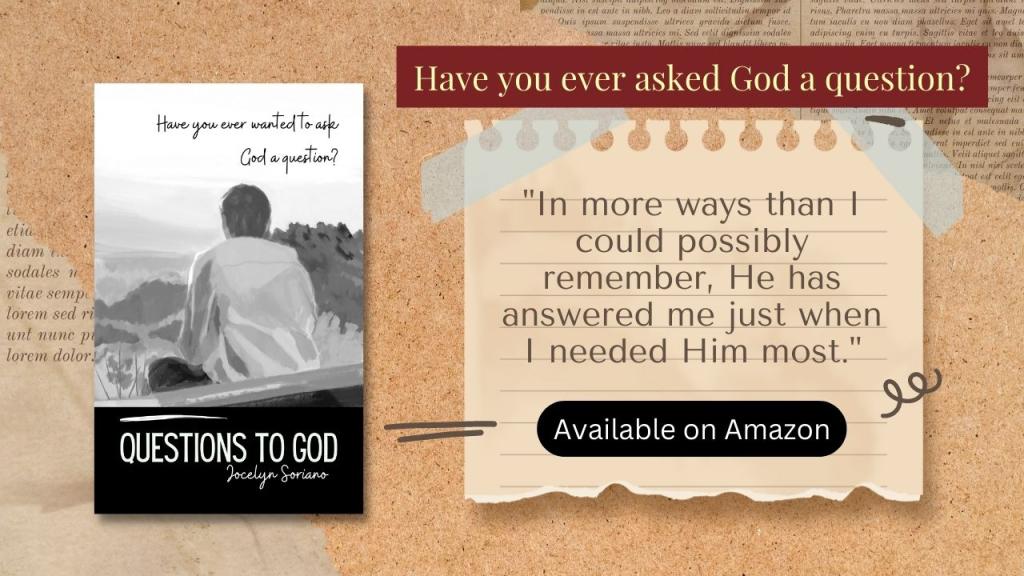
Jocelyn Soriano writes about relationships and the Catholic faith at “Single Catholic Writer”. She wrote the books 366 Days of Compassion, Defending My Catholic Faith and Questions to God.















 Ad-Free & Subscriber Log-In