

The Stories Behind Our Traditions: Why Real History Matters

A Childhood Curiosity That Never Faded
When I was a little girl, I loved history. Sometimes my parents let me stay up past my bedtime to watch Masterpiece Theatre. My favorite series was the one about Henry VIII’s wives. For weeks, I repeated the line, “divorced, beheaded, died, divorced, beheaded, survived.”
Learning to Look Beneath the Surface
As I watched. I sat on the floor with encyclopedias stacked around me. I compared facts, checked details, and tried to understand the bigger story. Even now, when I watch a documentary or see something on the History Channel, I start researching right away. I want to know the whole picture — the events that influenced the outcomes and the ancient writers who recorded the moment. I want to understand what was really happening in the world at the time.
A World that Treats History as Entertainment
However, today, people often treat history as entertainment content. Stories get new endings. Everything becomes subject to interpretation.
We expect movies to take creative liberties. But on social media, information is presented as fact. It is easy to mistake a polished post for a true story. Entire conversations get invented, and suddenly people believe them and repeat them as if they happened.
This mix of truth and fiction becomes harmful when it distorts how we understand religious holidays, which are core to family and cultural traditions meant to bring people together. Stereotypes prevail. Holidays that grew out of struggle and faith may be used to create division. When we rely on fake narratives, we lose the deeper meaning these days hold in Christian, Jewish, and other faith traditions.
Scholars Who Keep Our Stories Honest
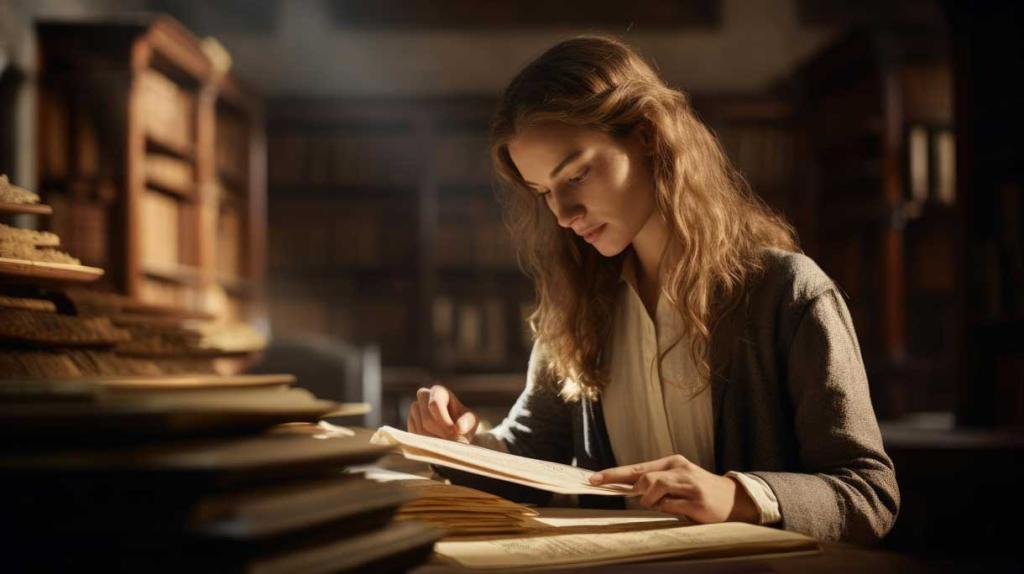
That is why, during the holidays, it is important to highlight the people who spend their lives studying and teaching real history. Historians, philosophers, and theologians have taken the time to read the original text and help fill the gaps in our knowledge. Their work helps us see life as it really was. They explain how events connect, how traditions change over time, and why certain practices mattered to a specific community. Their books and articles keep us grounded, especially now, when AI-generated content influences how many people learn. Without them, the foundations of our shared history could be reshaped for convenience or manipulated to create distrust.
Institutions and Voices Preserve What’s Real
Many institutions and individuals are already doing critical work to protect and share accurate history. They help us understand the world in which our traditions first took shape.
The Museum of the Bible’s partnership with the Israel Antiquities Authority is one example. At the museum located in Washington, DC, visitors see artifacts from Israel. The displays and recorded narratives give us a glimpse into daily life, worship, and history, revealing how ancient faiths took shape. Exhibits like the Dead Sea Scrolls let us stand before texts and objects that shaped entire civilizations. These aren’t guesses or interpretations; the scrolls are physical evidence of human belief and the search for meaning.
Simon Sebag-Montefiore, British historian and author of Jerusalem, explores thousands of years of Christian, Jewish, and Islamic life that are central to multiple faiths. Renowned for his deep research, Sebag-Montefiore brings these stories to life in his comprehensive BBC documentary series Jerusalem: The Making of a Holy City.
Traditions Rooted In Faith and Fortitude
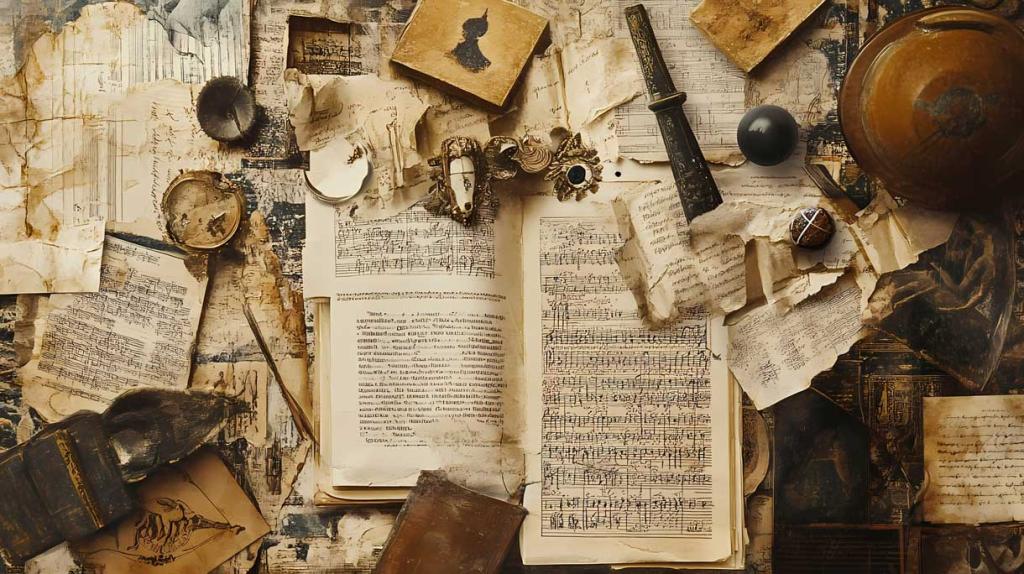
When we take the time to look deeper, we see that holidays aren’t just dates on a calendar — they are memories of those who went before us and examples of spiritual survival in a complex world. We begin to understand why Jews light candles at Hanukkah, why Christians celebrate the birth at the end of the year, and why both traditions find hope in the face of oppression. We learn that history is a story of triumph, loss, exile, return, and hope.
The truth is that holidays evolve from centuries of human experience. Each one carries the ripple effects of decisions made by leaders, driven by a mix of emotions, good intentions, or, in many cases, self-interest. What we celebrate today is only the surface; the real meaning lives in the stories behind the holiday.
Honor the Real Stories Behind What We Celebrate
Take the time to look past quick online content and listen to informed, trustworthy voices. By doing so, you honor not just the holiday itself, but the long journey and the people who gave us the life we live and celebrate today.












 Ad-Free & Subscriber Log-In