

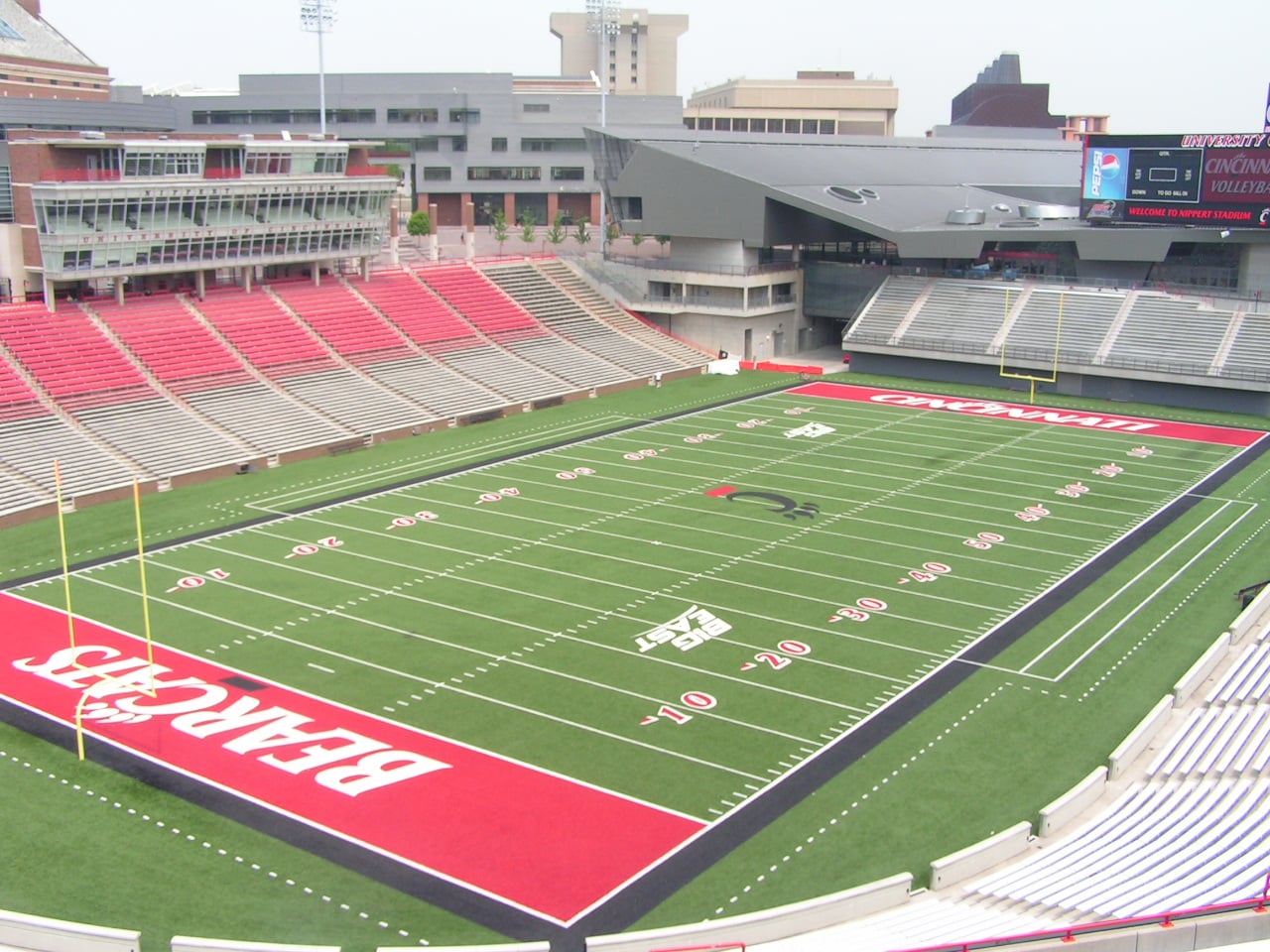
Here is a quartet of follow-up articles regarding the topic of yesterday’s blog entry, which was entitled “Bigots in the Bleachers”:
- Deseret News: “Cincinnati athletic director apologizes for profane chants directed toward BYU: The chants took place this past weekend during BYU football’s visit to Cincinnati”
- Deseret News: “Perspective: What more can universities do to prevent explicit chants at BYU games? Lessons from previous instances to date could help other universities ward off this derogatory pattern”
- Cincinnati Enquirer: “Will UC be fined? AD apologizes after anti-Mormon chant at BYU game” (compare similar article in USA Today)
- WCPO: “University of Cincinnati AD apologizes for anti-Mormon chants during BYU game”
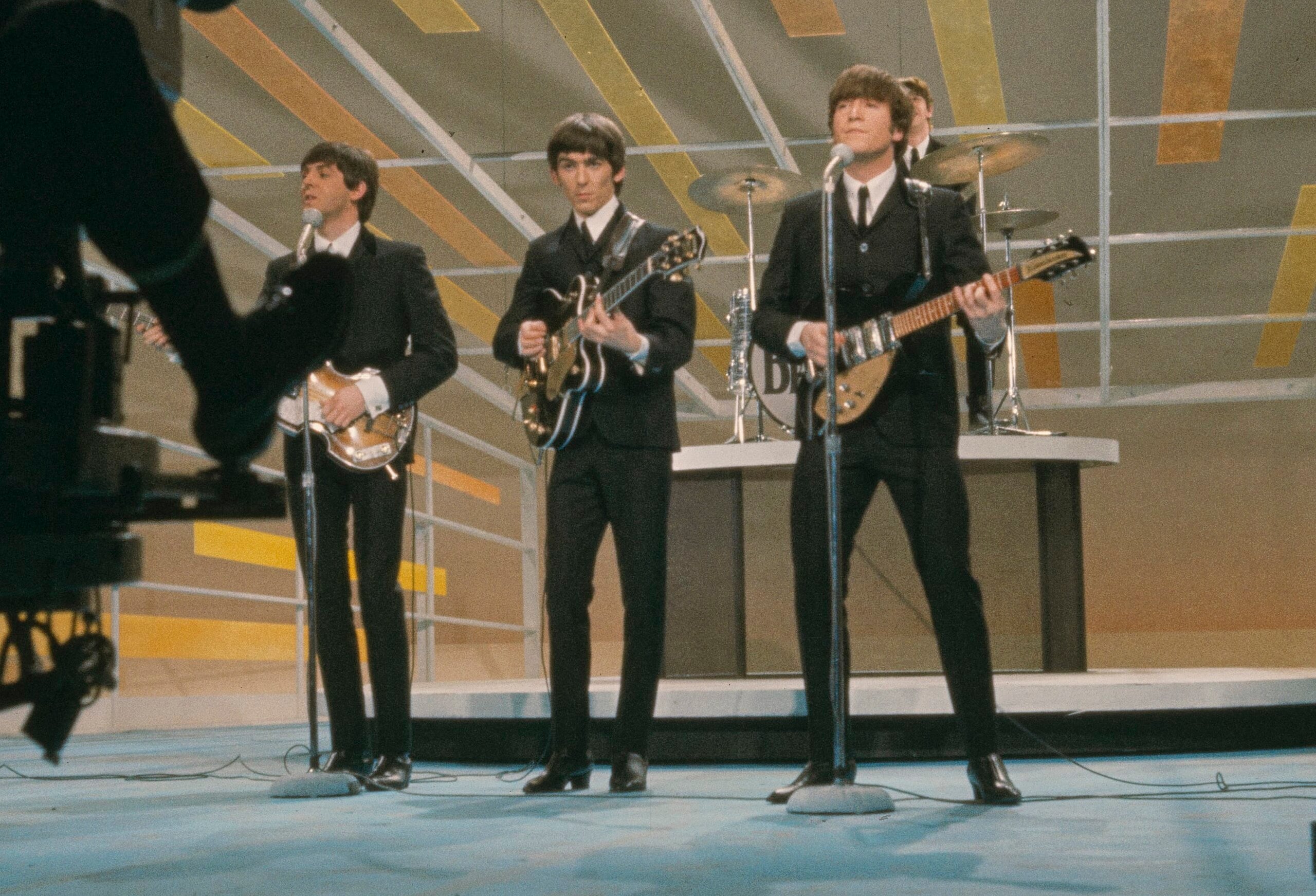
I’ve just learned from a pair of anonymous critics online that I hate, despise, condemn, and fear the Beatles. Or, at least, that, as a Latter-day Saint, I should hate, despise, condemn and fear the Beatles. Or, anyhow, something along those lines. (We’re not exactly talking about Immanuel Kant here, where precise understanding of every subtle nuance is vitally important.)
My righteous disdain for the Beatles comes as stunning news to me. I’ve been a really enthusiastic Beatles fan since first seeing them in their second appearance on The Ed Sullivan Show. That was on 16 February 1964. (Yes, I’m that old.) I had somehow missed their first appearance, on 9 February 1964, but I made absolutely sure that I caught their third, which had been taped on 9 February for broadcast on 23 February. My favorite of the four was, and remained, John Lennon.
After that, I bought their albums, bought books of their songs, got a guitar (the first of several) and learned to play their music, and waited impatiently for each new release. I was heartsick when they broke up in 1969-1970, and I still remember receiving the horrifying news of John Lennon’s death (while I was living in Egypt in 1980). I took it rather personally. I felt as if my youth had been, to some degree, anyway, torn from me.
One of my regrets is that I never saw the Beatles live, in person. I saw The Rolling Stones and the Byrds and Cream and B. B. King and Iron Butterfly and Neal Young and others, but, somehow, never the Beatles. Here’s some slight compensation: Several years ago, visiting with my nephew in Southern California, I met a member of his ward who, at that time anyway, was playing with a Beatles tribute band at one of the major hotels in Las Vegas. We were driving back to Utah in a few days, and he comped us some tickets for his show there. It was, note for note and costume change for costume change, extraordinarily true to the real thing through all of the Beatles’ history — and, if I may say so myself, I know the songs quite well. So I thought that maybe I hadn’t altogether missed out, after all.
I regard the Beatles as incomparably the greatest rock group of all time, and I’m happy to report that I’ve managed to pass that judgment on to my second generation. In fact, I’m told that my closest resident Third Generation Unit or 3GU (identity withheld to make hostile targeting more difficult) has apparently been asking for Beatles songs this very week, and has been listening to and singing along with them, while riding in a 3GU car booster seat.
It’s amazing, though, what powerful insights into oneself one can gain from anonymous posters online.
And, while I’m on the subject, I received this in my inbox today, from the New York Times: “Meet The Beatles, again,” by Ben Sisario.
Good morning. Today, a music reporter revisits the documentary that made him fall in love the Beatles, ahead of the film’s 30th-anniversary rerelease.
I share the first four paragraphs:
In 1987, when I was a budding teenage rock snob, the checkout lane at my local supermarket was crowded with magazines commemorating the Beatles album “Sgt. Pepper’s Lonely Hearts Club Band,” still hyped after 20 years. If I didn’t groan, I at least rolled my eyes.
To this Gen X kid, few things were less cool than the Beatles, the musical embodiment of the cultural dominance of my parents’ boomer generation. I preferred the Pixies, Nirvana and whatever else caught my eye on MTV’s “120 Minutes” (though Kurt Cobain’s adoration of John Lennon couldn’t be ignored).
Now I am a Fab Four obsessive, consulting a shelf of Beatles-related reference books while I listen to boxed sets of outtakes.
The turning point for me was “The Beatles Anthology,” an authorized documentary that was shown over three nights in November 1995. It returns to Disney+ this week, in an expanded and technologically sweetened form.
I’m looking forward to it. And, oddly, I’m looking forward to it without even the slightest twinge of guilt.

I posted a brief note yesterday about a close friend’s recounting of a recent out-of-body experience. I failed to include something that he said, though, that I found quite interesting: As he was observing himself on the floor at Costco and then watching the eventually successful effort to revive him, he said that the thought occurred to him, “I’m dying, and it’s really not all that bad!” Then, he said, he suddenly found himself back in himself, no longer watching things from slightly above and behind.
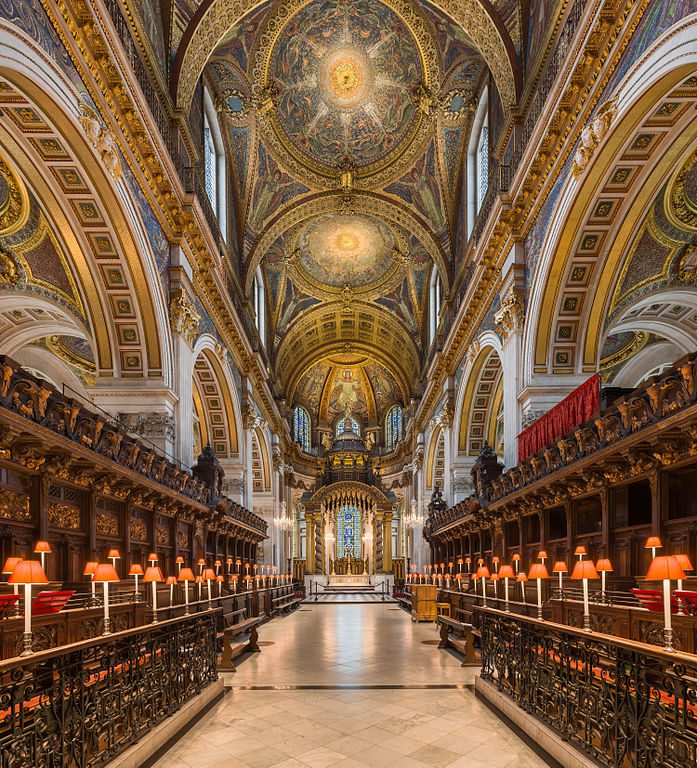
The empty churches of the Anglican communion in England offer a glimpse of the possible (likely?) future of mainstream Protestantism in America if it isn’t reinvigorated. (Photo by DAVID ILIFF. License: CC-BY-SA 3.0)
This brief column is worthy of a thoughtful read: “The decline of religion affects everything: Faith is the glue that holds us together”









 Ad-Free & Subscriber Log-In