

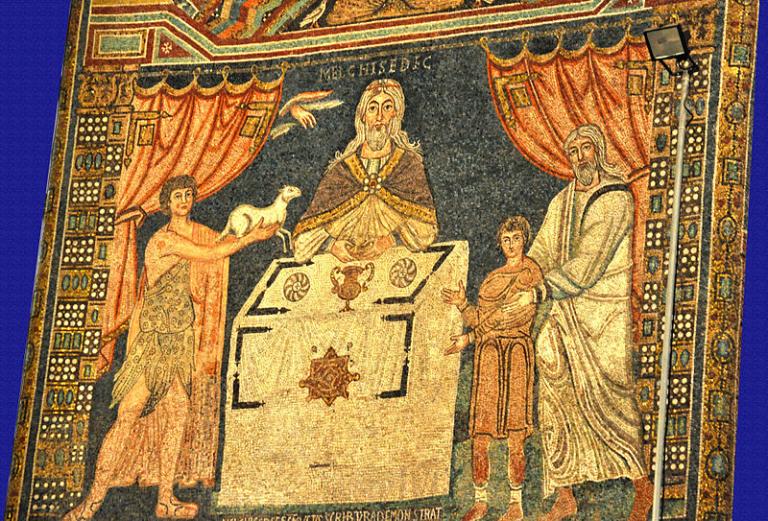
This item was posted earlier today: The Interpreter Insights Podcast — January 15, 2026: “Abraham, Enoch, and Melchizedek:
In the 15 January 2026 episode of the Interpreter Insights Podcast, Terry Hutchinson and Martin Tanner interview Jeffrey Bradshaw about Abraham, Enoch, and Melchizedek:
The Interpreter Insights Podcast is a weekly discussion of matters of interest to the hosts and guests of the show. The views expressed on Interpreter Insights are those of the individuals involved and do not necessarily reflect the views of the Interpreter Foundation, nor should statements made on the show be construed as official doctrinal statements of the Church.
(LDS.org)
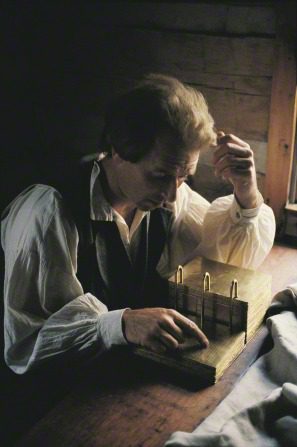
As I said the other day, the current issue of BYU Studies is unusually rich in articles that interest me. For today, I read Stephen O. Smoot, ““Sight and Power to Translate”: Revelatory Translation, Seership, and Joseph Smith’s Scriptural Productions,” BYU Studies 64/4 (2025): 59-83.
On multiple occasions over the past few years, I’ve encountered the hopeful allegation that Latter-day Saint leaders and scholars are backing away from the “traditional” claim that two of Joseph Smith’s scriptural productions — the Book of Mormon and the Book of Abraham — are authentically ancient. The critics advancing that allegation often point, as evidence in its support, to descriptions of the two books as being the products of revelation or inspiration, which they take to signify a weakening of belief in their having actually been translated and, thus, a step toward abandoning their historicity altogether.
The allegation has always seemed overeager and baseless to me and, now, Stephen Smoot’s article has marshaled a large amount of evidence demonstrating just that. He shows that the terms revelation, inspiration, and translation have been used from the beginning and throughout Latter-day Saint history in association with each other and sometimes pretty much interchangeably with regard to both the Book of Mormon and the Book of Abraham:
I argue that the modern dichotomy of revelation versus translation is largely an external framework imposed on Joseph Smith’s conceptualization of these texts and his role in producing them. For Joseph and the early Saints, revelation and translation were nearly synonymous because both categories converged within his role as a seer. (61)
The pronouncements of Orson Pratt and William Appleby anticipated Elder Soares’s 2020 general conference address by nearly one hundred and fifty years. This reflects an indisputably long and consistent pattern in Latter-day Saint religious discourse of using the terms revelation (and related words like inspiration) and translation practically interchangeably when describing Joseph Smith’s scriptural productions—a pattern particularly evident in discussions of both the Book of Mormon and the book of Abraham.
On a final note, lest there be any lingering confusion, it is important to emphasize that this terminological fluidity does not suggest a strategic retreat from the authenticity of Joseph Smith’s scriptural productions. There is no evidence to indicate that Latter-day Saint leaders—from Orson Pratt and Wilford Woodruff to their modern successors—have sometimes described Joseph Smith’s translations of ancient scripture as revelations out of deference to critics or bashful concession that they lack historicity. On the contrary, the Latter-day Saint apologetic tradition has consistently offered a robust and spirited defense of the historicity and divine inspiration of both the Book of Mormon and the book of Abraham. In the case of the book of Abraham, it may be observed that Church leaders have recently shown greater openness to questions about the manner of its translation, but this is far from conceding to critics seeking to discredit its ancient authenticity.
The sources reviewed here are unequivocal: While these texts were often described as revelations, such descriptions were never meant to deny their status as ancient records. Recognizing this is essential for accurately understanding Joseph Smith’s view of his scriptural texts, how Latter-day Saints have historically conceptualized Restoration scripture, and how that understanding has endured. (82-83)
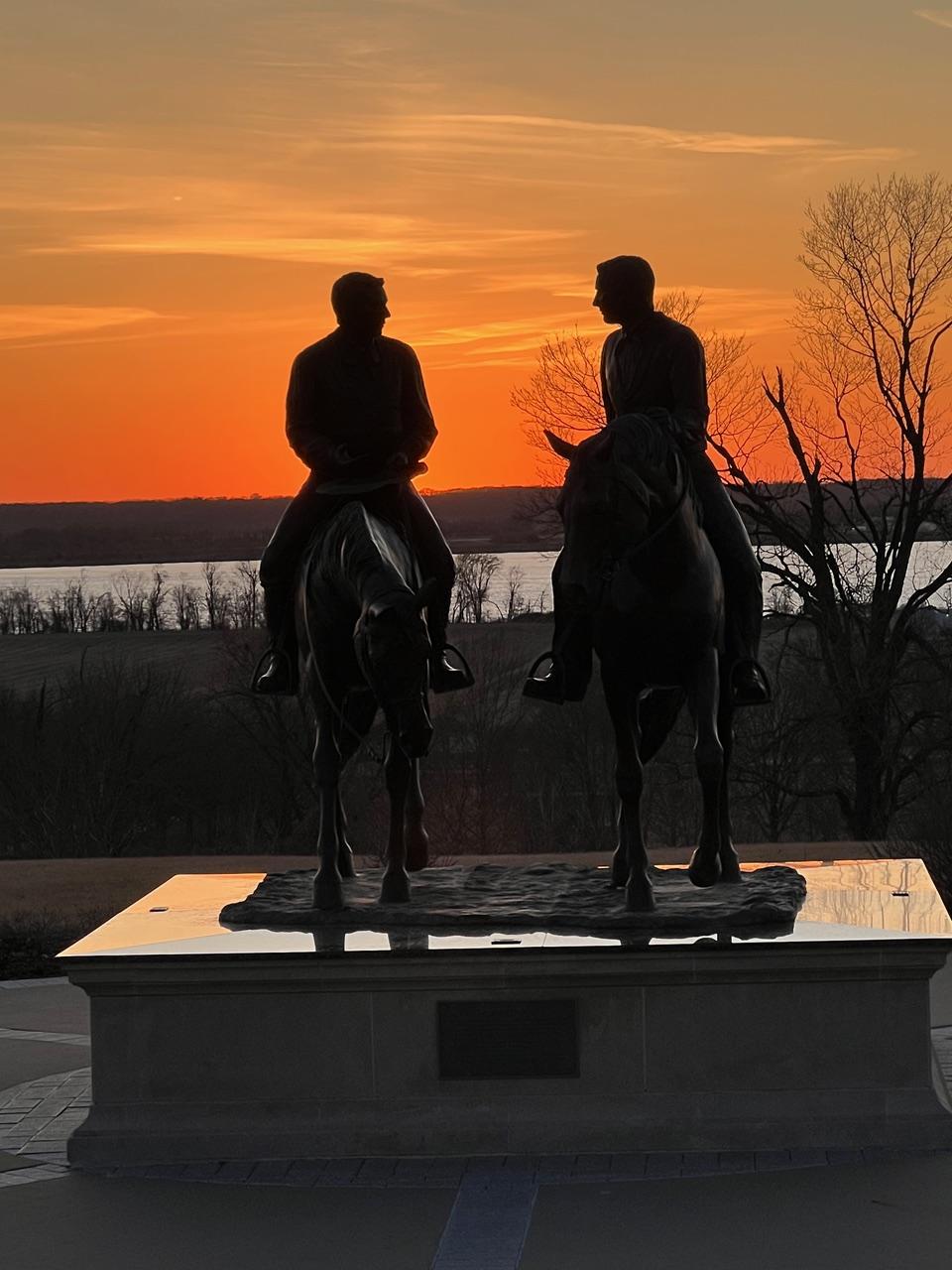
We thought that we would need to film tomorrow (Friday) morning, but we’ve been so impressively efficient during this trip that we actually managed to wrap our work up today, filming at the Family Living Center and at the John and Leonora Taylor Home. Yesterday was cold and windy, but today seemed a bit warmer and it was definitely not as cold. So, of course, all of today’s filming was inside. The first episode of Becoming Brigham is due to premiere in about a week and a half, on Monday, 26 January 2026.

It’s tradition, at the end of these filming expeditions and after we’ve finished our work, to have a “movie night” on the evening before we head home. We take turns choosing a film to show in one of our motel rooms. Tonight, it was Russ Richins’s turn to choose, and the movie that he selected for sharing was Chiwetel Ejiofor’s powerful 2019 film The Boy Who Harnessed the Wind, which is based on a true story that comes out of Malawi. The primary vehicle of the film’s dialogue is Chichewa, a Bantu language — which is translated in subtitles — although there’s also a fair amount of English. Toward the end, there are a few phrases of beautiful Classical Arabic, which, after the Chichewa, seemed to me like arriving comfortably home. We all liked the film, and I recommend it.
Posted from Fort Madison, Iowa











 Ad-Free & Subscriber Log-In