

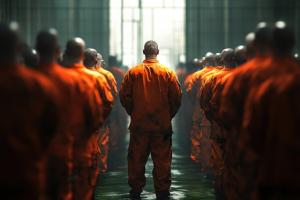
Immigration and Customs Enforcement (ICE) denied Catholic clergy access to administer Communion to detainees at the Broadview ICE Detention Center near Chicago on All Saints Day, November 1, 2025. This was the second event at the ICE facility in Broadview, Illinois. Let’s take a look.
What Happened at the ICE Facility in Broadview, Illinois, on All Saints Day?
On November 1, All Saints Day, more than 2,000 people gathered outside the Broadview facility for a Mass organized by the Coalition for Spiritual and Public Leadership (CSPL). The Mass celebrated All Saints Day and Día de los Muertos. For Catholics, All Saints Day is a Holy Day of Obligation.
Mexico celebrates Día de los Muertos, a Mexican holiday, on November 1 and 2 to honor and remember deceased loved ones. It blends indigenous traditions with Catholic observances and emphasizes joyful remembrance rather than mourning. This is the second time the clergy were denied access to the detainees in Broadview. Previously, on October 11, Father Larry Dowling led a Eucharistic Procession to the Broadview facility and was denied entrance (ICE and the Eucharistic Procession in Chicago).
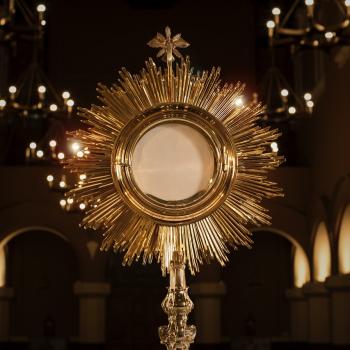
Typically, the distribution of the Eucharist is not part of Eucharistic processions. There are no reports that Father Dowling requested access in advance of the procession. When he asked for access at the gate, ICE denied him. At a minimum, the detainees were denied the opportunity for adoration. There are conflicting reports about whether the intent was to distribute the Eucharist.
For All Saints Day and Dia de los Muertos, clergy submitted formal requests more than a week in advance, in accordance with Department of Homeland Security (DHS) protocols. Authorities gave no reason for the denial. Faith leaders and advocates argue that denying access to religious sacraments violates detainees’ religious freedom and contradicts ICE’s own detention standards. They are right.
What Is The Issue?

While there are no reports that Father Dowling requested access to the ICE facility before the Eucharistic procession, access for adoration is not a significant request. In the second event, access to ICE was requested more than a week in advance. The purpose of the request was to distribute communion.
This is a much larger issue in my view. Jesus never denied himself to anyone who sincerely sought Him. Jesus welcomed the poor, sick, and sinners, offering healing, forgiveness, and communion to all who came in faith. Catholic teaching describes the Eucharist as “medicine for the sick“—intended not primarily for the physically ill, but for those who are spiritually wounded and weak. It is a sacrament of healing and strength, especially for those striving to live in grace.
The Catholic View
Who are we to decide who has access to Jesus present in the Eucharist? The Vatican does not broadly support withholding Communion from Catholics who desire it. They affirm that Communion may be withheld in rare, serious cases. Especially when someone publicly persists in grave sin. Pope Francis emphasized pastoral care, compassion, and discernment over condemnation. The problem is that ICE never responded to the request for access, therefore denying the detainee’s access to Jesus present in the Eucharist. This is unacceptable. Since this is the second time there has been a problem, local clergy and ICE representatives must work together to ensure the religious needs of the detainees are met.
Please share your thoughts about this article in the “Comments” section.
Peace
If you like this article, you might enjoy:
Online Sports Gambling Driving Higher Addiction Rates
Love: A Divine Message on All Souls’ Day
SNAP Benefits About To Expire for 42 Million People











 Ad-Free & Subscriber Log-In