


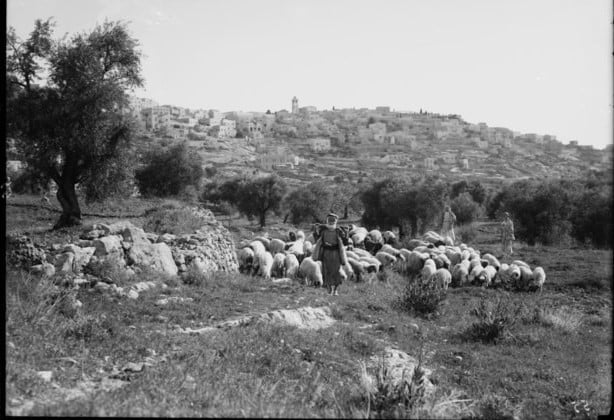
Significance of Shepherds in the Christmas Story
Only the gospels of Luke and John recocunt the story of Jesus’ birth, and Luke alone mentions the shepherds. His account in Luke 2 explains shepherds lived in fields nearby Bethlehem. In fact, they were out watching their flocks the night Jesus was born. An angel suddenly appeared to them, and the glory of the Lord shone around them. Seeing their terror, the angel told them not to be afraid. He did not come to harm them but to announce good news for all people–the birth of the Messiah. This angel even instructed the shepherds where to find the baby and how to confirm they had found him. A great company of angels filled the skies praising God. Upon their departure, these men talked among themselves and agree to go to Bethlehem to see what had happened.
Two things of significance stand out in this account. First, lowly flock tenders received a divine visit to inform them of the Messiah’s birth. Nothing is said of anyone knowing about or having gone to see Baby Jesus before this point. Why tell humble workers about this huge event rather than political or religious leaders? Second, the shepherds “hurried off” to Bethlehem to check things out. They bravely faced the unknown following heavenly direction to look for the Messiah in Bethlehem.
Significance of Shepherds’ Societal Role
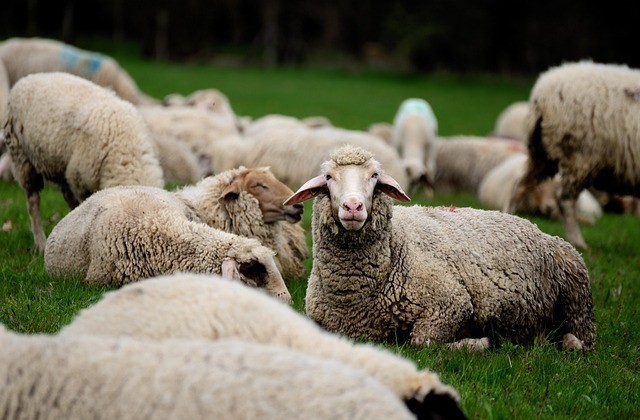
Archaeological findings in regions such as Israel provide corroboration of the significance of shepherds in biblical times. A common occupation in ancient Israel, shepherding served as a vital part of the agricultural economy. Sheep were a primary source of food, clothing, and livelihood for many families. They supplied wool, milk, and meat. The responsibility for the care and protection of the sheep fell on shepherds, who spent long hours in the field and led their flocks to clean water and green pastures. These caretakers defended their charges from predators sucb as lions and bears and helped them avoid being nabbed by thieves.
While the work of the shepherds supported their society’s economy, the community viewed the profession as menial and humble. In biblical times, others looked down upon them, considering them as unclean and disgraceful. Their uncleanness arose from their frequent contact with animal waste, animal carcasses, and birth fluids. Those working the overnight watch were deemed the lowest of the low, but all shepherds were social outcasts. Their nomadic lifestyle provided separation from an established community and led to social distance as well.

Shepherds of the Bible
While believers might first think of shepherds in connection with the Christmas story, this occupation appears throughout the Bible for significant characters. Genesis 4:2, for example, tells us Adam and Eve’s son Abel kept flocks. Moses, who led God’s people out of Egypt, was in the wilderness tending sheep when God called him for that mission from a burning bush. David, a young shepherd boy, slew Goliath and ultimately became King of Israel.
Although not specific characters, references to shepherds also dot the Scriptures. Beloved Psalm 23 refers to the Lord as “my shepherd” in its first verse. Messianic prophecy also utilized shepherd imagery. Isaiah 40:11 describes the coming Messiah as One who would feed His flock and gather the lambs in His arms. Prohetic books likewise turned to shepherds for their messages. For example, Ezekiel 34 talks of Israel’s leaders as unfaithful shepherds who neglected their flock. And the ultimate shepherd arrives in the New Testament in the person of Jesus Christ who called Himself “the Good Shepherd.” With all these biblical references to shepherds, haveing them as a part of the Christmas story seems appropriate.
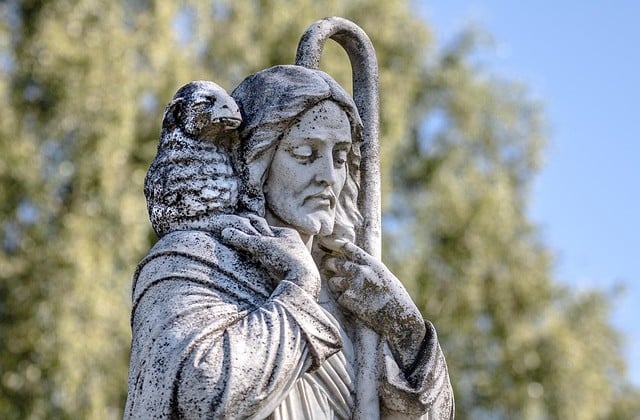
Significance of Jesus as the Good Shepherd
The Christmas story incorporatees the significance of shepherds into the plan God intended with Jesus’ birth. Christ was born in humble circumstances around animals, using their feeding trough as His bed. His birth was important for all mankind, even the lowly shepherds in the fields nearby, signinfying the good news was for all men, even stinky outcasts. Their welcoming of Him to this world and inclusion in this beautiful story showed the Messiah was not put off by dirty and sinful men.
Jesus filled the role of a caring and nurturing shepherd to those around Him during His ministry as an adult. He rescued humans from earthly ills by healing them. He gave them spiritual food in the form of words from God and tried to guide them to the living water to provide them eternal life. Finally, as any good shepherd would do, He was willing to lay down His life for His flock to save theirs. So, one more shepherd exists in the Christmas story than we usually count, Jesus. There were shepherds who came from the fields as well as the Good Shepherd who came down from heaven.
Shepherds in Bethlehem’s Fields













 Ad-Free & Subscriber Log-In