


Lists In The Bible, Even A To-Do List
A solid case can be made that lists began with God. Genesis 1, for example, starts the Good Book off with His creation project list. God accomplishes a specific task on each of six days. Even better? He gets to mark the day’s to-do list as accomplished by noting the results of His efforts were “good.”
Various lists appear throughout the Bible emphasizing God’s desire for order and organization. Identification of the line of Jesus’ ancestors in Matthew (from Abraham to Jesus) and in Luke (from Jesus back to Adam) provide genealogical lists. At the start oh His teaching ministry, Jesus set out a list of virtues for believers to aspire to in what we call the Beatitudes. His Sermon on the Mount points to a blessing bestowed on believers who exhibit a characteristic of God’s servants. In Galatians 5:22-23, Paul lists the fruit of of the Spirit. This listing provided a good checklist for believers to determine if they are walking in the Spirit.
Tapping Into To-Do Lists Through History
Modern man cannot take credit for the concept of a to-do list. In fact, this type of list dates far back in man’s history. Archaelologists have uncovered a primitive version in the form of scratched hieroglyphics dating back to 3300 BC. Connected to the anicent Indus Valley civilization, these markings appear to set out required materials or tasks for shopping or the workplace. Ancient Egyptians used papyrus scrolls to make their hieroglyphic to-do lists. Items on them included temple construction tasks and supplies to acquire for festivals.
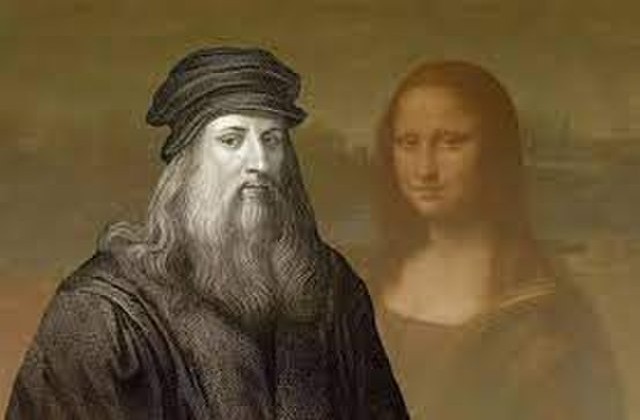
Among fans of the to-do list are famous historical and cultural figures. Leonardo da Vinci aimed high with his lists. One thing he wanted to do? Draw Milan, a task likely requiring more than one day to accomplish. In 18th century America, Benjamin Franklin utilized to-do lists early in life as a printer and young businessman. At only age 20, he put together a 13-week plan focusing on developing virtues such as order and sincerity. In more modern times, musical artists, such as Woody Gurthrie and John Lenoon, have provided examples of to-do list adherents.
Reasoning Behind Tapping Into To-Do Lists
Scientific studies support the reasoning behind tapping into to-do lists. Specifically, they show writing down tasks reduces cognitive load and heightens focus. Lists harness the human brain’s natural desire for order and completion. Having a list also activates the brain to focus on the task at hand rather than attempting to remember all tasks needing to be done. Compiling a list helps the maker avoid feeling overwhelmed and from procrastinating. A feel-good component to using these lists exists too. Checking an item off upon completion triggers the brain’s reward center providing a neurochemical boost. Even if the goal is never reached, a feeling of accomplishment occurs simply by having a plan of action set.
A to-do list is a must have in the modern workplace as a de facto measure of productivity. Its use in this setting emerged in the early 20th century with corporations seeking to maximize productivity by organizing workers and functions. Quantifying improvement became possible from tracking progress numerically through activities listed.
Pitfalls With Use Of To-Do Lists
Having a to-do list can greatly assist the list maker’s productivity or provide a continuing source of frustration. Effective use of an effective list is essential for a positive outcome. One of the biggest reasons a to-do list proves ineffectual? Its length. The failure rate for accomplishment climbs the longer the list. The flaw with lengthy lists is not the lack of goals but having too many of them. Compiling a to-do list which cannot reasonably be accomplished in the envisioned timeframe, sets a list maker up for failure. Benjamin Franklin encountered the problem of trying to do too much at once.
Other pitfalls for an effective list exist beyond it being too lengthy. Clear goals must be set with concrete standards. For eample, aiming to product more widgets is not a clear goal. A more effective goal adds a quantifiable target. My company will produce twice as many widgets this year as last is clearer. Conflicting goals also frustrate and hamper progress as Benjamin Franklin learned. Aiming to spend two hours at the gym each evening as well as reading for two hours that nigh might not work if the list maker has an early bedtime. While tasks may be never-ending, our time is not.

Pointers For A Productive To-Do List
Being realistic with the items placed on a to-do list saves headaches later. Consider the time and energy required to accomplish a task. Breaking the task down into smaller, more manageable steps helps as listing specific actions engages the brain more. Limit the number of items on a to-do list, and prioritize this short list. Some items are not as urgent as others. If it appears impossible to finish a task in the timeframe allotted, ask if anyone will be harmed by that lack of completion. If not, simply move the item forward to the next day’s list. Having categories on a to-do list can help as individuals tackle various tasks in different areas like work, errands, and family.
Staying flexible with to-do lists is key. Review lists frequently and revise them as necessary. The urgency of a task can decline or the task may no longer be necessary. Celebrate progress by marking off a completed item. Recognize the accomplishment of a fully completed list. Effectively using the productivity tool of a to-do list can produce satisfaction, relief, and a positive frame of mind.
Tapping Into To-Do Lists In Faith Life
Faith life is a journey which can be approached in a businesslike manner. As stewards of the gifts received from God, each individual should be productive with them. Time, of course is an important, but not unlimited, gift. Perhaps tapping into a to-do list could help progress be made in exhibiting desired virtues of God’s servants and acting as Jesus indicated His followers should. James 1: 22 instructs believers to be doers of the Word and not hearers only. A targeted to-do list with specific goals encourages action towards that goal. The beginning of 2026 provides the perfect time to implement this productivty tool in all aspects of life, including a faith journey.















 Ad-Free & Subscriber Log-In