

Introduction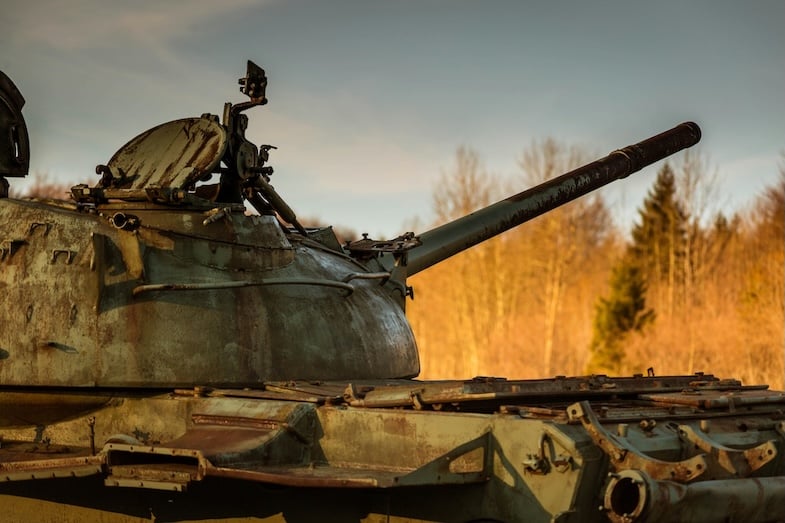
Since the fall of humanity in Genesis, one reality has consistently marked human history: war. It is brutal, complex, and deeply painful—regardless of its cause. Scripture does not ignore this reality. Instead, it reveals both the origins of war and the sovereignty of God over it.
From the earliest pages of the Bible, conflict emerges. Cain murders his brother Abel, and violence shapes the human story. As history unfolds, Scripture records battles fought for survival, justice, power, and at times, pure selfish ambition. Yet through every account, one truth remains constant: God is neither absent nor unaware. Even in the chaos of war, His redemptive plan remains settled.
The Root of War: Humanity’s Rebellion
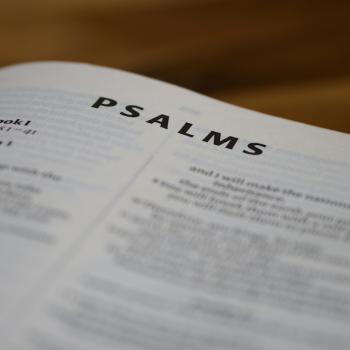
War is not merely political or territorial—it is deeply spiritual. Its root lies in humanity’s rebellion against God. Sin fuels conflict through pride, greed, hatred, and the desire for control. Psalm 2:1-2 offers a striking picture of this reality, describing nations raging and rulers resisting the authority of God and His Anointed King, Jesus the Christ.
When people reject God’s rule, disorder follows. Conflict becomes inevitable—not only between nations, but within the human heart itself.
Yet even in this brokenness, God established boundaries. In the Old Testament, He gave Israel specific instructions on how to conduct warfare (Deuteronomy 20). These commands set them apart from surrounding nations, emphasizing restraint, justice, and dependence on Him rather than brute strength. War was never to be pursued recklessly or celebrated as a way of life. God’s people, then and now, are to be set apart as His representation.
Scripture does not glorify violence. Instead, it records these events truthfully for instruction, revealing both the consequences of sin and the faithfulness of God.
History Confirms What Scripture Foretold
The centuries between the Old and New Testaments, often called the intertestamental period, demonstrate how God’s purposes unfold through historical events. Though sometimes referred to as the “silent years,” this period was far from inactive. Political upheaval, cultural shifts, and military conflict prepared the world for the coming of Christ.
Long before this era, the prophet Daniel interpreted a dream given to King Nebuchadnezzar, foretelling a succession of empires: Babylon, Persia, Greece, and Rome. History confirms this progression with remarkable accuracy.
Under Persian rule, the Jewish people experienced relative stability. However, this changed with the rise of Alexander the Great, whose conquests spread Greek culture across the known world. This process, known as Hellenization, introduced significant tension as Jewish identity and covenantal practices came under pressure.
After Alexander’s death, his empire fractured, leading to prolonged conflicts between rival dynasties. Judea became a battleground between the Ptolemies of Egypt and the Seleucids of Syria. The situation reached a crisis under Antiochus IV, whose policies led to the desecration of the Temple and the forced suppression of Jewish worship.
This oppression sparked the Maccabean Revolt, a courageous resistance to preserve faith and identity. Key victories led to the rededication of the Temple—an event still commemorated today through Hanukkah. Yet, even in victory, internal political struggles weakened the kingdom that emerged from this revolt, leaving the nation vulnerable to external intervention.
Eventually, in 63 BC, Roman forces entered Jerusalem, ending Jewish independence. Under Roman rule, leaders like Herod the Great maintained power through political allegiance and force. His reign, marked by both grand building projects and violent insecurity, reflected the instability of the time.
By the dawn of the New Testament, centuries of war, domination, and longing had shaped the world for deliverance.
A Different Kingdom
During Roman rule, in the perfect timing of God, Jesus Christ was born.
Many expected a political or military Messiah—one who would overthrow oppressive regimes and restore national sovereignty. Instead, Jesus revealed a different kingdom. Swords and armies did not advance Jesus’ mission; instead, truth, sacrifice, and divine authority did.
While there was no large-scale war between nations during His ministry, there was intense spiritual conflict. Religious leaders opposed Him, misunderstanding His purpose and rejecting His message and authority. Yet this opposition played a role in God’s plan of redemption.
The Roman Empire, known for its vast infrastructure and governance, became the very system through which the message of Christ spread rapidly across regions. What appeared to be political domination was, in fact, part of divine preparation.
God’s Sovereignty Over War
History and Scripture together reveal a powerful truth: God is sovereign over all things, including war. There are moments in biblical history where God permitted or even ordained conflict as part of His judgment or purpose. There are also many instances where wars arose from human sin and ambition.
In both cases, God remains in control.
Scripture shows that when God’s people obeyed Him, His intervention ensured their victory, not just their own strength. When they turned away from Him, consequences followed. For example, King Saul’s disobedience led to instability and defeat, while Joshua’s obedience at Jericho resulted in victory.
These accounts do not simplify war into good versus evil outcomes. Instead, they highlight a deeper reality: human actions have consequences, but ultimately God’s purposes prevail.
What About Today?
In a world still marked by conflict, it is natural to ask: Is God unaware of the wars we see today?
Jesus addressed this directly. In Matthew 24, He warned of wars and rumors of wars, instructing His followers not to be alarmed. These events, He explained, are part of a larger unfolding—not the end itself, but signs pointing toward it.
Today, we are not only hearing about wars—we are witnessing them in real time. Yet this should not lead to fear, but to spiritual awareness. God is not reacting to history; He is guiding it toward its appointed conclusion.
A Call to Faith and Perspective
God’s ways are not always easy to understand. His purposes often unfold beyond human comprehension. Yet Scripture calls believers to trust His sovereignty and remain anchored in His truth.
This is God’s world. He created it! He controls and sustains it.
“Christ is the image of the invisible God. For everything was created by him, in heaven and on earth, the visible and the invisible, whether thrones or dominions or rulers or authorities—all things have been created through Him and for Him. He is before all things, and by Him all things hold together. He is also the head of the body, the church; He is the beginning, the firstborn from the dead, so that he might come to have first place in everything. For God was pleased to have all His fullness dwell in Him, and through Him to reconcile everything to Himself, whether things on earth or things in heaven, by making peace through His blood, shed on the cross. -Colossians 1:17-20 NKJV
The message of the gospel stands at the center of this reality. Through Jesus Christ, God offers reconciliation—not just between individuals and God, but ultimately for all humanity. His kingdom is unshakable, and His authority is unmatched.
Wars Yet to Come—and the Final Victory
The Bible also speaks of future conflicts—both physical and spiritual. From the battle of Gog and Magog to the last confrontation described in Revelation, Scripture clarifies that history is moving toward a conclusion. Yet the outcome is not uncertain.
“They will wage war against the Lamb, but the Lamb will triumph… because He is Lord of lords and King of kings” (Revelation 17:14).
This is the ultimate hope for believers: not the absence of conflict in this world, but the certainty of Christ’s victory.
Living in the Light of This Truth
In uncertain times, followers of Christ are called to remain faithful—standing firm on His promises, walking in obedience, and praying for His will to be done on earth and as in heaven.
God still shows mercy even during war. His grace still abounds. His wisdom still calls, and His purpose still stands.
This is God’s world. Though evil may rage and nations may rise and fall, He has never surrendered control. All authority belongs to Jesus Christ. Jesus reigns forever!
And in Him alone, there is peace—even amid a world at war.
Do you need hope, peace, and assurance of ultimate victory?
Have you believed, accepted, and received Jesus as Savior and want Him to be Lord over your life? Here’s how:
Acknowledge that you’re a sinner (you miss the mark of God’s standards and fall short). Repent means acknowledging you’re turning away from a sinful lifestyle, changing your way of thinking, and asking Him to forgive you. Confess with your mouth that Jesus is Lord and believe in your heart that God has raised Him from the dead, and you will be saved; for with the heart one believes unto righteousness, and with the mouth confession is made unto salvation. For more information, please check out this video.








 Ad-Free & Subscriber Log-In