


Source: Wikimedia user Supanut Arunoprayote
License
Confiteor: Edward Yang’s Yi Yi (2000) stands shoulder-to-shoulder with the great canon of films I’ve put off. At nearly three hours and promising to trace generations of family history, the movie daunts. Can daunt be used intransitively? I’m not sure. But I am sure Yi Yi daunted. Wim Wenders’ films have the same effect on me. Sometimes fear wins.
Though—and this is the message of Christmas, isn’t it?—not forever. The long nights and dim lighting of winter stirred just the right atmosphere for a first viewing. And so, I set out (or rather plopped down). I’ve tussled with the mammoth. It is not yet 2026.
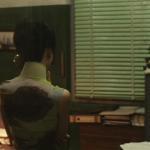
Yang, and I don’t mean Andrew, delivered. Yi Yi offers the sort of ruminative tone I want from a long watch (are we saying that now, like how teachers say “long reads”?). Equal parts sad and stirring, above all human, the movie maintains a studied, almost journalistic distance in its cinematography. We see grandmothers, grandchildren, broken fathers, and lost loves, observe them in wide shots from cranes and across parks. Yang obscures his characters with concrete buildings, windowpanes, and urban overgrowth. Visually, we never feel we have access to them. We remain cut off from them as they so often are from their feelings.
Yet, the movie is, if nothing else, a feast for the sensitive viewer. It runs on parallels, emotional and actual. Yang intercuts a son’s first date with his father’s recitation of his own, sweaty palm for sweaty palm. Each layer, revealed only slowly as the viewer begins to make sense of the many names and players, deepens the effect until the smallest moments bear the weight of generations of history.
And is that not life? So much of Yi Yi concerns the counterweights of public and private life. We come home to messes that defy easy explanations, accretions of decades of suffering, mistrust, and regret, only to have to make decisions at work. Coworkers don’t want to hear your life story. They need files now, ask for ever more, concerned as they are with their own lives. So, when we break, when we can no longer bear it, we seem insane. Small things crack us. Memories rush in invisibly and collapse the whole edifice of our public selves. Yi Yi asks us to study how that happens, invites the viewer’s empathy with one web of stories among billions.
There is something dare I say “Christmas-y” about that invitation. Again, I return to the soft light in the penetrating darkness. I pray I may carry Yi Yi with me through the season, may reflect on my own flaws, vulnerabilities, and hopes, may recognize and heal them in others.
Turns out three hours wasn’t much at all, a small price to pay for a flicker of awareness and warmth toward mankind.














 Ad-Free & Subscriber Log-In