

In the year 325 AD, about 300 bishops of the early Church gathered in the city of Nicea, located southeast of the new imperial capital of Constantinople. The reason for the unprecedented gathering of bishops was to clarify the relationship between God the Father and Jesus Christ.
1700 years later, the vast majority of Christians continue to profess the faith as it was expressed in the Nicene Creed. Jesus is of the same substance of the Father, God from God, light from light, true God from true God. Jesus is not similar to the Father, but of the same substance, that is, the divine substance.

Pope Leo XIV will travel to Nicea later this year along with the Ecumenical Patriarch of Constantinople Bartholomew to commemorate the foundational role of the work of the very first ecumenical council.
Jesus promised that the Holy Spirit would guide the Church, and in doing so, would teach and reveal things to her. Through the work of ecumenical councils where bishops gather in prayer to respond to questions of the faith, the Holy Spirit has time and time again manifested Himself. Nicea held a second council in 787 AD where the bishops determined that it was permissible to venerate icons or images of Jesus and the saints.
Today, Nicea is located in Turkey, the city now called Iznik. Perhaps more famous for its beautiful blue tiles iconic of Ottoman mosques and other structures, Iznik silently displays its rich Christian history. It is interesting to consider that today, in the city that clarified the divinity of Jesus Christ, most of its inhabitants deny his divinity and consider him only a prophet of God.
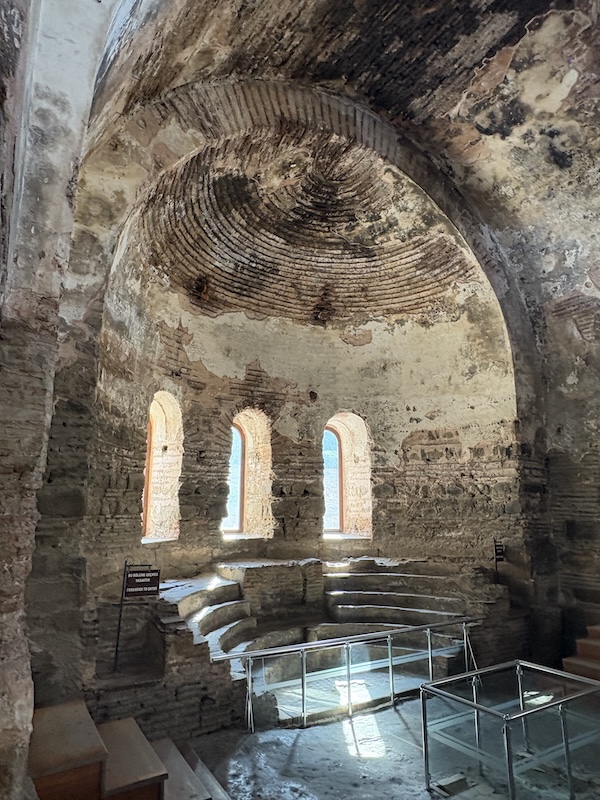
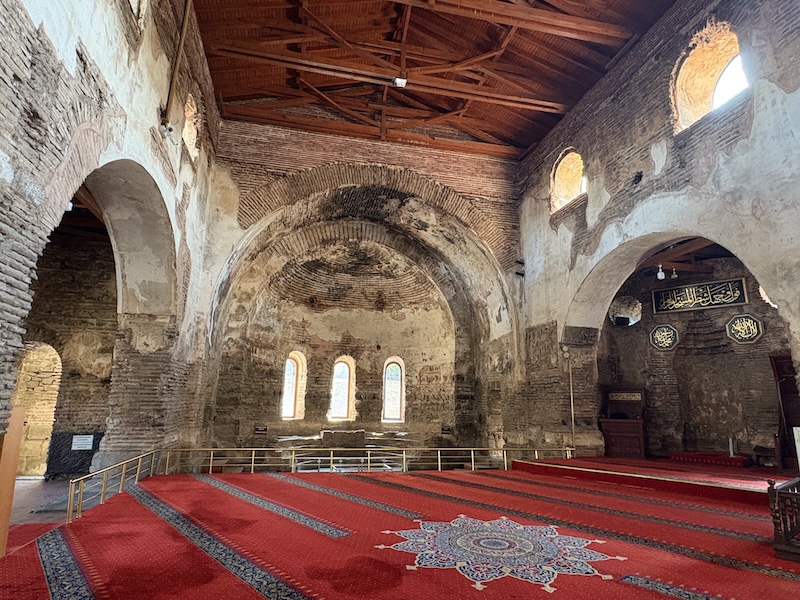
Though no structures exist from the time of the first council, one can visit the Hagia Sophia Mosque in the main square of town. Built in the 6th century over a smaller 4th century church, this church hosted the 2nd ecumenical council of Nicea in 787. The church was converted into a mosque during Ottoman Rule, became a museum in the early 20th century, but was reverted to a mosque in recent years.
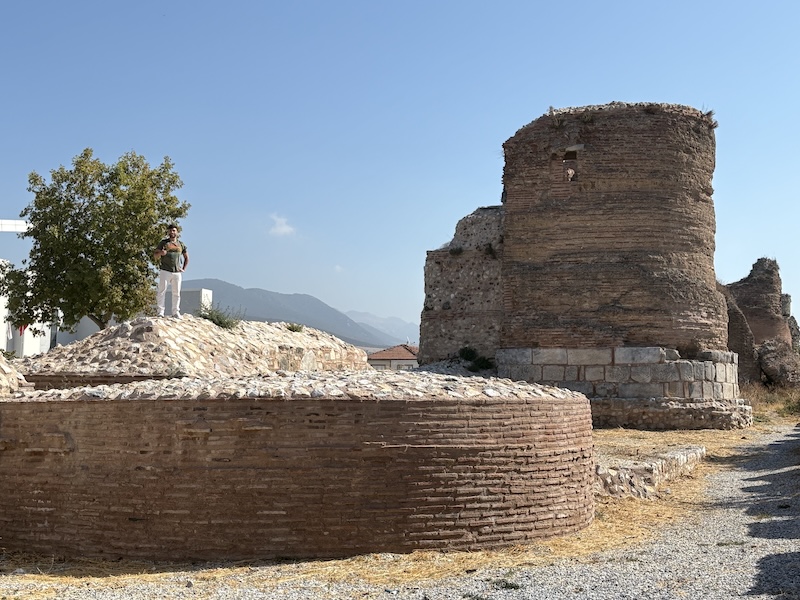
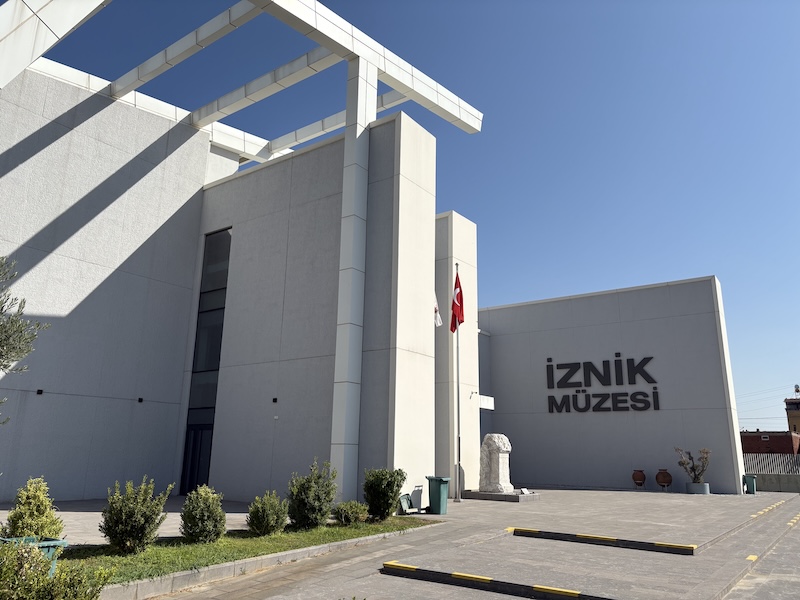
Ancient Nicea is now a sleepy agrarian town on the shores of a beautiful lake. A quick visit reveals glimpses of its significant Christian past, including the local Iznik Museum by the ancient city walls where a few panels are dedicated to the important role of the city in the development of Christian doctrine.





 Ad-Free & Subscriber Log-In