

The God, the divine masculine lives in all of us—not as dominance or detachment, but as presence, protection, and purposeful action. Just as the goddess archetypes rise and fall with the turning of the Wheel, so too do the gods within us awaken, mature, and retreat in rhythm with the seasons.

These archetypes are not bound by gender. They are energies, invitations, and mirrors. They offer us ways to embody courage, clarity, devotion, and depth. In a world that often distorts masculinity into control or suppression, these sacred expressions remind us of the beauty of balance, the power of tenderness, and the wisdom of aligned strength.
Let us walk the wheel —this time with the gods at our side.
Spring Gods: Emergence with Hermes and Eros
Spring is the season of movement and flirtation. The earth stirs, ideas spark, and life begins to play. Hermes, the messenger god, dances through this season with winged feet and a mischievous grin. He is the archetype of curiosity, communication, and liminal space. He invites us to speak our truth, follow synchronicities, and move between worlds.
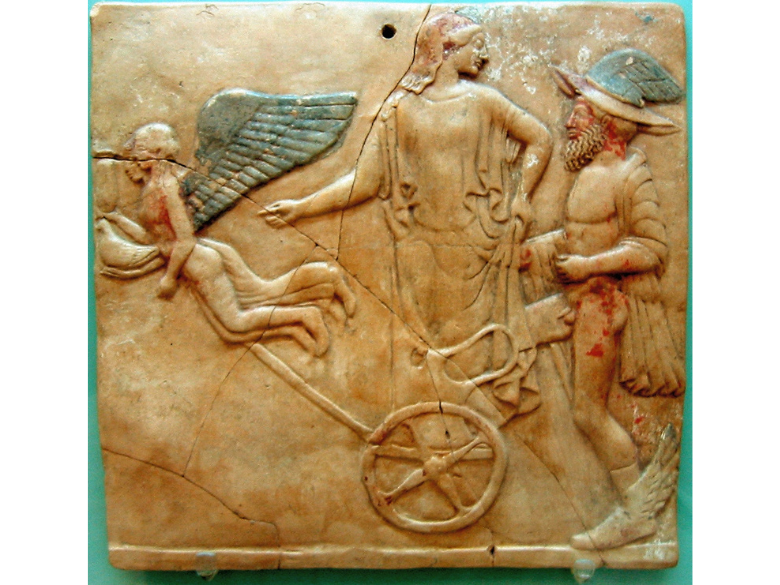
This is a time to ask: What messages am I receiving? What paths are opening? Hermes supports rituals of writing, travel, and divination. He reminds us that magic often arrives in motion.
Eros also awakens in spring—not just as sexual desire, but as the life force that draws us toward connection and creation. His archetype is raw, radiant, and deeply alive. Eros teaches us to honor longing, to embrace vulnerability, and to let beauty move us.
Together, Hermes and Eros offer a playful, potent beginning. Spring rituals might include poetry, flirtation, or planting seeds with intention.
Summer Gods: Sovereignty with Apollo and Dionysus
Summer is the season of radiance and revelation. The sun is high, and the masculine archetypes stretch into their full expression. Apollo stands tall here—god of the sun, music, prophecy, and order. He is the archetype of clarity, discipline, and divine purpose. Apollo invites us to shine with integrity, to speak with wisdom, and to lead with light.
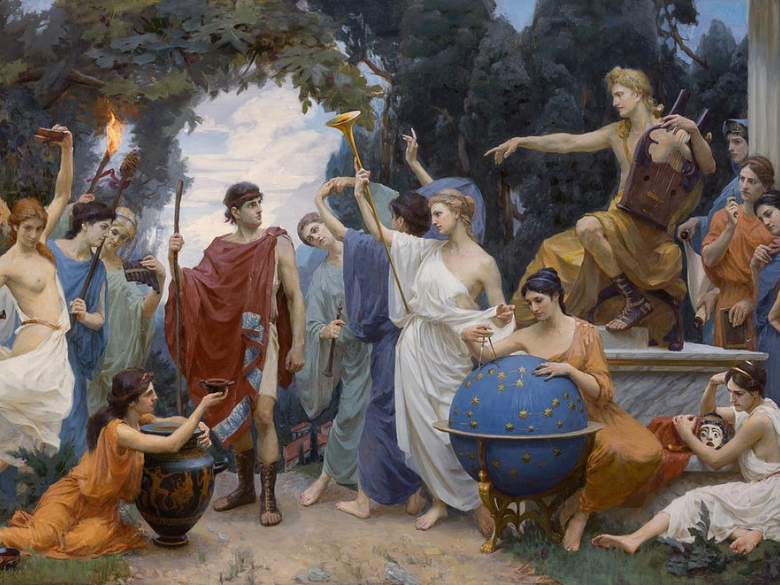
This is a time to ask: Where am I called to lead? What truth wants to be sung? Apollo supports rituals of goal-setting, creative expression, and solar celebration. He teaches us that structure can be sacred.
But Dionysus also rises in summer, swirling in ecstatic contrast. He is the god of wine, madness, and liberation. His archetype is wild, emotional, and transformative. Dionysus invites us to break the rules, to feel deeply, and to surrender to the mystery.
Together, Apollo and Dionysus offer balance—between order and chaos, reason and feeling, control and release. Summer rituals might include dance, celebration, or sacred rebellion.
Autumn Gods: Reflection with Hephaestus and Hades
Autumn is the season of harvest and descent. The divine masculine turns inward, becoming quieter, deeper, and more reflective. Hephaestus, the god of the forge, works patiently here. He is the archetype of craftsmanship, resilience, and inner fire. He teaches us to build with care, to transform pain into beauty, and to honor the sacred in labor.
This is a time to ask: What am I refining? What has been forged through challenge? Hephaestus supports rituals of creation, repair, and ancestral honoring. He reminds us that brokenness can become art.

Hades also walks the autumn path, ruler of the underworld and keeper of hidden wealth. His archetype is sovereign, mysterious, and deeply rooted. Hades invites us to face our fears, to claim our inner authority, and to honor what lies beneath.
Together, Hephaestus and Hades offer depth and dignity. Autumn rituals might include shadow work, altar building, or storytelling around the fire.
Winter Gods: Stillness with Kronos and Poseidon
Winter is the season of silence and surrender. The divine masculine becomes vast, slow, and timeless. Kronos, the god of time, holds this space. He is the archetype of patience, legacy, and the long view. Kronos invites us to rest, to reflect, and to honor the cycles that shape us.
This is a time to ask: What endures? What wisdom have I earned? Kronos supports rituals of journaling, ancestral connection, and seasonal retreat. He teaches us that time is a teacher, not a tyrant.
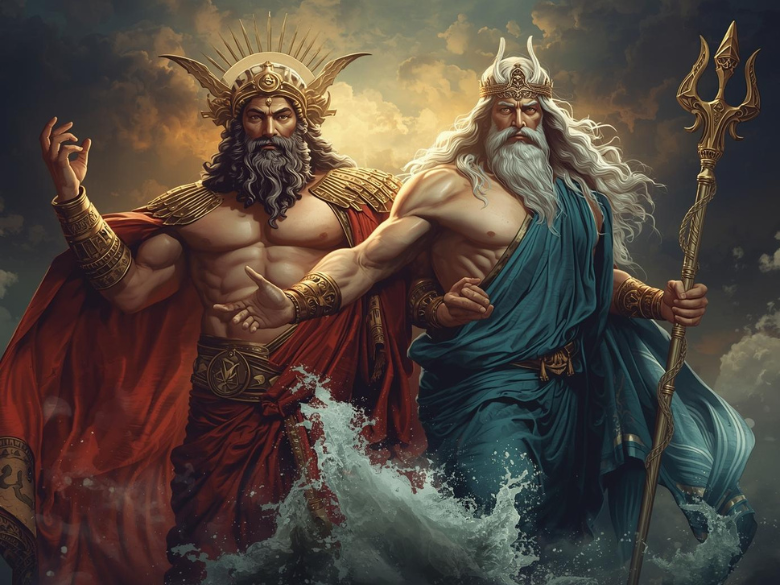
Poseidon also stirs in winter’s depths—god of the sea, emotion, and intuition. His archetype is powerful, unpredictable, and profoundly emotional. Poseidon invites us to feel what we’ve buried, to listen to our dreams, and to trust the tides within.
Together, Kronos and Poseidon offer a sanctuary of depth. Winter rituals might include dreamwork, water blessings, or quiet communion with the soul.
Integrating the Masculine Cycle
These seasonal archetypes offer a rhythm of embodiment—ways to live the divine masculine in balance with the goddess within. You might explore them through ritual, journaling, art, or community practice.
Here are a few ways to bring these gods
into your spiritual life:
– Seasonal altar building: Include symbols, colors, and offerings for each archetype.
– Embodied practice: Move, speak, or create in ways that reflect the seasonal energy.
– Community circles: Invite others to explore their relationship with divine masculine energies.
– Ritual storytelling: Share myths and personal reflections that bring the archetypes to life.
This cycle is not about performance—it’s about presence. It’s about honoring the sacred masculine as a living force of love, wisdom, and transformation.








 Ad-Free & Subscriber Log-In