

Our ancestors are often at the forefront of our minds this time of year. We’ve just celebrated Samhain and my Norse kindred just held our Winter Nights’ ritual last night. November 1st is Dia de los Muertos and All Saints Day. We spend a lot of time remembering our ancestors and beloved dead. As humans, we spend a lot of our time thinking about the past and the future, but we are not particularly good at thinking about the present. When we think about our ancestors, we don’t always consider the fact that we, too, are ancestors.
I’ve never met Robert Fulghum, the author of many books but most famously the author of “All I l Need to Know I Learned in Kindergarten.” We live in different places, move in different circles, and share no direct connection in this life. And yet, he is family. Distantly, yes—but still part of my lineage. And when I read his work, I feel proud. Not just proud of his words, but proud that someone from my ancestral line has contributed something meaningful to the world. His writing brings honor to our shared roots, and in some quiet way, it feels like a gift to me, too.
How Do We Honor our Ancestors?
This got me thinking: What does it mean to bring honor to our ancestors? And how do we live in a way that makes others proud to know us—not just in the present, but across generations?
We often talk about legacy in terms of what we leave behind. What kind of world will we pass on to our children? What systems, stories, or structures will endure? But legacy isn’t just about the future, it’s about how we live now. It’s about the choices we make, the energy we carry, and the impact we have on the people around us. It’s about whether our presence uplifts others, whether our work reflects our values, and whether our lives become a source of pride for our communities.
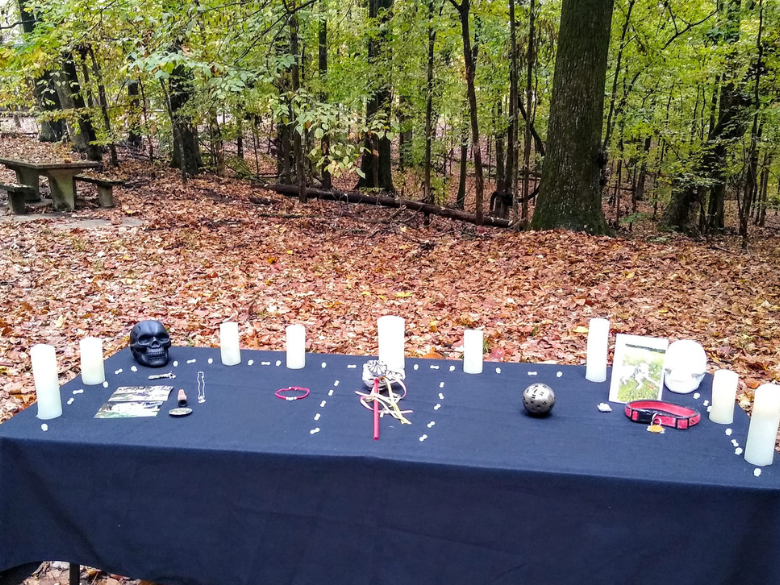
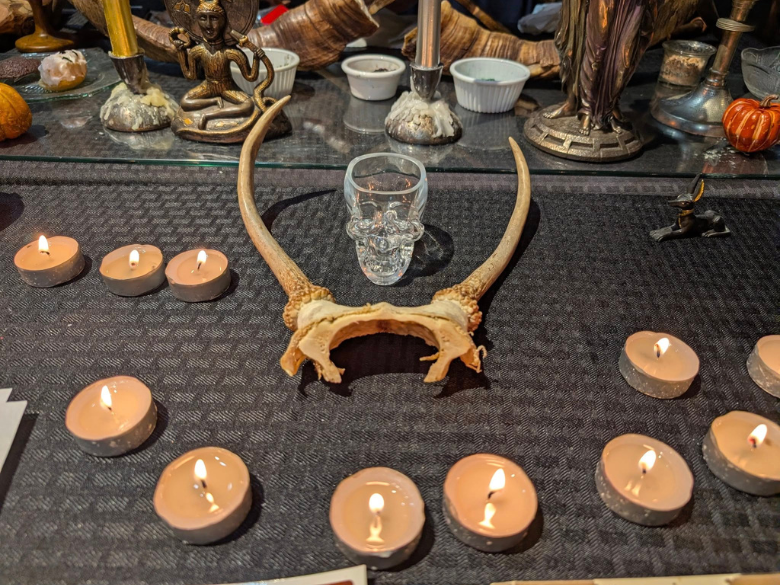
In many spiritual traditions, honoring the ancestors is a sacred act. We light candles, build altars, speak their names. But honoring them isn’t just about ritual, it’s also about embodiment. Honoring our ancestors is living in a way that reflects the strength, wisdom, and resilience of those who came before us. It’s about asking ourselves what would make my ancestors proud? What would make them feel seen, respected, or redeemed through my life?
We Are the Ancestors
We will become the ancestors. One day, someone may speak our names in reverence. They may trace their lineage and find us; our stories, our work, our choices. What will they find? What kind of ancestor will we be?
The journey to becoming an ancestor isn’t about perfection. It’s not about being famous or flawless or universally admired. It’s about integrity. It’s about living with intention, showing up with compassion, and creating something—anything—that reflects our truth. This journey is about being the kind of person others feel grateful to know. The kind of person whose presence brings warmth, clarity, or courage. The kind of person whose legacy is felt not just in what they did, but in how they made others feel. So how do we do that? How do we live in a way that brings honor to our lineage and pride to our circles?
We start by asking deeper questions. What do I stand for? What do I want to be remembered for? How do I show up in my relationships, my work, my community? Do I elevate others when I rise, or do I leave them behind? Do I speak truth even when it’s hard, or do I stay silent to keep the peace? Do I create space for healing, growth, and joy or do I perpetuate harm, even unintentionally?
We are the Web
Start small. We begin this journey by showing up for people. We offer kindness without condition. We create art, rituals, or conversations that nourish the soul. We take responsibility for our healing, knowing that every wound we tend is one less burden for the next generation. We build bridges. We tell stories. We listen. We love.
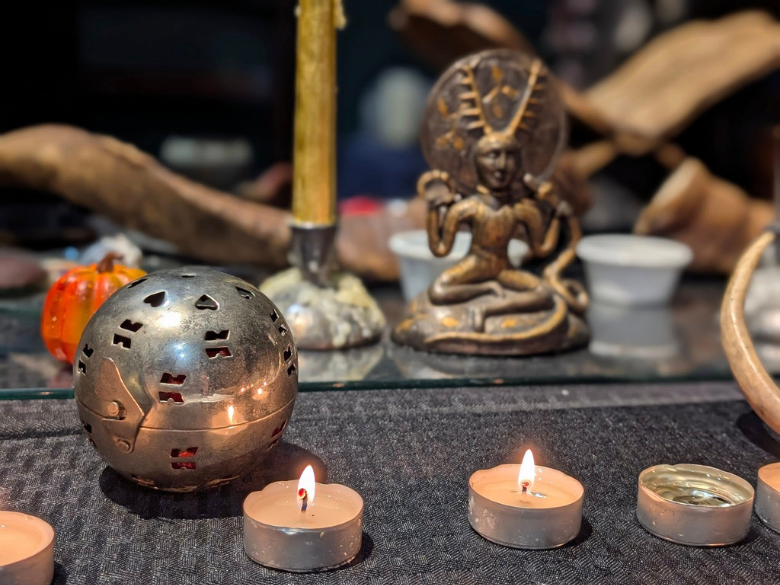
And we remember that our lives are not isolated. We are part of a web—ancestral, communal, cosmic. Every choice we make ripples outward. Every act of courage, compassion, or creativity becomes part of the collective memory. Every time we choose integrity over convenience, love over fear, or truth over illusion, we strengthen the thread.
What Kind of Ancestor Do You Want to Be?
Robert Fulghum may never know that his work made me feel proud of our shared lineage. But that’s the beauty of legacy—it doesn’t require recognition. It simply requires presence. And purpose. And the willingness to live in a way that honors both where we come from and where we’re going.
So today, I ask myself—and I invite you to ask too: What kind of ancestor do I want to be? What kind of legacy am I weaving, moment by moment? And how can I live in a way that brings honor—not just to myself, but to my people, my path, and the generations yet to come? Let us become the ancestors that we wanted and the ancestors that the world needs.








 Ad-Free & Subscriber Log-In