

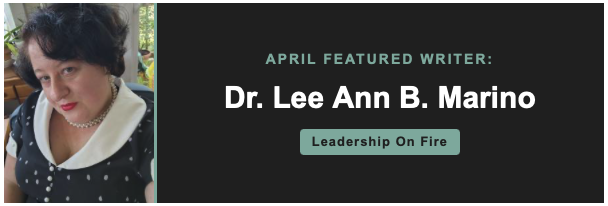
 Dr. Lee Ann B. Marino, Ph.D., D.Min., D.D. (she/her) is affectionately known as “the Spitfire” and “everyone’s favorite theologian.” She has served in ministry since 1998, was ordained as a pastor in 2002 and an apostle in 2010, and founded what is now Sanctuary Apostolic Fellowship Empowerment (SAFE) Ministries in 2004. Today she serves as founder and Overseer of Sanctuary International Fellowship Tabernacle (SIFT)—the original home of National Coming Out Sunday—and Chancellor of Apostolic Covenant Theological Seminary (ACTS). Her expertise spans leadership training, queer and feminist theology, general religion, and apostolic theology, resonating with Gen X, Millennials, and Gen Z alike.
A history maker in her own right, Dr. Marino has spent over two decades in advocacy, education, and ministry within minority spiritual communities, including African American, Hispanic, and LGBTQ+ congregations. Her work now extends to over 150 countries through the Kingdom Now podcast, which ranks in the top 20 percentile of all podcasts worldwide. She is also the author of more than 35 books—five of which have been bestsellers—and writes the popular Patheos column Leadership on Fire.
When asked what she enjoys about contributing to Patheos, Dr. Marino said, “First and foremost, I love writing about religion, religious subjects, and things that enhance faith in others. Having the chance to do this on a forum, one that is as prominent as Patheos, is a huge honor. It’s also great to write alongside other writers. Seeing the things we have in common as well as our differences helps to inspire my own interests in writing about essential matters of faith and gives great ideas for new areas of faith to explore.”
Dr. Marino offers this advice to future Patheos writers: “Before you decide to publish any writing, do your research. One of the things I appreciate about Patheos is that it makes writing about religion accessible to the average person. There’s a great deal of information available online about spiritual matters, but they’re not always accurate. Religion isn’t a static experience. While the fundamentals of religion often stay the same, the dynamics of religion are always changing. The way we interact, feel, and approach religion changes with the advancement of new information and societal adaptations and growth. Don’t let your writing reflect something distant. Let your passion for religion—and its understanding for right now—show in your writing to Patheos readers.”









 Ad-Free & Subscriber Log-In