


A Theology of Trauma, Grace, and Brokenness
Whenever Jeff Buckley’s “Hallelujah” begins playing, I don’t listen for comfort or enjoyment. The song returns to me as a searchlight, illuminating who I am and who I was before I had the words to name the dark.
As it opens, something inside me fractures with it. In the autonomic spaces that exist beyond belief, language, or pity, memories surge forth: empty pews, obtuse classrooms, hallways of abuse, promises broken and kept, the love that saved me and love that nearly destroyed me.
This is not nostalgia. It’s exposure.
Buckley sings the song differently than Leonard Cohen, and it makes all the difference. He lifts the secret chord, the baffled king, the testimony of shame and desire, and transfigures it into something brutal and luminous.
The brightness does not soothe. It unmasks. With each proclamation, he strips my interior defenses away, breathing life into grief I once believed I had disciplined into silence.
The song does not explain nor console. Regret shivers through me not as memory but as atmosphere, something I breathe, something I cannot escape.
Yet still, I listen.
Morality and Memory
Materializing with each festive chime are every person I have ever loved, the tender and the broken, those I failed and the ones whose failures cannot be counted. Even the dragons who once tried to devour me rush headlong across the thin facade of that plucked melody, appearing without warning, uninvited, inescapable.
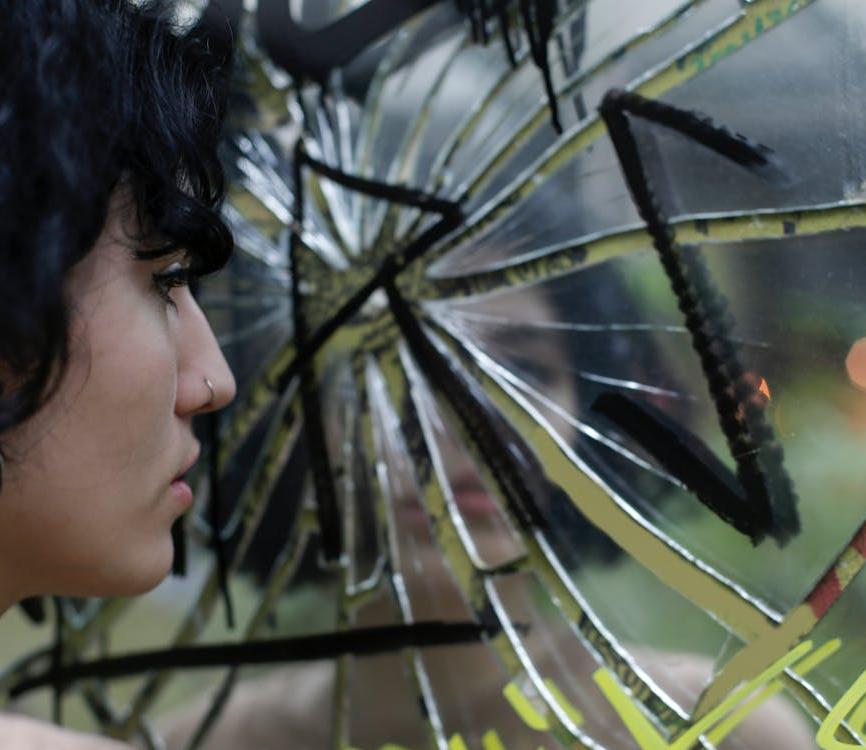
Memory does not obey our artificial morality. It refuses to blame, justify, absolve or condemn. As the song unfolds, fragments of my past assemble, and before my weeping eyes, devotion and betrayal preternaturally fuse into a single, horrifying visage, a face I recognize as my own.
Beneath the thinly veiled lyrics lay a blood sacrifice, an altar of damnation I built from the fragments of my relationships. This holy and cursed place bears witness to all that I have done and all that I have survived, pressing into my lips a single word, a celebration of my emancipation and condemnation.
All of our experiences cry out chaos in hallelujahs that cannot be silenced. No matter what you believe, praise and accusation rise in chorus together whenever your unbounded memory sings.
“My faith was strong but you needed proof” isn’t poetry, but an indictment that demands proclamation, giving a name to the unspeakable struggle between desire, fear, and survival that marks us all.
I cannot hide behind faith. It does not shield me from consequence, nor does it resolve the contradictions that shape my life. It cannot undo what has been done, nor protect me from what remains.
Faith cannot rescue me.
Wounds and Participation
“Hallelujah” is neither comfort nor triumph. It is participation. The sacred and the profane collide in living, relational chaos, where meaning cannot always be found, and reason is confounded.
My wounds still bleed. They are tender, raw, and alive. Irrevocable, they scream from every particle of my soul. They throb without remorse and cannot be silenced.
There is a dangerousness in that which is beautiful.
The radical truth of “Hallelujah” elevates human relationships to be sacramental: love, betrayal, fidelity, and rupture anchor the awesome weight of holiness.
Every syllable of Buckley’s sermon pulls me from darkness into light, shattering the lie that shame defines me.
Singing along inside this new freedom, I discovered a new identity, one alive with hope that is not fleeting superstition but a root locked in lament, a bloom of joy, and a presence that will never fade: Hallelujah!
A Theology of Catastrophe
This is a theology of catastrophe, an open theodicy pulsing in real time.

Grace is not intervention. It is choice made flesh. Love that does not spare us, but pushes us into reality.
A Hallelujah that breathes grace is magnificent yet terrifying because it is there even when we hide, and it delivers presence in exactly the places we try to avoid.
We all have those places inside, where our deepest secrets lie in wait like a coiled serpent.
And so I listen to the strumming, and my world crashes in around me.
And while whispering a broken “Hallelujah” may seem like madness to some, celebrating the cause of our grief is choosing to live in open presence without judgement, to live in the same spaces that so many choose to die.
Because living requires more than dying every day.
God’s participation demands response, not performance, not certainty or resolution. A life can be vibrant and broken at the same time.
So, hallelujah: grief belongs here. So does anger and pain.
This is participatory grace, freely given, no strings. Crying “Hallelujah” in the face of all the darkness the world can muster heralds a remarkable gift of life over death.
But this gift does not erase the darkness. Shadows remain, and cruelty and evil dance across the world we inhabit.
Harm and Betrayal
God does not prevent harm. God does not correct injustice. God does not reward virtue.
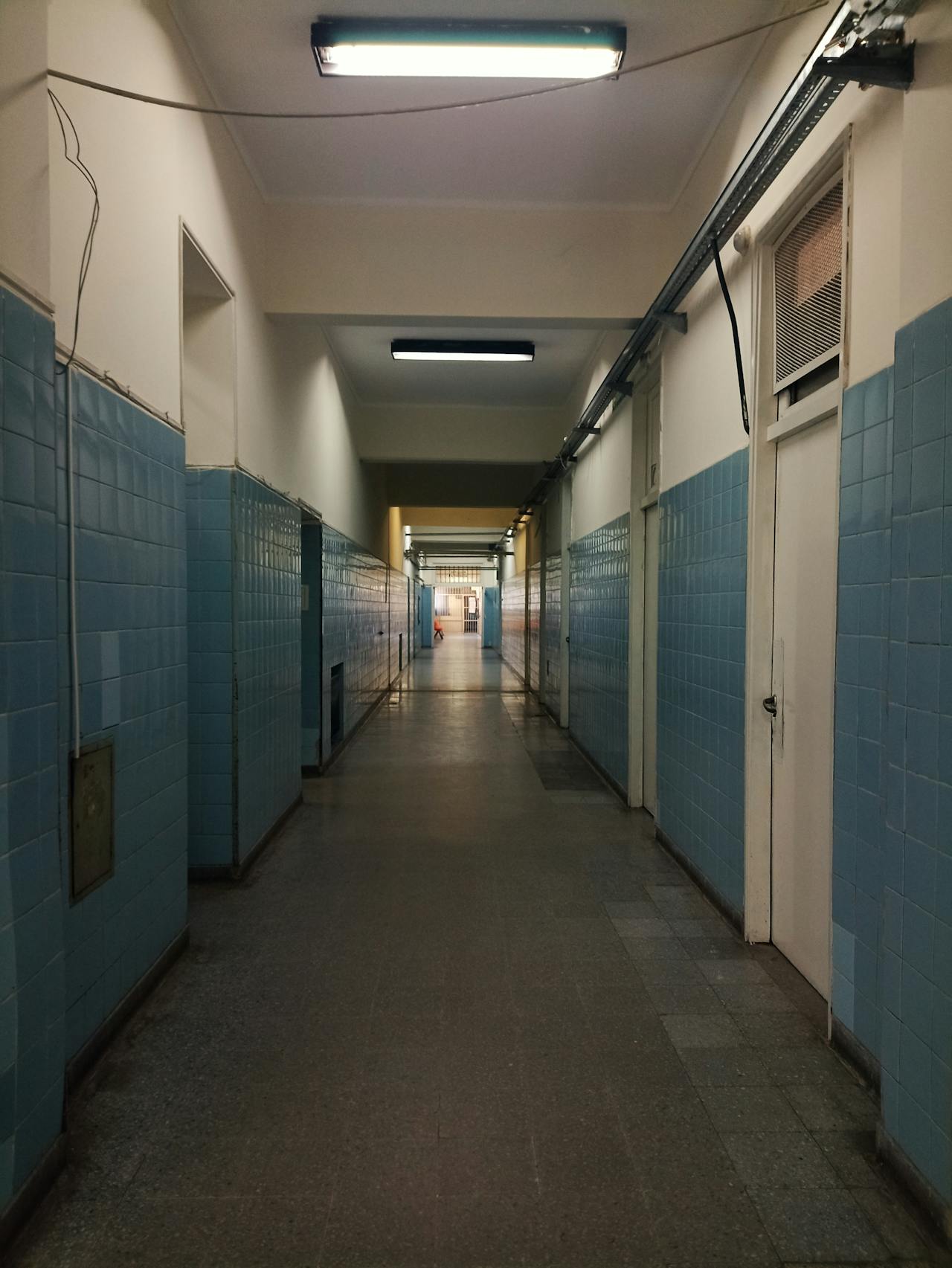
Abuse begins as a villainy of whispers and misdirection, trust masqueraded and weaponized. When I was four years old, a woman I encountered through the church groomed me, wielding the institution itself as an instrument of violation no less than the tip of the Lady Clairol bottle she employed. Even today, those early wounds, which cannot heal, shape my relationships through fear and shame.
By the time I discovered a close family member was a predator, I felt surrounded by depravity. Our estrangement has left me orphaned among the wreckage of my memories. I am undone, contaminated, betrayed. Infuriated. Anger, reckless and lethal, presses against pieces of my heart. And then all of a sudden, it is inside me, and I am it.
But I am not alone.
And rather than a cry of vengeance, from my lips comes Hallelujah.
“Hallelujah” is a state of perpetual apocalypse, the collapse of everything I thought I controlled, everything I thought I knew. Safe in the womb of crisis, I am accepted instead of forsaken, known rather than unseen, and though all the evil that pollutes our world remains, I am certain I will never be alone.
The song is sometimes hard to hear. In those times, the Hallelujah that I need the most must find its voice through me.
It’s broken. Sometimes it’s a whisper, and other times a scream. But in these terrible times, nothing can stop stop me from singing “Hallelujah.”
Witness and Grace
It’s through tragedy that God is witness to my life. God is relentless relationality, an insistence that truth must be spoken, even when those words are frightening.
Every “Hallelujah” rises from the aftermath. It is not resolution, but revelation. The minor fall and the major lift are inseparable.
Not redemption. Not triumph. Not absolution. Just existence. My life as it is, marked by horror and endurance, held together not by answers, but by presence.
And I name the Hallelujah there, in every chasm and wound, in a love that rescues simply by its unfailing presence in the broken spaces of my life.











 Ad-Free & Subscriber Log-In