


A Decade of Deconstruction: I Don’t Need God, I Need People
I experienced a confusing set of circumstances in my life. I was treated badly, but there were some good people around me. I made both good and bad decisions, then realized I was missing something. I found Jesus, and He filled the hole in my heart, and now I want to help others find the same. That was my story.
We like to think there is a day of transformation when we were once lost and now, we are found. When we were blind, now we can see. But if we’re honest with ourselves, there wasn’t really a day when everything changed. That might have been the moment we started to change, but no one moves from deserving hell to being admired by heaven in just one instant. It wasn’t that an invisible being zapped us into holiness; it was more of a process.
For 20 years, as a pastor, I observed the lack of evidence for such a claim. People don’t just change by becoming believers, and often, they change very little. They might change addictions, clean up a bit, and stop swearing, but that’s primarily influenced by peer pressure rather than anything deep or magical.
Caregivers and Attachment
BrightQuest Treatment Center offers this explanation:
Attachment trauma is a disruption in the important process of bonding between a baby or child and his or her primary caregiver. This trauma may be caused by overt abuse or neglect, or it may be less obvious—such as a lack of affection or response from the caregiver. Attachment trauma can occur if there are traumatic experiences in the home while a baby is forming the bond, and it may also result from the absence of the primary caregiver, such as due to divorce, serious illness, or death.
Without this attachment and care, a child can face serious consequences, and disruptions in this process can lead to trauma and challenges later in life. Often, we introduce the idea of God into the conversation to ease some of the tension around this topic. However, mothers and caregivers who do not regularly follow any deity still raise healthy, well-adjusted children. I have also never heard of a situation where a mother abandoned her child, and God raised that child and provided for its attachment needs. If God exists, He either does not want to fulfill this role or is unable to do so.
Do we need God?
Even if my mother and I have issues, we have a more profound attachment than that.
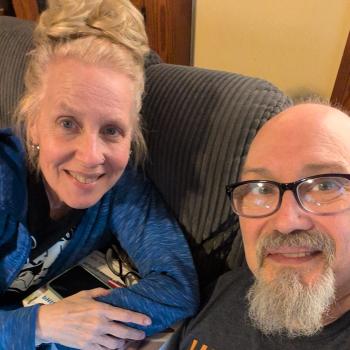
Tomorrow is Sunday. Today, we picked cucumbers and tended to the garden. We cleaned, watched TV, and discussed important matters related to our communication. We finished half of a 1000-piece puzzle and glued another one to hang on the wall. Tomorrow, we’re driving to pick up the grandkids, and Laura has plans for them. They will play and stay overnight with us. We’ll spend time together with my daughter’s family when they pick up the kids. We won’t need God to do anything this weekend; we need each other to connect, bond, and grow together.
Creation and a Needy God
We don’t need a god; we need people.
For 8 years, we haven’t needed God, haven’t gone to church, haven’t given money to the church, and haven’t prayed to any being called God. Some things happened, and our mental health improved because we started counseling and practicing other things that helped us get better. We haven’t been re-traumatized by a church or Christians because we chose to connect with what is best for us!
But we still need people, so we are learning about the brain, how it works, and how trauma affects us. We volunteer at conferences where we learn even more about trauma and the brain, which helps us support others better. We spend time together, as we will tomorrow, instead of going to church with people who wouldn’t hang out with us if we stopped attending.
We don’t need a god; we need people.
Consider one last story.
A boy whose parents abused him ends up in an orphanage. He struggles with life, goes to jail, and doesn’t “meet God,” but he meets a man who connects him with another man who employs ex-cons. After his release, the young man reconnects with him, gaining experience, wisdom, and real help through counseling and therapy. He begins to excel at carpentry and eventually starts his own business. Even if he finds religion, it’s the support and assistance he receives from people that genuinely make a difference.
If we understand that attachment and trauma awareness solve more problems than religion, we can eliminate most elements of religion. We could redirect all the money spent on religion to create a nonprofit that helps people like him in every neighborhood. We could replace unnecessary things with essentials. Instead of pastors, church buildings, and worship services, we could develop programs that genuinely foster connection. Most of our practices could be replaced with mindfulness and meditation rather than praying to a god with communication issues.
What about spending time with people? My relationship with my family of origin and the suffering I endured during 20 years in the ministry were quite tricky. What if I had spent that time actually being with my extended and immediate family? What if we had focused on understanding how our brains work and how our trauma response systems activate, instead of studying the books of the Bible?
I suppose I would be substantially more whole, just like I am becoming now in my journey of deconstruction.
We don’t need a God; we need people.
Karl Forehand
Learn to be Where You Are (Presence)
Learn to be Who You Are (Authenticity)














 Ad-Free & Subscriber Log-In