2023-04-15T17:21:06-05:00

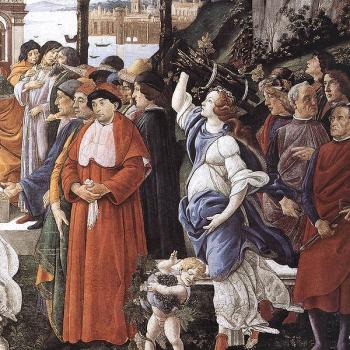
The reign of Pope Sixtus IV, 1471 to 1484, is still felt in Rome today. He was one of the most significant of the Renaissance Popes, along with his predecessor Nicholas V and Julius II, who came later. The reign of Sixtus also was marked by some of the best and worst traits of the papacy. Pope Sixtus IV’s legacy includes both the Sistine Chapel and the Spanish Inquisition. Together, the succession of popes who reigned during the Italian Renaissance... Read more
2023-04-14T10:29:04-05:00

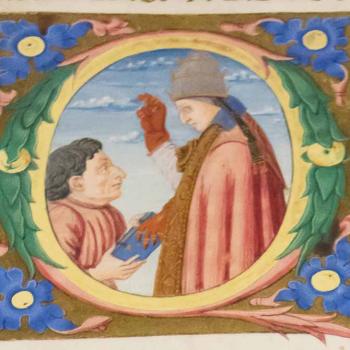
The Renaissance popes made Rome what it is today. In spite of its previous existence as the magnificent capital of the Roman Empire, medieval Rome was barely a city at all. Historians tell us that the Rome of the Middle Ages  was little more than linked villages clustered around the Tiber River. The remnants of earlier Roman civilization — the Colosseum, the Pantheon, the Forum — were long abandoned except as quarries for building material. Farm animals and homeless humans... Read more

2023-04-10T10:55:07-05:00

The Italian Renaissance was one of the shining jewels of human history. The Renaissance itself began in Tuscany, especially in Florence, in the late 13th century, although the great age of Italian Renaissance art was the 14th through 16th centuries. And by then the Renaissance was spreading to other parts of Europe. This post will be a very basic, broad overview of the origins of the Italian Renaissance and the role of religion in those origins. The Italian Renaissance brings... Read more

2023-10-30T20:08:04-05:00

The fallout from the recent Michelangelo’s David controversy continues. If you’ve spent the past month in a hermitage, here’s the story: The principal of a Florida Christian school lost her job because some parents were furious about an art appreciation lesson. The lesson included a photograph of the famous statue of the biblical David by the Renaissance artist Michelangelo. Some parents considered the statue “pornographic.” The lesson including the statue was for sixth graders, children aged 11 to 12, according... Read more

2023-03-31T14:04:43-05:00

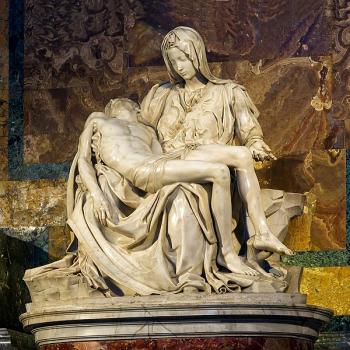
Of all the great works of art associated with the Crucifixion and Resurrection of Christ, the two most iconic must be the painting The Last Supper by Leonardo da Vinci and Michelangelo’s Pietà, a sculpture. These two masterpieces probably were finished within months of each other. It’s believed The Last Supper was completed in 1498, possibly 1499, and the Pietà in 1499 or 1500, give or take. And yes, the two artists knew each other, and by all accounts they... Read more

2023-04-02T10:20:26-05:00

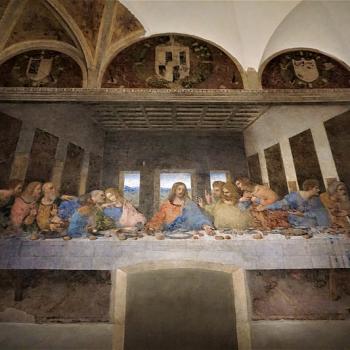
Leonardo da Vinci‘s The Last Supper has a surprising history. Even being asked to paint it may have been a surprise to da Vinci. The Duke of Milan Ludovico il Moro originally had commissioned him to produce a grand equestrian statue honoring the Duke’s father, Francesco Sforza. It was to be the largest bronze equestrian statue in the world. And the Duke had acquired 70 tons of bronze to make it happen. The artist prepared meticulously over a period of... Read more

2023-03-27T11:27:32-05:00

The Meiji Era, which began in the late 19th century, utterly upended Japanese Buddhism. Sweeping changes enacted by the Meiji Emperor, Mutsuhito (1852–1912) had devastating impacts on Buddhism in Japan. Leaders of the various Buddhist schools responded with their own reforms, but in many ways Japanese Buddhism never recovered. First, some historical background. Japan had been ruled by military leaders called shoguns since 1192. For centuries the emperors were figureheads with little real power. But the last shogun resigned in... Read more

2023-03-27T11:13:29-05:00

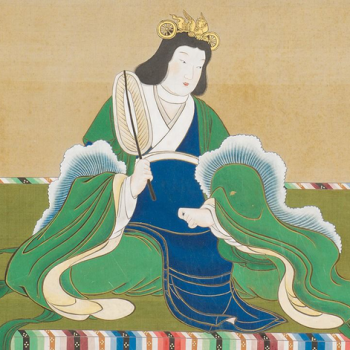
The Buddhist nuns of Japan, like their sisters in other parts of Asia, struggled against patriarchy for centuries. There are many ancient tales of women leaders and warriors in Japan, which suggests Japanese culture wasn’t always patriarchal. And as we’ve seen, after Buddhism was introduced to Japan the first monastic ordinations were given to women. Nevertheless, nyonin kinsei―“no admittance to women”―was the rule in Japan from at least the 8th century and several centuries after. This meant that nuns were... Read more

2023-03-18T19:00:51-05:00

The first Japanese Buddhist nuns were not welcome in Japan. It’s recorded that three Japanese women were the first people of Japan to receive any sort of Buddhist ordinations, as novice nuns, in the year 584. But Buddhism was a new and controversial religion in Japan. At least one powerful clan, the Mononobe, was against it. In 587, the Mononobe incited a mob to riot and destroy the nuns’ temple. The nuns were publicly defrocked and beaten. Somehow the three... Read more

2023-03-16T09:46:05-05:00

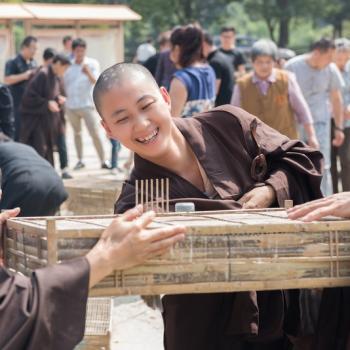
For centuries the only fully ordained Buddhist nuns anywhere were in east Asia — China, Korea, Japan, Vietnam, and Taiwan. The Theravada nuns orders of India and Sri Lanka faded away in the 11th century and were never revived. It appears nuns’ orders never reached Tibet and other parts of Asia until relatively recently. But the Mahayana nuns’ order of east Asia thrived through the centuries to the present day. And the Buddhist establishments in east Asia were no more... Read more

Follow Us!


TAKE THE
Religious Wisdom Quiz

Which book comes before Amos in the Old Testament?

Select your answer to see how you score.


Browse Our Archives