

Christmas and Yule: Ancient Connections?
Christians celebrate Christmas (the Nativity or birth of Jesus of Nazareth), the Christian Messiah, on December 25 every year. The Winter Solstice is on December 21. Pagans celebrate the Yuletide on the date of Solstice. In this article, we will discuss the connections among these things.
Before we can look at these connections, we need to clarify the terms we are using.
Winter Solstice
This phenomenon is the day when the pitch of the Earth’s axis is “wobbling” so that the northern and southern hemispheres experience a longest day (when the sun is angled directly) and a shortest day, (and longest night when the sun is angled to its maximum distance away.) Summer Solstice is on June 21 and Winter Solstice is on December 21 in the Northern Hemisphere. (In the Southern Hemisphere, they are reversed.)
From this day on until Summer Solstice, the hours of sunlight each day increase, with a corresponding increase in temperature so that the Winter Solstice was frequently interpreted by ancient peoples as the “return” or ‘rebirth” of the sun.

Yule or Yuletide
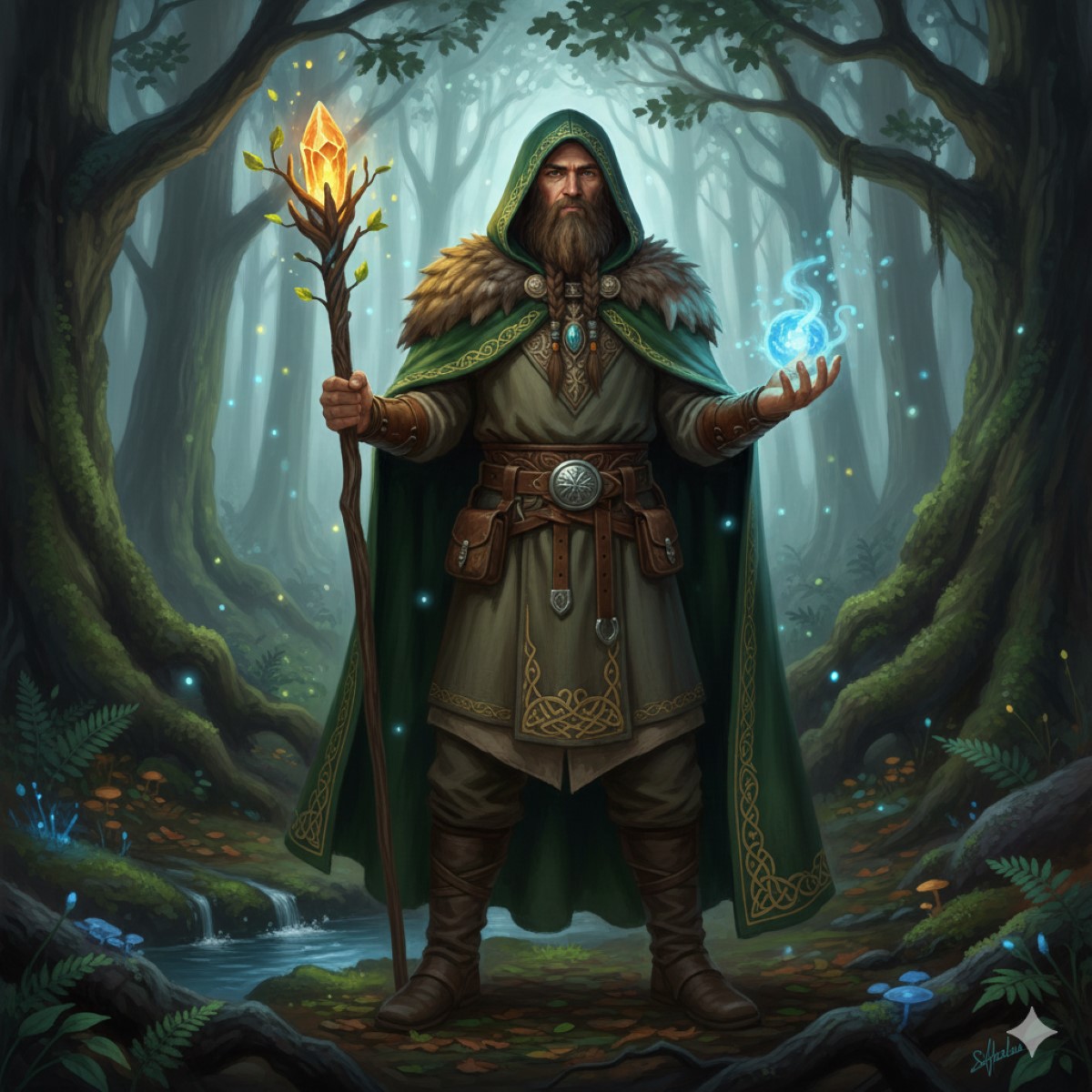
In ancient times, Norse and western European Germanic peoples and Celtic peoples celebrated a festival known as Yule, when these people celebrated the shortest day of the year and the anticipation of a warmer spring with the “reborn” sun.
For agrarian and hunting cultures, this turning point was the most crucial time of the year, symbolizing the promise of life, fertility, and the eventual spring after the deepest, darkest winter.
The connection between Yule and the Winter Solstice is fundamental: Yule is an ancient Germanic festival that historically centered on, and was named for, the period of the Winter Solstice.
Yule was celebrated by many traditions:
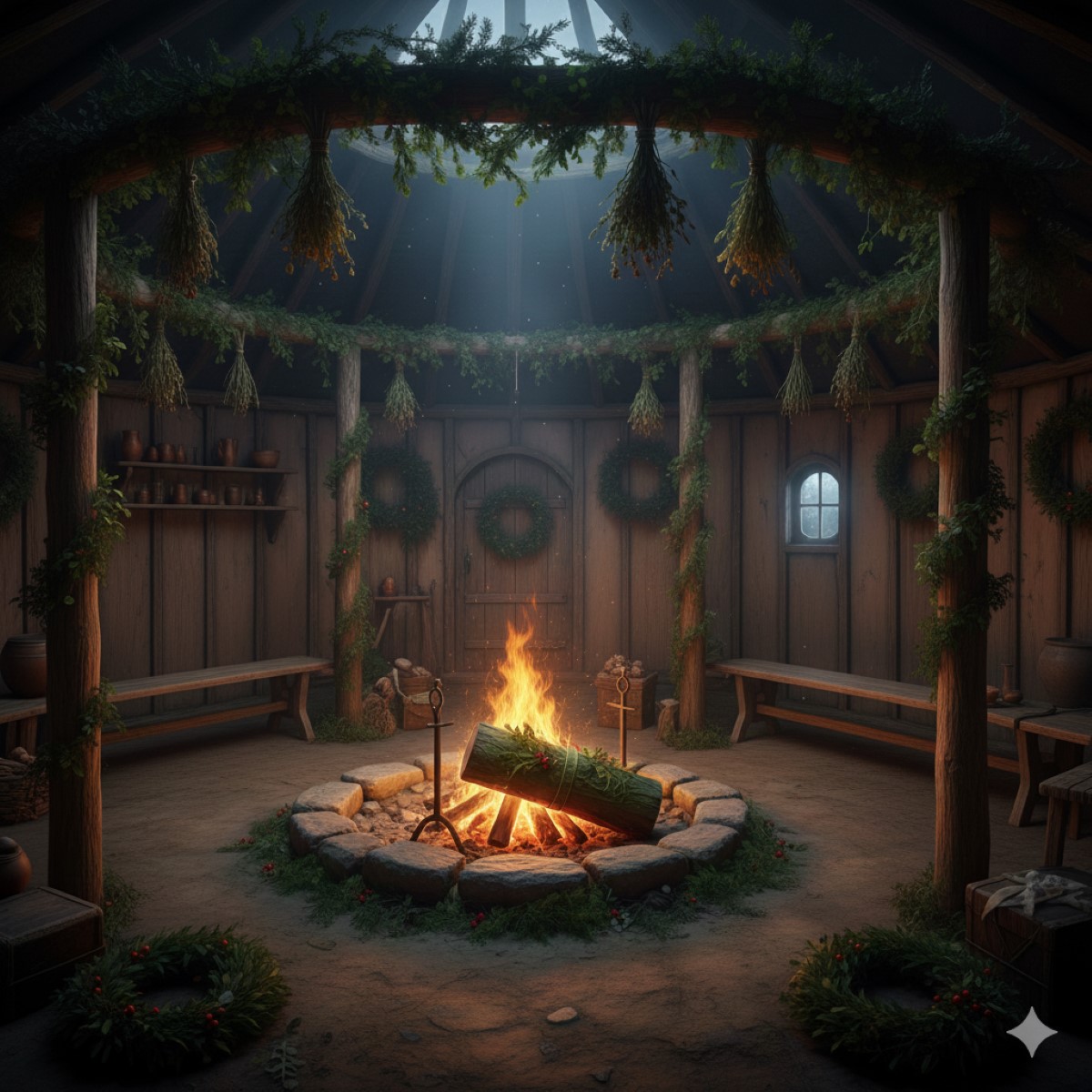
The ancient Europeans revered trees in particular and bonfires were lit to ward off the darkness and celebrate the return of the Sun. This particular ritual gradually evolved into the “Yule log,” a specially selected tree that was burned to ensure warmth throughout the longest night of the year.
Similarly, evergreen trees were mounted in the corners of homes and longhouses and were decorated with pieces of food, runes, statues, and strips of cloth. These trees are still erected in the living rooms of modern observers of Christmas.
Christmas
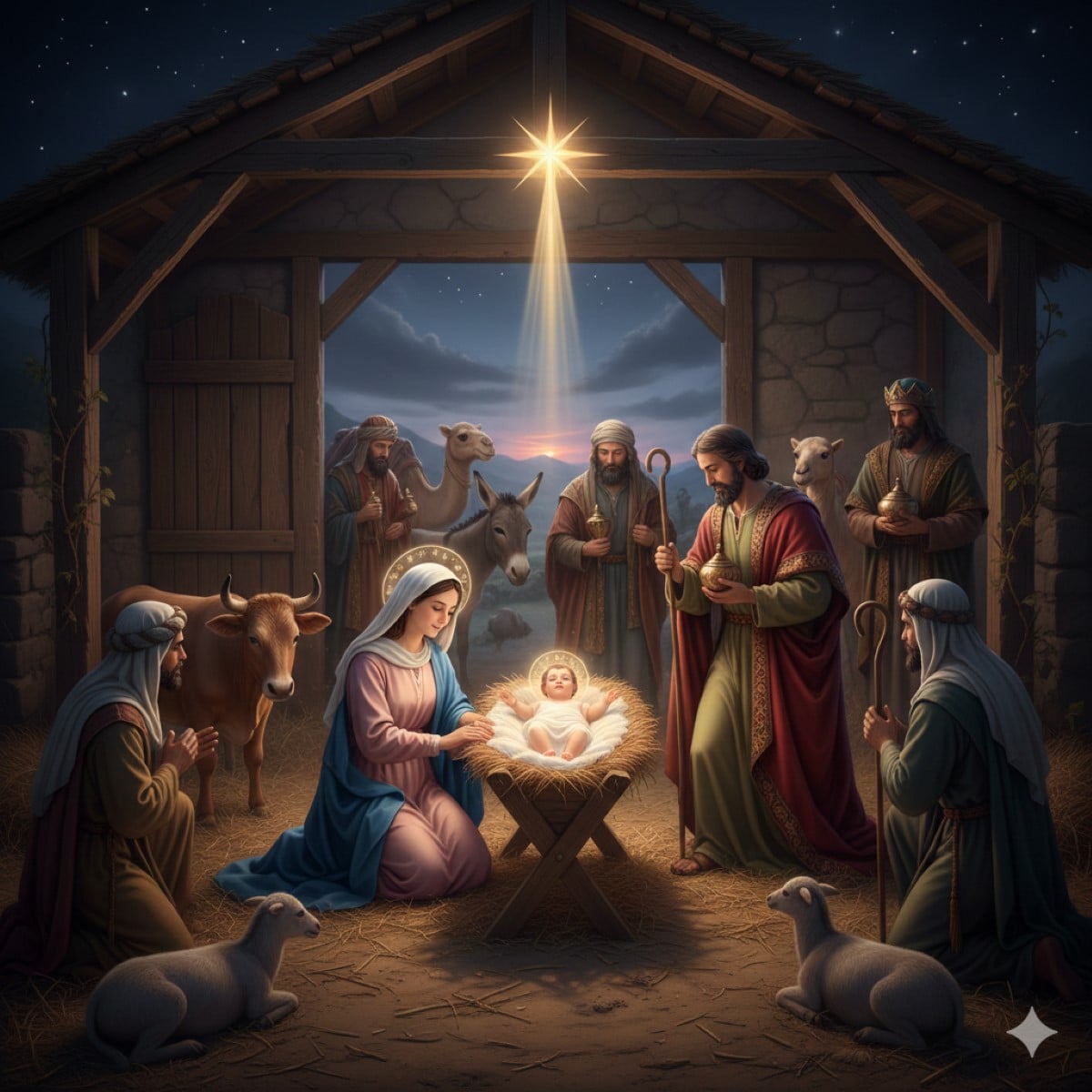
Christmas, of course, is the Christian world’s celebration of the birth of Jesus of Nazareth, who was recognized as the Christian Messiah or Savior.
The English word Christmas means Christ’s Mass. The date of the celebration of the Nativity in December was settled by the fourth century. In antiquity, the celebrations of Mithras in the Zoroastrian tradition and in Roman mythology of Sol Invictus (the sun) on the Winter Solstice, which on the ancient calendar was December 25. In the calendar we use today, Solstice was on December 21 but the practice of celebrating the birth of Jesus on December 25 stayed in place. In the Julian calendar, Solstice fell on January 6 when the birth of Osiris was celebrated in Alexandria.
January 6 was also the date of Epiphany in the East, a feast closely related to Christmas. Supposedly, the twelfth night of Christmas was also the day of the Adoration of the Magi, a reference to a story in the Gospel of Matthew. This has been seen as the origin of the “twelve days of Christmas.” Some Eastern denominations actually celebrate Christmas on January 6 today. The celebration of Christmas did not become common until the fourth century.
It seems likely that Christmas has origins in ancient winter Solstice celebrations expressing a longing in the darkest time of the year for the return of light (the sun) as in the case of Roman Sol Invictus and Mithras in the Zoroastrian tradition who was born on the Winter Solstice and whose birth shepherds attended.
As Christian missionaries spread into the pagan heartlands of northern Europe, they encountered these rituals and found themselves presented with a unique challenge. For Christians, the worship of multiple gods was intolerable, yet the prospect of forcing proud and notoriously violent Vikings and Germanic tribes to reject their beliefs must have been just as unappetizing.
Instead, the missionaries fell back on a time-tested Christian compromise called interpretatio christiana, or “Christian interpretation.” By learning the myths and religious beliefs of the Norsemen, they could identify parallels within Catholicism and link these two belief systems together, making conversion more palatable to those reluctant to give up their centuries-old practices.
What do we make of all this?
What have we learned?
- Ancient Pagans held festivals on the Winter Solstice
- Many of the traditions of these festivals (Yule) have found their way into Christian celebration of Christmas
- Bonfires
- Yule log
- Evergreen trees brought inside
- decorations of holly and mistletoe ( sacred to Druids, Celtic priests/magicians
- Gift-giving is an ancient practice but the first gifts were given to the gods
- Candles and other representations of light (the sun’s rebirth) have found their way into Christmas traditions
- While Christmas is a holiday celebration for Christians, it has been secularized to become an annual cultural, social, family and religious observance.
- The task of the faithful is to continue to remind us just what we are celebrating and to reduce the commercialization to the extent possible.
There is much more we can say about these topics, much more than can be captured in a short article. If any reader would like to discuss or challenge my assertions, please leave a comment below.
Merry Christmas and may we all find blessings in the new year.











 Ad-Free & Subscriber Log-In