

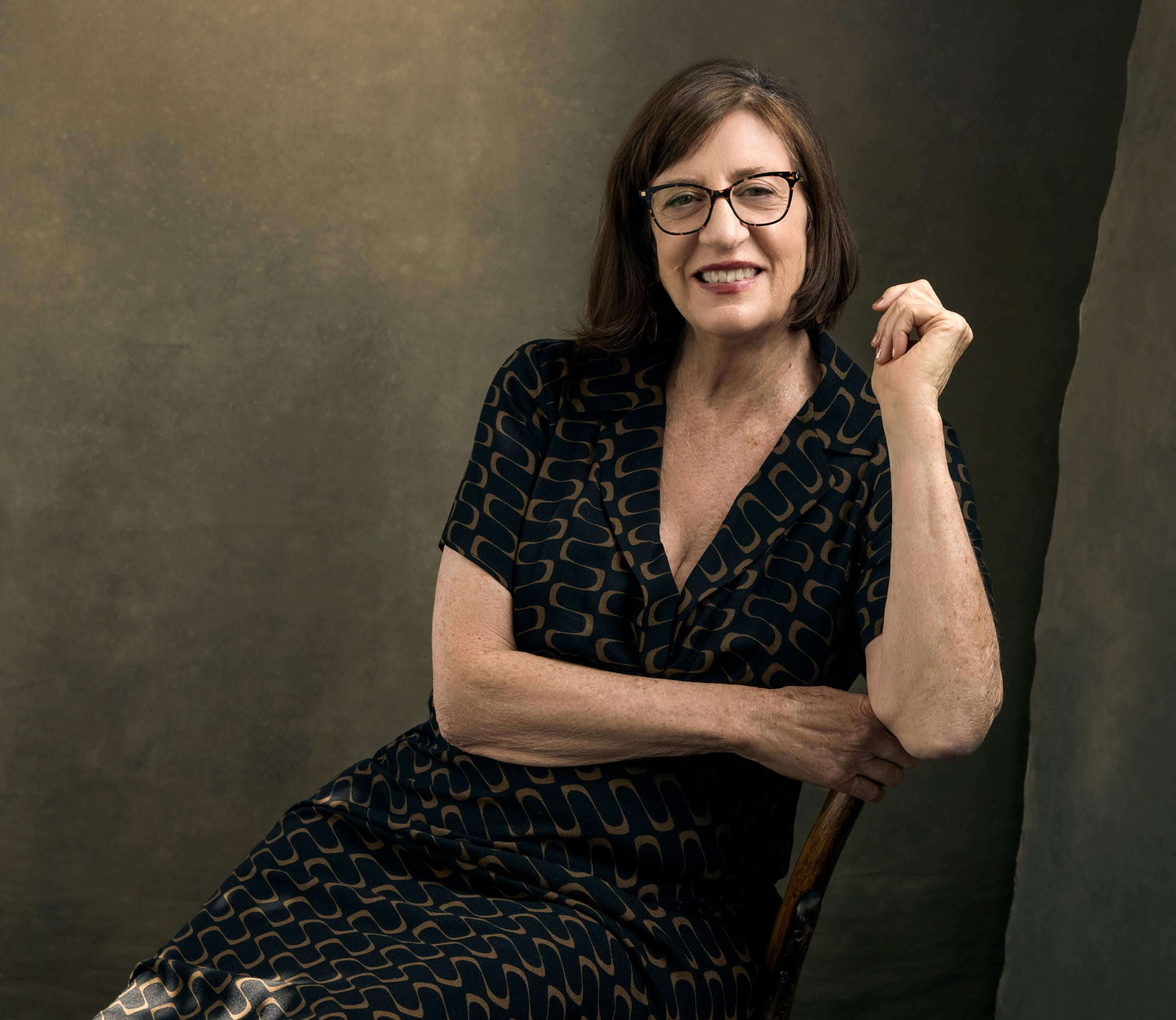
A guest post from Laurie Collister, author of A Different Kind of Vow.
As a young woman, I looked up the meaning of the word religion. Its Latin roots meant re (again) and ligare (to bind/tie). To find a religion that fulfilled that mandate, every Sunday, I attended a church of a different denomination – Episcopal, Greek Orthodox, Catholic, Buddhist, Mormon, to name a few. But none taught me how to tie myself to the divine. Only when I attended a service representing one of the oldest surviving religions did my search come to an end. Hinduism taught me how to connect to God in more ways than one.
Feeling the Vibration of Divine Love
In a meditation class, led by an elderly monk, I felt myself sink into a deep peace. My whole body vibrated. I felt like I could love and be loved, simultaneously and without impediment. So, this is what divine love feels like, I thought. After class, I’d be in such an altered state, I’d have to walk around the block several times. Only then could I man the controls of my car.
At the Hindu temple’s Sunday services, I relished meditating alongside my fellow parishioners. The group experience deepened my meditation. But the communality lasted only one hour each week. Eventually, I figured out how to extend that fellowship. I applied for a position as a writer in the public affairs department of the organization’s international headquarters and convent. To my amazement, I got the job.
I marveled at the immaculate grounds – bright green grass, swaying palms, and ponds filled with golden koi. I felt like I’d fallen into this secret, privileged club – what I imagined a good marriage must be like. In fact, many of the monastics wore wedding rings to signify their marriage to God.
Experiencing a Spiritual Contact High
Hindu scripture speaks of the importance of “keeping right company.” At the convent, I began to understand the importance of that dictate. Right company, I discovered, can kickstart your spiritual practice – creating a momentum that you might never generate on your own.
The nuns spent a considerable amount of time “on the other side,” experiencing the love of God, whether it be in prayer, meditation or reading Hindu texts. I could breathe in their divine union like a contact high. Communion with God, I discovered, does double duty: it affects not only your own self, but also everyone around you. After work, I’d return home experiencing a centeredness, depth, and calm ebullience that I’d never felt before.
Not surprisingly, this principle applied ten-fold when it came to the company of gurus. Six months into my employment, a colleague arranged a private tour of the former quarters of the organization’s founding master. I entered the small bedroom and sitting room on the third floor of the main administration building. The rooms were filled with hand-carved cabinets, jade figurines, and a collection of large uncut stones – amethysts, tourmalines, and amber – gifts from visiting dignitaries. The windows captured the late afternoon sun and misty view of hills. I knelt at the guru’s bedside to pray, hoping to buy myself a little more time as my escort lingered in the dark hall. Kneeling at his single bed, I felt this strange mix of ecstasy and stillness. His spirit had been so strong it lingered decades after his death in 1937.
Journaling to Enhance Spiritual Growth
In addition to meditation and “right company,” Hinduism taught me to connect in an unusual third way. A little-known tenet of Hinduism is its view of keeping a journal. According to the Bhagavad Gita, a holy scripture of Hinduism, journaling is an effective way to deal with deep-seated emotional experiences, which, if not resolved, manifest in negative ways, such as disease.
Prominent Hindu teachers, such as Swami Sivananda and Paramahansa Yogananda, highly recommend keeping a diary. They view a journal as a “silent master” that can be used to record spiritual insights, correct mistakes and accelerate spiritual growth.
My journals – 349 volumes to date – have, indeed, proven to be my “silent master.” My daily entries remind me of God’s gifts: I list what I am grateful for, what I have accomplished, and what I’ve been particularly good at doing that day. This practice turns the tide of even the blackest of moods. Immediately, I feel more blessed than defeated, more enlivened than impoverished.
Journaling can also serve as a form of prayer. When perplexed about what to do, I write down my question in my diary, then carefully record God’s answer. Transcribing the answer allows for a level of specificity and clarity that I cannot achieve simply by talking to God at my altar.
Especially helpful is rereading past journals to find “aha” moments and common themes. Through this excavation, I was able to clarify what the medical intuitive Carolyn Myss describes as one’s “sacred contract,” the reason one is born. Identifying and following God’s will became the next logical step in my spiritual journey. This “vow” – how I found it and how I pursued it – is the subject of my memoir, A Different Kind of Vow, published in April.
In our current epidemic of disconnection, marked by war, deportation, mass layoffs, and loneliness – connection has become more imperative than ever. Whatever religious path you choose, may it fulfill its purpose: to rebind, to retie you to the divine.
Laurie Collister is a counselor, journalist and debut memoirist. After graduating from Kenyon College, she worked as a litigation paralegal, market analyst, writer and, most recently, as a counselor on LA’s skid row. A Different Kind of Vow: Rewriting My Happily Ever After was published by She Writes Press on April 7. The Last Home on the Left, about her fourteen years working at on iconic mission on skid row, will be released on July 13, 2027. Collister lives with her extended family and dog Bella on a cul-de-sac in Los Angeles.












 Ad-Free & Subscriber Log-In