Special Offers
Buddhist
Catholic
Contemplative
Evangelical
General Christian
Hindu
Jewish
Latter-day Saint
Muslim
New Visions
Progressive Christian
Beliefs
Buddhist
Catholic
Contemplative
Evangelical
General Christian
Hindu
Jewish
Latter-day Saint
More Voices
Muslim
New Visions
Pagan
Progressive Christian
Topics
Religion News
Food and Religion
Sports and Religion
Religious Art
Religious Music and Entertainment
Religious Events
History and Religion
Style and Religion
Politics and Religion
Women in Religion
Recreation Outdoors and Religion
Business Finance and Religion
Careers Workplace and Religion
Education and Religion
Family Parenting and Religion
Health Fitness and Religion
Home and Religion
Relationships and Religion
Technology and Religion
Travel and Religion
Columnists
Buddhist Columnists
Business Finance and Religion Columnists
Careers Workplace and Religion Columnists
Catholic Columnists
Contemplative Columnists
Education and Religion Columnists
Evangelists Columnists
Family Parenting and Religion Columnists
General Christian Columnists
Health Fitness and Religion Columnists
Hindu Columnists
History and Religion Columnists
Home and Religion Columnists
Jewish Columnists
More Voices Columnists
Latter Day Columnists
Muslim Columnists
New Visions Columnists
Nonreligious Columnists
Pagan Columnists
Politics and Religion Columnists
Progressive Columnists
Recreation Outdoors and Religion Columnists
Relationships and Religion Columnists
Religion News Columnists
Religious Art Columnists
Religious Events Columnists
Religious Music and Entertainment Columnists
Sports and Religion Columnists
Style and Religion Columnists
Technology and Religion Columnists
Travel and Religion Columnists
Women in Religion Columnists
Resource Library
2026 Calendar
Library of World Religions
The 100 Most Holy Places on Earth
Patheos Answers
Podcasts
Videos
Faith Leaders Database
Anglican Episcopalian
Bahai
Baptist
Buddhism
Christianity
Confucianism
Eastern Orthodoxy
Hinduism
Holiness and Pentecostal
ISKCON
Islam
Judaism
Lutheran
Methodist
The Church of Jesus Christ of Latter-day Saints
New Age
Paganism
Presbytarian and Reformed
Protestantism
Religion Behind the Scenes
Roman Catholic
Scientology
Shia Islam
Sikhism
Sufism
Sunni Islam
Taoism
Zen
See all religions
Research Tools
Comparison Lens
Preacher Resources
Teacher Resources
Video
Podcasts
Thought Readers
Faith In Media Tracker
E-Books and Other Special Offers
God's Cheat Sheet to Finances
Books of the Bible Study series
History of the Bible
7 Day Prayer Challenge for Spouses
A Different Kind of Christian
Jesus is Love
Prayer Devotional
The Saints We Love
FaithChatter Conversation Cards
Newsletters
Special Offers
Ad-Free & Subscriber Log-In
Subscription Support
Trending:
Forgiveness
|
Marriage
|
Afterlife
|
Trump
|
Pentecost
|
Deconstruction
GetReligion
Home
Why We're Here
5Q+1
Tmatt.net
Home
Religion News
Archives
Select a Category
5Q+1
Academia
Anglicanism
Announcements
Atheists & Agnostics
Baptists
Books
Business & Economy
Catholicism
Creeping Fundamentalism
Education
Ethics
Evangelicals
Film
First Person
gays
Godbeat
Got news?
Humor
Interviews
Islam
Journalism
Judaism
Lutherans
Mainline
Marriage & family
Middle East
Mormons
Music
Nones
Orthodoxy
Pagans
Pentecostalism
People
Podcasts
Politics
Pop Culture
Race
Radio & TV
Religion
religious liberty
Same-sex marriage
Science
Sex
Social Issues
Sports
Uncategorized
Vatican
Web/Tech
What is this?
World
World Religions
Worship
Select a Month
August 2014
July 2014
June 2014
May 2014
April 2014
March 2014
February 2014
January 2014
December 2013
November 2013
October 2013
September 2013
August 2013
July 2013
June 2013
May 2013
April 2013
March 2013
February 2013
January 2013
December 2012
November 2012
October 2012
September 2012
August 2012
May 2010
July 2009
February 2009
October 2008
July 2008
January 2007
August 2006
July 2006
October 2005
September 2012
September 30, 2012
Tennessee trend piece hits the mark
It's a simple thing, really. One of the mantras of GetReligion is that journalists should...
September 30, 2012
Digging deeper than Tebow as ‘nice guy’
Another National Football League weekend, another chance to put Tim Tebow's name into digital print...
September 29, 2012
Crazy Charlie: His cartoons are insane
In this week’s podcast Issues Etc. host Todd Wilkin and I discussed two of my...
September 28, 2012
Missing canaries in the Damascus coal mine
I realize that, as a member of an Antiochian Orthodox Christian parish, my concerns about...
September 28, 2012
Meanwhile, back at AP’s sausage factory
On Thursday, I highlighted a fine piece of journalism produced by The Associated Press' filet...
September 28, 2012
Vatican either affirms or reverses priest’s suspension
In July, we looked at some of the media coverage of a priest who was...
September 27, 2012
Big tragedy, big money in Big Apple
Back in April, I weighed in on a claim that my former employer, The Associated...
September 27, 2012
We’re all blasphemers now
Never a dull moment on the religion news beat. And the latest clash is a...
September 26, 2012
Time to pin new label on Brian McLaren?
If people have long had trouble defining the word "evangelical" -- the Rev. Billy Graham...
September 26, 2012
God forbid, an 8 percent increase in dubious claims
During the political conventions a few weeks ago, we commented on some disparate coverage of...
September 26, 2012
How Many Gays in Hampstead?
Here is a craft question for you, GetReligion readers. No, I don't mean freemasonry but...
September 25, 2012
Faith and that grieving Ravens wide receiver
The Baltimore Ravens won a grudge match with the New England Patriots the other night...
September 25, 2012
Harry Reid is giving lessons on Mormonism
It is never news when a Huffington Post blogger says that Mitt Romney, or any...
September 24, 2012
Editing the soul out of Steubenville, Ohio
When a feature story dominates the Sunday front page of The Washington Post, you know...
September 24, 2012
Romney is still Mormon? Stop the presses
It's almost obligatory now for religion reporters to write their own version of "Romney is...
September 24, 2012
Missing ghost in this Crystal Cathedral story?
The Orange County Register has a story headlined "Former Crystal Cathedral pastor defaults on home."...
September 23, 2012
Americans underestimate Protestant population
A few months ago we looked at a survey that showed that the vast majority...
September 22, 2012
Anger at news media: A ‘pew gap’ out there?
Surely anyone who follows American politics, at least with serious intent, knows something about the...
September 21, 2012
Imagine this: Another unbalanced Post LGBT piece
Oh well, here we go again. I realize, at this point, that I am severely...
September 21, 2012
The Boy They Couldn’t Kill
Go read Sports Illustrated's "The Boy They Couldn't Kill." It is far and away the...
September 21, 2012
Remember Chick-fil-A? Still making news!
Even as we head into beautiful fall color changes, we're still talking about Chick-fil-A apparently....
September 20, 2012
Not all Tennesseans are Islamophobes!?
From The Associated Press comes shocking news: Apparently, not all Tennesseans are Islamophobes. You may...
September 20, 2012
LATimes on Chick-fil-A: Where’s the journalism?
A long, long, time ago -- almost a decade, in fact -- there was a...
September 19, 2012
Oh, for a follow-up question to Justice Thomas
Anyone who has ever tried to do media criticism knows that it is so, so...
September 19, 2012
Charlie Hebdo’s Muhammad cartoon crassness
Get ready GetReligion readers for the next twist in the Muslim outrage story. Today's issue...
September 19, 2012
Christmas comes early with ‘Jesus’ wife’ story
Readers of GetReligion are familiar with that mainstream media holiday tradition of releasing news stories...
September 18, 2012
Exorcism for fun and profit
The title of this story from the Agence France Presse (AFP), "Exorcism boom in Poland...
September 18, 2012
Ghosts in pews of a great old Brooklyn church
Like many other Baby Boomer believers who grew up in the era of ugly-as-sin church...
September 18, 2012
Sacrificing journalism on altar of gay advocacy
A few weeks ago, departing New York Times public editor Arthur Brisbane said something everybody...
September 17, 2012
Changes in the Godbeat
The Godbeat (or religion beat) is in the middle of some major shifts again, ones...
1
2
3
»
Related posts from
GetReligion
Public Square
Same as it ever was: It's time for...
GetReligion
Public Square
Wait? Who is calling who an 'evangelical' or...
GetReligion
Public Square
Can a laundromat replace the traditional church?
GetReligion
Public Square
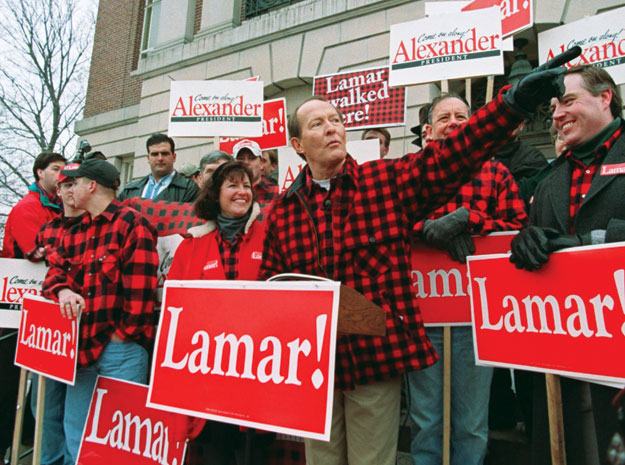
God, Tennessee, culture and that (ironic) red-flannel shirt
GetReligion

 GetReligion




 Ad-Free & Subscriber Log-In