“He whose faith is firm, whose heart and mind are devoted, who has subdued his senses—he attains peace.”
— Bhagavad Gita 4:39
11. Dhrida Nischaya — Steadfast Resolve
Conviction is the bridge between intention and transformation. Dhrida Nischaya means unshakable determination—the quiet strength that keeps us anchored when storms arise. Spiritual growth is not a sprint; it is a lifelong journey of remembering who we are. There will be moments of doubt, fatigue, and distraction, but resolve keeps the flame burning. Each time you fall and rise again, the soul celebrates. For resolve is not about never falling—it’s about never staying fallen. “Those who are ever steadfast in their faith, I carry what they lack and preserve what they have.” (9:22)
12. The Spirit of Learning — Surrender, Question, and Serve
Krishna describes three qualities of a true learner: surrender, questioning, and service.
Surrender is humility—the willingness to say, “There is more for me to understand.” Questioning keeps wisdom alive; blind acceptance leads to rigidity, but thoughtful inquiry deepens insight. Service is gratitude in action. Knowledge is never ours alone—it flows through a lineage of teachers, parents, friends, and even life’s challenges.
Learning is not memorizing philosophy; it is the art of emptying ourselves so truth can enter.
13 & 14. Freedom from Agitation and Fear
“He who neither disturbs the world nor is disturbed by it is dear to Me.” (12:15) When the heart is calm, it radiates stillness to everything around it. A peaceful person becomes like a cool breeze—refreshing, gentle, unobtrusive. To be free from agitation doesn’t mean to avoid life. It means to participate with awareness, to stay centered amidst turbulence. Fear disappears when the mind trusts the divine rhythm of life. Agitation vanishes when we stop demanding that reality fit our plans.
15. Understanding Desire — The Cycle of Emotions
Desire is subtle; it enters disguised as hope. Yet when unchecked, it binds the mind. The Gita outlines six children of desire: Kama (craving), Krodha (anger), Lobha (greed), Mada (pride), Moha (delusion), and Matsarya (jealousy). When one dominates, the others follow. Desire unfulfilled becomes anger; anger clouds reason; clouded reason leads to loss of peace. Awareness breaks the chain. Observe desire without judgment and it dissolves in the light of understanding.
16. Anapeksha — Freedom from Expectation
Expectation is the shadow side of hope. It converts joy into anxiety and generosity into transaction. The Gita’s wisdom is simple: act wholeheartedly, but release the outcome. When we give without clinging, life responds with ease. When we expect, even love becomes labor. Freedom from expectation doesn’t shrink ambition—it refines it into purpose.
17. Shuchi — Purity of Body, Mind, and Heart
Shuchi is not just outer cleanliness; it is inner transparency. When our motives are pure, our presence becomes healing. A clean environment nurtures calm, but a clean conscience radiates peace. Purity aligns our thoughts, words, and actions so that what we think, say, and do flow in one direction—truth.
18. Dakshah — Skillfulness and Efficiency
A person of Dakshata approaches every task as sacred. Excellence becomes worship when performed with mindfulness. Lord Krishna himself, though divine, once helped arrange the guests’ footwear during a grand gathering. Even the smallest act, done with devotion, becomes a reflection of the divine. Perfection is not the goal; presence is.
19. Udasina — Being Unconcerned but Focused on the Higher Goal
To be “unconcerned” is not indifference; it is spiritual prioritization. When your eyes are fixed on Self-realization, petty matters lose their power. A river heading toward the ocean doesn’t stop to count pebbles on its banks. Udasina is that state where your heart is engaged but your peace remains unshaken.
20. Being Untroubled — Living in the Present
The restless mind wanders between two illusions—the past and the future. Regret and worry are the twin thieves of peace. The Gita gently reminds: peace lives only in the now. When the mind is anchored in awareness, the waves of thought calm naturally. Each breath becomes sacred, each moment complete. “Be still in Me; rest your mind in the present.” (12:8)
Pause & Reflect
Which of these qualities—resolve, humility, purity, or presence—feels most alive in you today?
What expectations quietly control your happiness? Could you act without them, just once?
When was the last time you felt truly present—free from past or future? How did that feel?
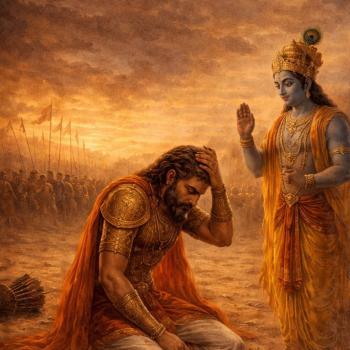
Coming Next: The Warrior Within
In the next part of this series, we’ll journey deeper into the architecture of the peaceful mind. Krishna now reveals the qualities that shape inner resilience — from dhrida nischaya (unwavering resolve) to anapeksha (freedom from expectation), from shuchi (purity) to udāsina (spiritual unconcern).
These qualities are the spiritual muscles that give strength to the modern seeker — the courage to stay calm in conflict, clear in confusion, and centered in a restless world.
Part 3 will show how these traits transform ordinary living into purposeful living, turning every moment into a step toward inner mastery.















 Ad-Free & Subscriber Log-In