

During the hectic middle decades of the twentieth century, from the end of the Great Depression through World War II and into the 1950s, a small circle of intellectuals gathered on a weekly basis in and around Oxford University to drink, smoke, quip, cavil, read aloud their works in progress, and endure or enjoy with as much grace as they could muster the sometimes blistering critiques that followed. This erudite club included writers and painters, philologists and physicians, historians and theologians, soldiers and actors. They called themselves, with typical self-effacing humor, the Inklings.
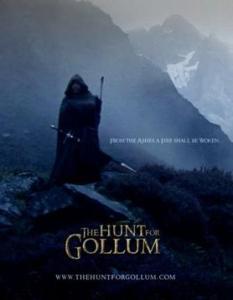
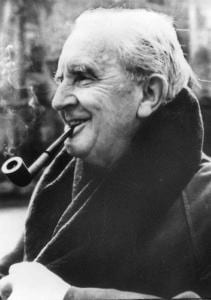
Just before the dawn of World War II, 88 years ago, one of the members of this group, John Ronald Reuel Tolkien (better known as J.R.R. Tolkien) published a quaint little fantasy book for children entitled ‘The Hobbit’ on September 21, 1937. It was followed by a trilogy of books beginning in 1954 called The Lord of the Rings. In February 2025 it was confirmed that there would be a third season of The Lord of the Rings: The Rings of Power and an upcoming movie in 2027 entitled The Hunt for Gollum. Interestingly there is an online fan film called The Hunt For Gollum – The Fan Film (2009).
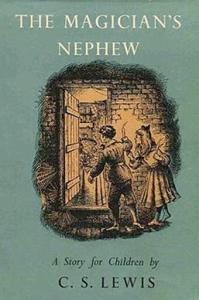
Thirteen years later, John’s good friend Clive Staples Lewis (better known as C.S. Lewis) and fellow Inkling published an even quainter children’s book entitled The Chronicles of Naria: The Lion, The Witch and The Wardrobe 75 years ago on October 16, 1950. It was followed by 5 sequels and 1 prequal. There is a new set of movies to be adapted for Netflix in which filming has already begun for the sixth published book but the first in the series The Magician’s Nephew.
These books are two of the most popular fantasy books in the genre that still has an impact decades after their first publication. One makes these popular books beloved by millions so unique is their authors who were undeniably public Christians who were not shy about letting the world know about their faith.
“The Lord of the Rings’ is of course a fundamentally religious and Catholic work; unconsciously so at first, but consciously in the revision. That is why I have not put in, or have cut out practically all references to anything like ‘religion,’ to cults or practices, in the imaginary world. For the religious element is absorbed into the story and symbolism.”
― The Letters of J.R.R. Tolkien
Some people seem to think that I began by asking myself how I could say something about Christianity to children; then fixed on the fairy tale as an instrument, then collected information about child psychology and decided what age group I’d write for; then drew up a list of basic Christian truths and hammered out ‘allegories’ to embody them. This is all pure moonshine. I couldn’t write in that way. It all began with images; a faun carrying an umbrella, a queen on a sledge, a magnificent lion. At first there wasn’t anything Christian about them; that element pushed itself in of its own accord.
-Lewis, C.S. (18 November 1956). “Sometimes Fairy Stories May Say Best What’s to be Said”. The New York Times. Retrieved 20 February 2019.
Today, The Lion, The Witch and the Wardrobe was first published in 1950. The same year as Peanuts was first published and the doctrine of the Assumption of Mary was made dogma and an encyclical said that evolution could be combatable with the Catholic faith. Oodles of books, articles and videos have been made about the overt and subtle Christianity packed into the books Tolkien and Lewis have created. Middle-Earth has been around for 88 years and Narnia for 75. A good amount of ink has also been spilled over the Inklings and the individual authors themselves. In this essay I want to look at the world around the books and look at the contemporary culture and history that was happening in the year and on the day, these works first became part of the public conscious. It is always fascinating to know what interesting things were going on at the same time other historical things were going on.
We start…
88 Years Ago
1937
Picture This
- Salvador Dalí
- The Burning Giraffe
- Couple with Their Heads Full of Clouds (second version)
- Metamorphosis of Narcissus, a surrealist work influenced by the Greek myth of Narcissus
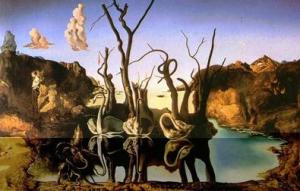
- Swans Reflecting Elephants

News of the World
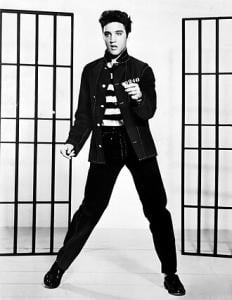
January 8, 1937 – The future king of Rock and Roll, Elvis Presley, turns 2.
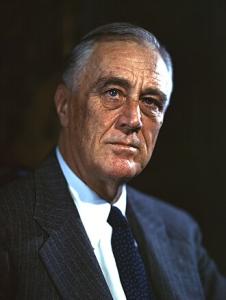
January 20, 1937 – Second inauguration of Franklin D. Roosevelt: Franklin D. Roosevelt is sworn in for a second term as President of the United States. This is the first time that the United States presidential inauguration occurs on this date; the change is due to the ratification in 1933 of the Twentieth Amendment to the United States Constitution.
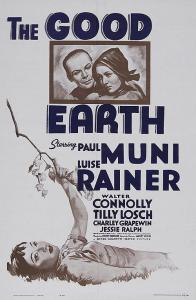
January 29, 1937
The Good Earth, directed by Sidney Franklin, starring Paul Muni and Luise Rainer premiers.
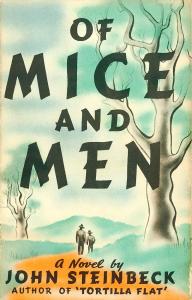
February 6, 1937
John Steinbeck‘s novella of the Great Depression, Of Mice and Men, appears in the United States.
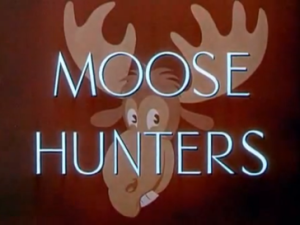
February 20, 1937 –Moose Hunters is released. It is one of 7 Mickey Mouse cartoons released in 1937. It starts the iconic trio of Mickey, Donald Duck and Goofy.
March 1937
“Sweet Leilani” sung by Bing Crosby is released.
March 10, 1937 (dated March 14 (Passion Sunday))
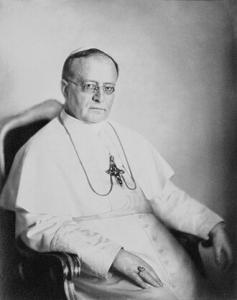
The encyclical Mit brennender Sorge (“With burning concern”) of Pope Pius XI is published in Germany in the German language. Largely the work of Cardinals von Faulhaber and Pacelli, it condemns breaches of the 1933 Reichskonkordat agreement signed between the Nazi government and the Catholic Church, and criticises Nazism‘s views on race and other matters incompatible with Catholicism.
March 14, 1937 – The Jack Benny – Fred Allen 12-year “feud” begins, when both comedians participate in “The Battle of the Century” at the Hotel Pierre.
March 16, 1937
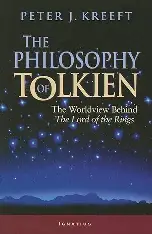
Catholic author of many books including those about Tolkien and Lewis Peter Kreeft is born.
March 19, 1937
The encyclical Divini Redemptoris of Pope Pius XI, critical of communism, is published.
April 16, 1937
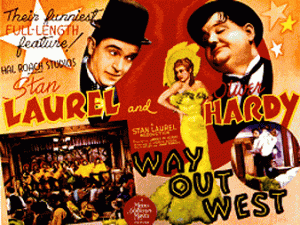
Laurel and Hardy comedy Way Out West premieres in the US
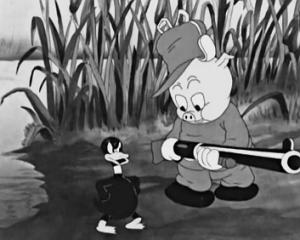
April 17, 1937: The animated short Porky’s Duck Hunt, produced by Leon Schlesinger Productions and directed by Tex Avery, is first released. It marks the debut of Daffy Duck.
May 6, 1937
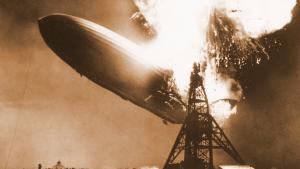
Hindenburg disaster: In the United States, the German airship Hindenburg bursts into flame when mooring to a mast in Lakehurst, New Jersey. Of the 36 passengers and 61 crew on board, 13 passengers and 22 crew die, as well as one member of the ground crew.
May 8, 1937
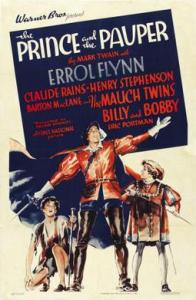
The Prince and the Pauper by Mark Twain starring Errol Flynn premieres in theaters.
May 12, 1937
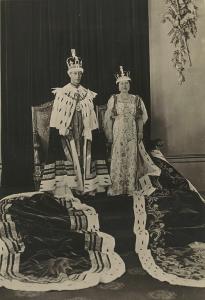
George VI and Elizabeth are crowned King and Queen of the United Kingdom and the British Dominions, and Emperor and Empress of India at Westminster Abbey, London.
June 8, 1937
The first total solar eclipse to exceed 7 minutes of totality, in over 800 years, is visible in the Pacific and Peru.
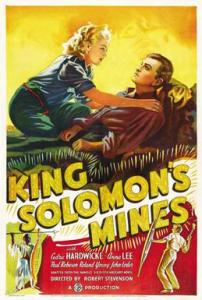
June 8, 1937
King Solomon’s Mines, starring Cedric Hardwicke and Paul Robeson (GB)
June 19, 1937
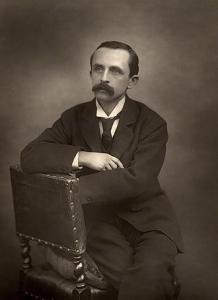
J. M. Barrie (May 9, 1860 – June 19, 1937) the Scottish novelist and playwright, best remembered as the creator of Peter Pan dies.
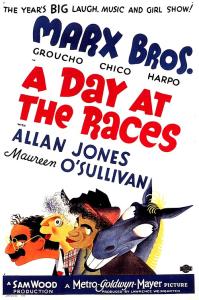
June 11, 1937
Marx Brothers comedy A Day at the Races premieres in the U.S.
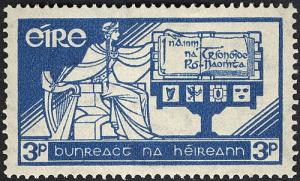
June–July, 1937 – The Dáil Éireann debates and passes the new draft Constitution of Ireland, which is then submitted for public approval by plebiscite.
July 1, 1937
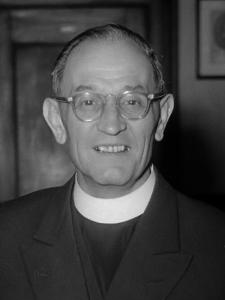
The Gestapo arrests pastor Martin Niemöller (January 1892 – March 6, 1984) in Germany. was a German theologian and Lutheran pastor. He is best known for his opposition to the Nazi regime during the late 1930s and for his widely quoted 1946 poem “First they came …“. The poem exists in many versions; the one featured on the United States Holocaust Memorial reads:
“First they came for the socialists, and I did not speak out – because I was not a socialist.
Then they came for the trade unionists, and I did not speak out – because I was not a trade unionist.
Then they came for the Jews, and I did not speak out – because I was not a Jew.
Then they came for me – and there was no one left to speak for me.”
July 2, 1937
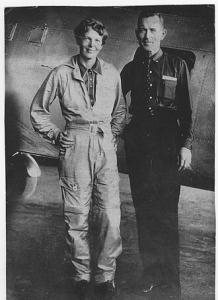
Amelia Earhart and navigator Fred Noonan disappear after taking off from New Guinea, during Earhart’s attempt to become the first woman to fly around the world.
Speaking of places around the world.
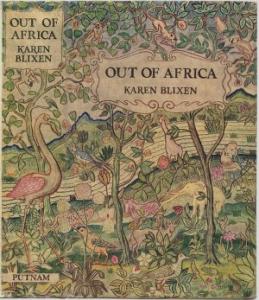
Out of Africa is published. It is a memoir by the Danish author Karen Blixen. The book, first published in 1937, recounts events of the eighteen years when Blixen made her home in Kenya, then called British East Africa. The book is a lyrical meditation on Blixen’s life on her coffee plantation, as well as a tribute to some of the people who touched her life there. It provides a vivid snapshot of African colonial life in the last decades under the British Empire.
July 9, 1937
1937 Fox vault fire: The silent film archives of Fox Film Corporation are destroyed.

July 22, 1937
New Deal: The United States Senate votes down President Franklin D. Roosevelt‘s proposal to add more justices to the Supreme Court of the United States.
July 23, 1937
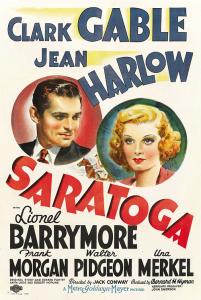
Six weeks after Jean Harlow’s death, her final film, Saratoga, is released. It is an instant box office success and becomes the year’s highest-grossing film, as well as the highest-grossing film of her career.
July 31, 1937
NKVD Operative Order 00447 “Об операции по репрессированию бывших кулаков, уголовников и других антисоветских элементов” (“The operation for repression of former kulaks, criminals and other anti-Soviet elements”) is approved by the Politburo of the Soviet Union, initially as a 4-month plan for 75,950 people to be executed and an additional 193,000 to be sent to the Gulag.

August 2, 1937
The Marijuana Tax Act in the United States is a significant bill on the path that will lead to the criminalization of cannabis. It was introduced to the U.S. Congress by Commissioner of the Federal Bureau of Narcotics, Harry Anslinger.

September, October, November,
December 1937, January, February 1938.
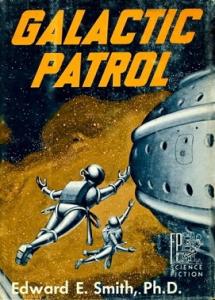
Astounding Stories Galactic Patrol E. E. Smith.
September 17, 1937
Abraham Lincoln‘s head is dedicated at Mount Rushmore.

September 21, 1937
J. R. R. Tolkien‘s juvenile fantasy novel The Hobbit, or There and Back Again is published in England by George Allen & Unwin on the recommendation of young Rayner Unwin. (September 22 is celebrated by some fans as Hobbit Day, however.)
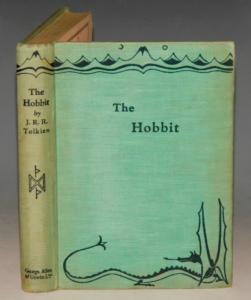
In 1938, Walt Disney considered adapting The Hobbit to animation.
September 27, 1937
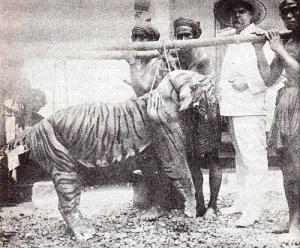
The last recorded Bali tiger dies.
October 9, 1937
Jimmie Angel lands his plane on top of Devil’s Mountain; however, the plane gets damaged, and he has to trek through the rainforest for help.

October 11, 1937 –
The Burns and Allen Show – Bob Burns Substitutes – Ep 27 – Bird Youmans
October 15, 1937 –
Clock Cleaners another cartoon comedy classic with Mickey, Donald and Goofy.
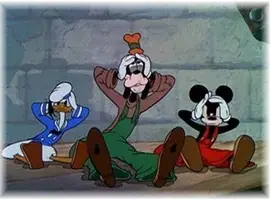
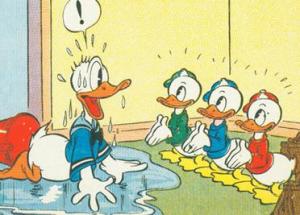
October 17, 1937- In Al Taliaferro‘s Donald Duck newspaper comic strip Huey, Louie and Dewey make their debut.
November 1, 1937 –
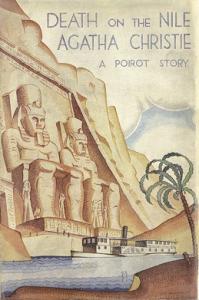
Death on the Nile featuring Hercule Poirot by British writer Agatha Christie, is published in the UK by the Collins Crime Club.
November 5, 1937 –
World War II: In the Reich Chancellery, Adolf Hitler holds a secret meeting and states his plans for acquiring “living space” for the German people (recorded in the Hossbach Memorandum).

November 19, 1937 –
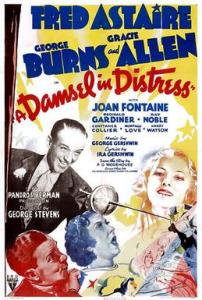
A Damsel in Distress, directed by George Stevens, starring Fred Astaire, George Burns, Gracie Allen and Joan Fontaine
November 21, 1937
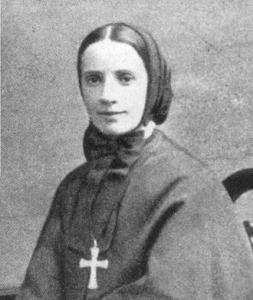
Frances Xavier Cabrini is venerated by Pope Pius XI (decree on heroic virtues)
December 21, 1937
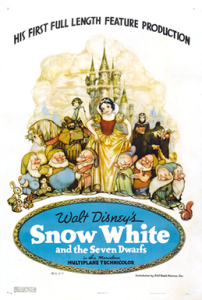
Premiere of Walt Disney‘s Snow White and the Seven Dwarfs in the United States, the first full-length animated feature film.
Charlie Chaplin attended the premiere of “Snow White and the Seven Dwarfs” on December 21, 1937, and he expressed his admiration for the character Dopey, calling him “one of the greatest comedians of all time”. –The Charlie Chaplin Connection Part Two: Mickey as Chaplin
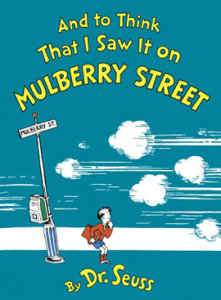
Dr. Seuss‘s first book, And to Think That I Saw It on Mulberry Street, is published by Vanguard Press.
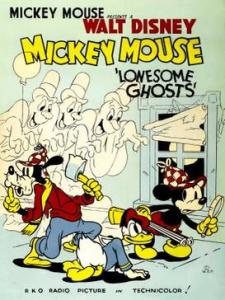
December 24, 1937 (Christmas Eve) – Long Before Ghostbusters there were Lonesome Ghosts.
And the massive amount of creativity continues
13 Years Later
75 Years Ago
1950
Picture This…
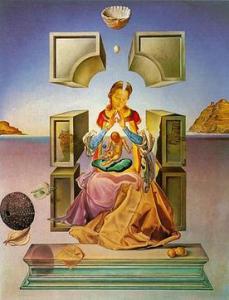
Salvador Dalí – The Madonna of Port Lligat (second version, Fukuoka Art Museum)
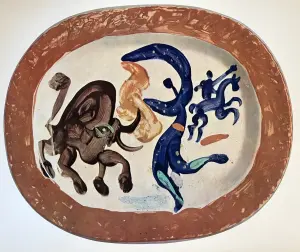
List of Picasso artworks 1941–1950
1950 Matador
Some Books Hot of the Press that year include
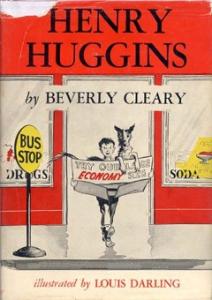
Henry Huggins by Beverly Cleary illustrated by Louis Darling is published.
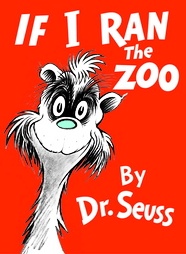
If I Ran the Zoo by Dr. Seuss is published.
T.S. Eliot’s introduction to The Adventures of Huckleberry Finn, 1950
The Adventures of Huckleberry Finn is the only one of Mark Twain’s various books which can be called a masterpiece. In the writing of Huckleberry Finn Mark Twain had two elements which, when treated with his sensibility and his experience, formed a great book: these two are the Boy and the River.
Tom Sawyer did not prepare me for what I was to find its sequel to be. Tom Sawyer seems to me to be a boys’ book, and a very good one. The River and the Boy make their appearance in it; the narrative is good; and there is also a very good picture of society in a small mid-Western river town (for St. Petersburg is more Western than Southern) a hundred years ago. But the point of view of the narrator is that of an adult observing a boy. And Tom is the ordinary boy, though of quicker wits, and livelier imagination, than most. Tom is, I suppose, very much the boy that Mark Twain had been: he is remembered and described as he seemed to his elders, rather than created. Huck Finn, on the other hand, is the boy that Mark Twain still was, at the time of writing his adventures.
Eliot, T. S. “Introduction to Huckleberry Finn.” From The Adventures of Huckleberry Finn, vii–xvi. London: Cresset Press, 1950.

Galactic Patrol (1950) by E. E. Smith. This novel was originally serialized in the magazine Astounding in 1937.
Before Charlie Chaplin began work on his film Limelight (1952) it was conceived as a screenplay. Chaplin wrote Footlights as a 34,000-word novella. Begun on September 13, 1948, with the help of Lee Cobin, it was finished two years later in 1950. Remaining virtually unknown for more than 60 years after its completion,
January 7, 1950
“Rudolph the Red-Nosed Reindeer” sung by Gene Autry, reached the top of Billboard magazine‘s charts.

January 15, 1950 – Elvis turns 15 and is 4 years away from making his first record. This is the year that Presley began practicing guitar under the tutelage of Lee Denson, a neighbor. They and three other boys, including two future rockabilly pioneers, brothers Dorsey and Johnny Burnette—formed a loose musical collective.
January 28, 1950 –
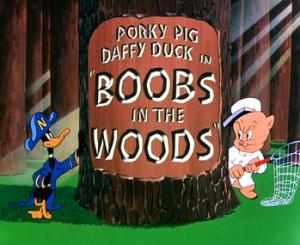
Boobs in the Woods stars Daffy Duck and Porky Pig.
February 15, 1950
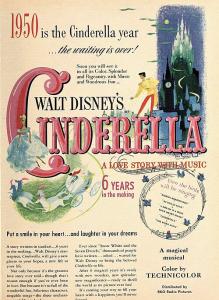
Walt Disney Studios‘ animated film Cinderella debuts. The film is the most successful the studio has made since Dumbo, and saves the studio from four million dollars in debt.
February, 1950 – The Ad Hoc Committee on Slavery of the United Nations is formally inaugurated with its first meeting at Lake Success in February 1950.
March 8, 1950 – The first Volkswagen Type 2 (also known as the Microbus) rolls off the assembly line in Wolfsburg, German.

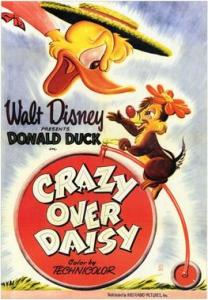
March 8, 1950 – Crazy Over Daisy is released. Mickey Mouse and Goofy have a cameo. Mickey Mouse cartoons were declining and Donald was the main cartoon star in the 50’s.
April 27, 1950 Apartheid: In South Africa, the Group Areas Act is passed, formally segregating the races.
May 4, 1950
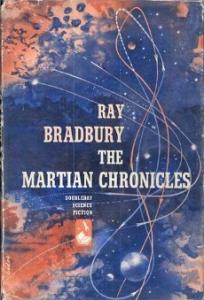
Ray Bradbury ‘s The Martian Chronicles is published.
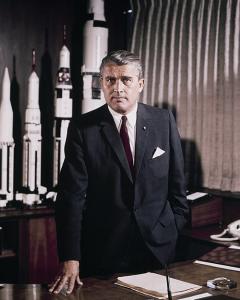
May 14, 1950 – The Huntsville Times runs the headline “Dr. von Braun Says Rocket Flights Possible to Moon.”
May 18, 1950 (New York City)
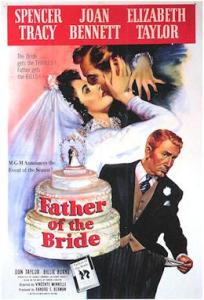
Father of the Bride, directed by Vincente Minnelli, starring Spencer Tracy, Joan Bennett and Elizabeth Taylor
June 1950-
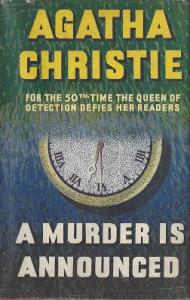
A Murder Is Announced by Agatha Christie.
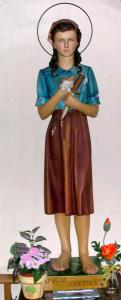
June 24, 1950 –Maria Goretti Canonized
June 27, 1950
Korean War: U.S. President Harry S. Truman orders American military forces to aid in the defense of South Korea.

June 27, 1950 (United States)
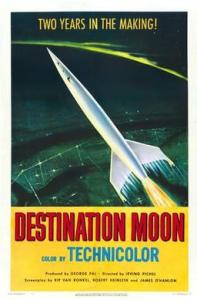
Destination Moon, starring John Archer
July 15, 1950
“Mona Lisa” sung by Nat King Cole reached the top of Billboard magazine‘s charts.
July 19, 1950
Walt Disney Studios’ first completely live-action film Treasure Island debuts.
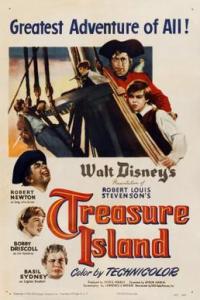
(August, September, October, November 1950)
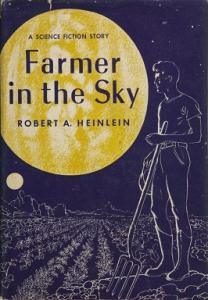
Farmer in the Sky * – Among Heinlein’s juveniles, a condensed version of the novel was published in serial form in Boys’ Life magazine under the title “Satellite Scout”. The novel was awarded a Retro Hugo in 2001
August 12, 1950
In his encyclical Humani generis, Pope Pius XII requires Catholic theologians to defer to the teachings of the Church as a whole but declares evolution to be a serious hypothesis that does not contradict essential Catholic views.
August 19, 1950
“Goodnight, Irene” sung by Gordon Jenkins & The Weavers reached the top of Billboard magazine‘s charts.
September 4, 1950
Mort Walker‘s Beetle Bailey makes its debut. Though the original comic strip is set at college and will only be set at a military base in March 1951.

September 10, 1950 – The Colgate Comedy Hour series debuts on NBC (1950-1955).
The first episode, starring Hans Conried, Rosemary DeCamp and Dick Foran, was written and produced by the then 22-year-old Peggy Webber, who appeared in over 100 episodes of Dragnet with Jack Webb.
October 2, 1950
The daily comic strip Peanuts, by Charles M. Schulz, makes its debut in nine United States newspapers.

October 5, 1950 – The comedy quiz show You Bet Your Life, featuring Groucho Marx, premieres (1950–1961).
October 7, 1950,
Mother Teresa received Vatican permission for the diocesan congregation, which would become the Missionaries of Charity.

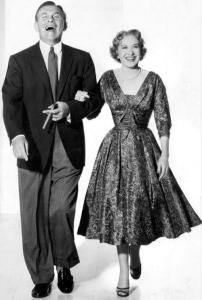
October 12, 1950 – The George Burns and Gracie Allen Show debuts (1950–1958).
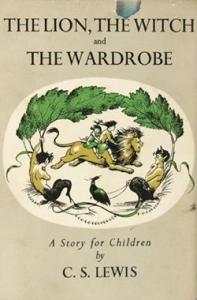
October 16, 1950
C. S. Lewis‘s children’s portal allegorical fantasy novel The Lion, the Witch and the Wardrobe, illustrated by Pauline Baynes, is published by Geoffrey Bles in London, first of the seven-book The Chronicles of Narnia.
Other Interesting Historical Events That Occur on October 16 include…
- 1736 – Mathematician William Whiston‘s predicted comet fails to strike the Earth.
- 1882 – The Nickel Plate Railroad opens for business.
- 1890 – St. Maria Goretti, Italian martyr and saint (died 1902) is born.
- 1946 – Nuremberg trials: Ten defendants found guilty by the International Military Tribunal are executed by hanging.
- 1953 – Cuban revolutionary Fidel Castro delivers his “History Will Absolve Me” speech, and is sentenced to 15 years’ imprisonment by the Fulgencio Batista government for leading an attack on the Moncada Barracks.
- 1962 – Cuban Missile Crisis begins: U.S. President John F. Kennedy is informed of photos taken on October 14 by a U-2 showing nuclear missiles (the crisis will last for 13 days starting from this point).
- 1964 – China detonates its first nuclear weapon.
- 1975 – Three-year-old Rahima Banu, from Bangladesh, is the last known case of naturally occurring smallpox.
- 1978 – Cardinal Karol Wojtyła is elected to the papacy as Pope John Paul II, he becomes the first non-Italian pontiff since 1523.
- 1984 – Desmond Tutu is awarded the Nobel Peace Prize.
- 1995 – The Million Man March takes place in Washington, D.C. About 837,000 attend.
With all the tumoral going on in the world, what better excuse to enter into a good book that leads us to another world. What better way for one of the greatest popes of the 20th century to begin his reign on the chair of St. Peter.
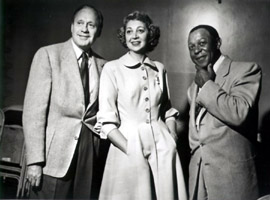
October 28, 1950 – The Jack Benny Program, starring Jack Benny, premieres (1950–1965).
November 1, 1950
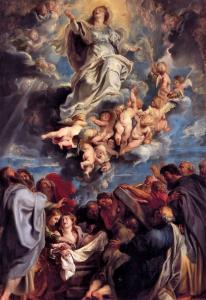
Pope Pius XII defines a new dogma of Roman Catholicism, the Munificentissimus Deus, which says that God took Mary’s body into Heaven after her death (the “Assumption of the Blessed Virgin Mary“).
November 9, 1950
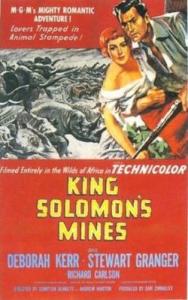
King Solomon’s Mines, starring Deborah Kerr and Stewart Granger
December 2, 1950
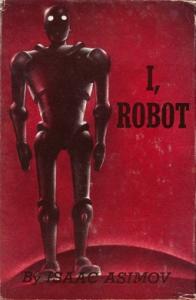
I, Robot a fixup collection made up of science fiction short stories by American writer Isaac Asimov is published.
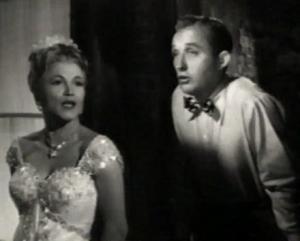
December 20, 1950 – Crosby started the tape recorder revolution in America. In his 1950 film Mr. Music, Crosby is seen singing into an Ampex tape recorder that reproduced his voice better than anything else.
Please Note: Direct descripti0ns are taken from Wikipedia unless otherwise stated.











 Ad-Free & Subscriber Log-In