


By John Cerniglia
Have you ever watched the news and wondered: “Where are all these hateful extremists coming from?” You’re not alone. Powered by smartphones and online platforms, digital extremism is surging across the volatile Middle East and North Africa, with young people being radicalized on social media in alarming numbers.
Deepfakes, manipulated imagery spreading hate and lies faster than accurate information can keep up
Roughly 60% of the Middle East’s population is under 25, and between 80–90% of them own a smartphone. With the region ranking among the world’s fastest-growing mobile phone markets, extremists are exploiting unprecedented access to impressionable young minds.
Extremist groups deliberately target young people through TikTok, Facebook, WhatsApp, YouTube, and Telegram — spreading propaganda faster than content moderators can respond. Anti-Christian posts on TikTok, for example, often go viral before they’re even flagged. In 2024, the Center for Countering Digital Hate accused Meta of failing to rein in administrators of large Facebook groups that openly promote hate and violence against Jews and others.
According to the Soufan Center, a nonprofit specializing in transnational security, extremist networks use social media not only to recruit but also to organize, amplify their influence, and normalize hate as a movement.
Such extreme online content finds a receptive audience in nations where authoritarian governments control the narrative — stirring up hatred against religious and ethnic minorities, and often blaming them for societal problems. More than 90% of people in the Middle East live in countries where freedoms are restricted, according to pro-democracy group Freedom House. When other voices are silenced, it creates an environment in which resentment and hostility builds toward minorities.
AI-Groomed Radicals
Radicalization is also becoming harder to stop. Artificial Intelligence (AI) is supercharging extremist efforts to influence young people in Iraq, Syria, Afghanistan, Yemen, and beyond.
What often begins as innocent curiosity quickly spirals into obsession. Algorithms feed users more of what they click, drawing vulnerable youth deeper into hate-filled content and violent ideologies. According to the Washington, DC-based Center for the Study of Organized Hate, AI tools allow extremists to produce highly targeted narratives — text, audio, and video — designed to fuel hostility toward specific religious or ethnic groups.
Extremist influencers have amassed millions of followers, using their platforms to push poisonous narratives, and giving their massive audiences a distorted view of the Christian faith that pumps up anti-Christian sentiment. Add in AI-generated deepfakes, conspiracy theories, and manipulated imagery, and you have an inflammable mix that spreads faster than accurate information can keep up.
According to the United States Government, malicious use of AI is now considered a serious threat to social and political stability worldwide. In January, 2025, the U.S. Department of Homeland Security (DHS) issued a report outlining threats posed by the adversarial use of generative AI, including deepfakes, fabricated content, and digital manipulation. As the danger increases, the bipartisan U.S. Commission on International Religious Freedom is ramping up efforts to track and report on extremist content online.
But the question remains: can anything stop digital extremism from spreading, or counter its viral influence?
Reckless Hate, Reckless Love
To quote King Theoden in J.R.R. Tolkien’s The Lord of the Rings: “What can men do against such reckless hate?”
The answer: respond with reckless love.
Faith-based media in the Middle East — including our media organization SAT-7 — refuses to cede the digital space to extremists whose sole aim is to spread hate and lies. Instead, we are using every platform possible to show them — and the entire region — the radical love of Christians who follow the example of the Heavenly Man who lived and died in the Middle East.
Viewers tell us that after years of believing lies about Christians, their eyes have been opened by watching how Christians in their own countries live, how they treat others, and what they truly believe. Many are rejecting extremist narratives and searching for something authentic, stable, and hopeful. In 2024 alone, our videos-on-demand in Arabic, Farsi, Turkish, Dari, and Tajik languages were viewed 230 million times.
Shining Light in the Digital Dark
So how do we counter digital extremism? By refusing to argue on its dark terms.
By showing that reckless hate is no match for reckless love.
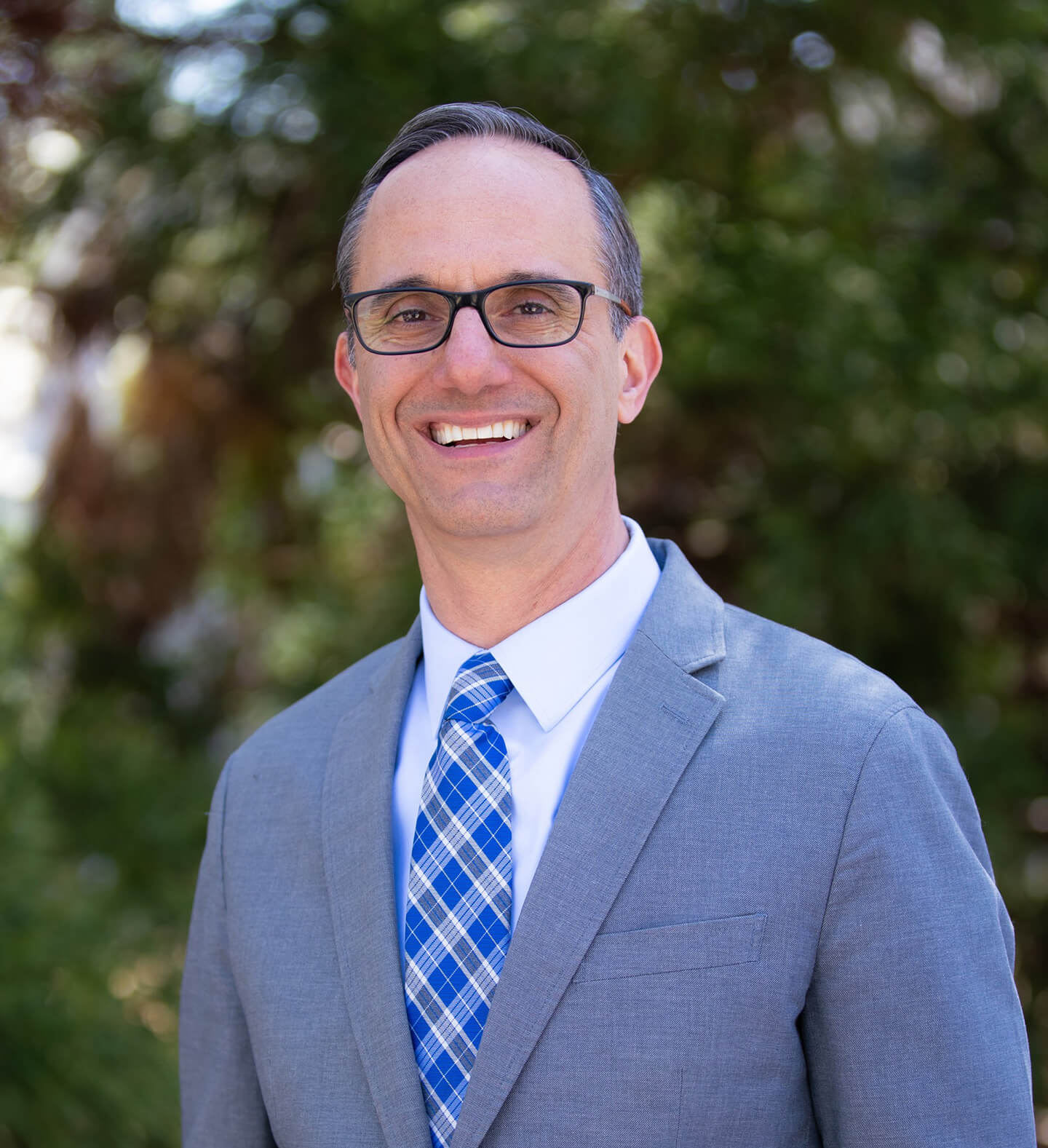
— John Cerniglia is the president of SAT-7 USA (www.sat7usa.org), a faith-based multimedia ministry that broadcasts in local languages across the Middle East and North Africa using satellite television and online platforms. His work has taken him to 45 countries.














 Ad-Free & Subscriber Log-In