


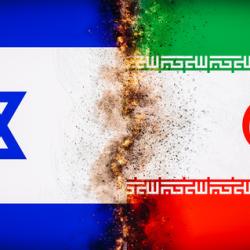
There is another humanitarian crisis in Iran, as Iranian security forces have murdered thousands of Iranian citizens protesting the government. This is another in a series of crises over the past five decades. Let’s take a look.
The Current Situation
The situation in Iran meets multiple criteria for a humanitarian crisis, based on the scale of state violence, mass casualties, executions, economic collapse, and the obstruction of basic human rights. The evidence points to a nationwide human‑rights emergency with regional and global implications.
The latest round of protests in Iran began in late December 2025, starting in Tehran and then spreading nationwide. The first demonstrations began when shopkeepers in Tehran’s Grand Bazaar went on strike after a sharp currency collapse and worsening living conditions. The rial’s (Iranian currency) freefall, inflation, and shortages triggered immediate public anger. Within hours and days, protests expanded to hundreds of cities across all 31 provinces, driven by long‑standing grievances:
- Economic mismanagement
- Corruption
- Repression
- Human‑rights abuses
- Internet censorship
- Ethnic and religious discrimination
Human Rights Watch reports that Iranian security forces carried out mass killings of protesters and bystanders, with thousands killed during the 2025–26 protests. The crackdown intensified in early 2026, with gunshot wounds to heads and torsos documented across the country. Over 2,000 executions occurred in 2025 alone—the highest since the late 1980s—including many drug‑related executions that violate international law. Women, ethnic minorities, and Sunni communities were disproportionately targeted. Iran imposed near-total blackouts to conceal the scale of violence, blocking communication, documentation, and humanitarian monitoring. Inflation, food price spikes, and currency devaluation triggered the initial protests and continue to deepen public suffering.
Iran’s History of Human Rights Abuses
The Iranian leadership has long been focused on sponsoring global terrorism and building nuclear weapons rather than taking care of their people. This has been an oppressive regime since the overthrow of the Shah in 1979. Iran’s history since the overthrow has been violent and deadly:
- 1979–1981 Hostage Crisis and Revolutionary Purges: The hostage crisis itself was part of a broader environment of upheaval, repression, and international isolation.
- The Iran–Iraq War (1980–1988): One of the deadliest conflicts of the late 20th century, with an estimated 500,000 deaths, heavy trench warfare, and chemical attacks used by Iraq against Iranians and Iraqi Kurds.
- Decades of violent suppression of dissent: Iran has a long record of crushing protests—1999, 2009, 2017–18, 2019, 2022—but analysts note that the regime’s capacity and willingness to use violence have steadily increased.
- Recurring economic and social collapses: Sanctions, mismanagement, and corruption have repeatedly triggered inflation, food insecurity, and shortages of medicine—conditions that often cross into humanitarian territory even without open conflict.
- Natural disasters compounded by weak governance: Earthquakes (notably Bam in 2003) and droughts have repeatedly overwhelmed Iran’s emergency systems, creating humanitarian emergencies worsened by political constraints and international isolation.
The current crisis is unique in that it is a nationwide protest. This is compounded by mass executions at levels higher than seen before. The current economic collapse, combined with the government’s shutdown of internet access, leaves many Iranians feeling even more isolated as the government attempts to quell the unrest.
What Is Being Done to Help?
While European governments have been the most vocal about the oppression, regional states, e.g., Qatar, warn that the crisis could escalate into a regional crisis. International media and human‑rights organizations continue to document abuses despite Iran’s information blackout, shaping global pressure. These actions aim to isolate the Iranian government diplomatically and keep attention on the humanitarian emergency.
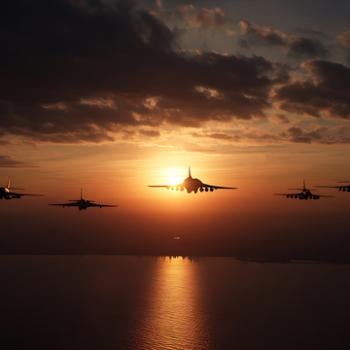
The United States has threatened military action if the Iranian government does not stop the killing and if they do not end its aspirations for nuclear weapons. The Iranian leadership continues to saber-rattle and threaten the U.S. if any military action is taken. This is a very difficult situation, as the killing continues to rise along with the protests, yet military intervention will simply exacerbate an already bad situation. Please pray for peace in Iran as we are careening towards an even worse humanitarian disaster.
The Catholic View
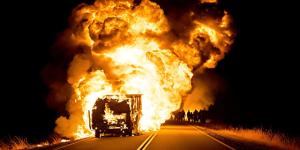
The preservation of life is the primary focus here. The Iranian government must stop murdering its own people, as well as sponsoring global terrorism. Their nuclear weapon aspirations raise the stakes even higher. A nuclear Iran puts the entire world at risk. Jesus always moved toward those crushed by violence, poverty, or exclusion. He would affirm the dignity of every protester, every grieving family, every prisoner, every person living under fear. He consistently confronted leaders who used power to harm, silence, or exploit. His strongest words were always for those who:
- Shed innocent blood.
- Burden the vulnerable.
- Hide truth.
- Use religion or law to justify oppression.
A government that kills protesters, executes dissidents, and hides truth behind internet blackouts stands in direct contradiction to the Kingdom He proclaimed. He would call for repentance, not as punishment, but as the only path to healing and restoration. There must be peace in Iran. While we do not currently see a path to peace, we must trust that God has one and that this situation will be resolved without further loss of life.
Please share your thoughts about this article in the “Comments” section.
Peace
If you like this article, you might enjoy:
Social Media on Trial
Suicide: New York’s Shift in Physician-Assisted Rules
The Transfiguration: Jesus’ Divinity Revealed









 Ad-Free & Subscriber Log-In