

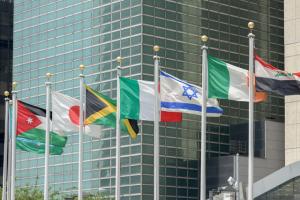
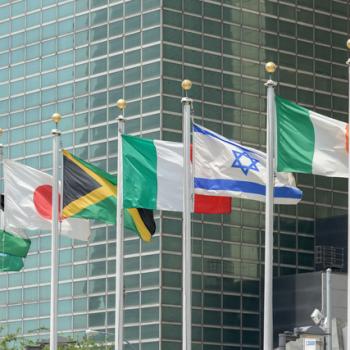
The United Nations has added Israel to its annual list of parties accused of using sexual violence in conflict. This move has sparked sharp debate across the global geopolitical landscape. The UN says the list highlights serious human rights concerns in war zones, while Israeli leaders argue it unfairly targets their country.
Israel now appears on the same list as Hamas and other armed groups already accused of sexual violence during conflict. This comparison has led to strong objections from Israeli officials, who say the UN draws an unfair parallel between a state and terrorist organizations. The issue reflects a deeper divide. It highlights disagreements about evidence, credibility, and the role of international institutions. It also raises questions about fairness, consistency, and political influence within the UN system. Let’s take a look at what this means.
Israel’s Inclusion on the UN Sexual Violence List
The United Nations compiles an annual report on conflict‑related sexual violence. This report identifies governments and groups suspected of committing or allowing such acts. In 2026, the report added Israeli armed and security forces for the first time. The UN based its decision on what it described as documented patterns of abuse involving Palestinian detainees. Investigators reported verified cases of sexual violence involving men, women, and minors. The report also cited broader findings linking these acts to detention settings and military operations.
Earlier UN investigations had raised similar concerns. A 2025 inquiry claimed that sexual and gender‑based violence had increased and was being used as a method of war by Israeli forces. These findings included allegations such as forced nudity and abuse during detention. At the same time, the UN report also continues to include Hamas, which investigators found responsible for sexual violence during the October 7 attacks and in hostage situations. It is an important point that Hamas was only included in this list in July/August 2025, approximately 22 months post October 7, even with documented evidence of their violent rape and sexual abuse attacks on Israeli women.
Israel has strongly denied all allegations. Officials describe the claims as false and politically motivated. Israel’s ambassador to the UN called the inclusion “outrageous” and rejected the idea that Israel should appear on the same list as terrorist groups. Israeli authorities have stated that they provided information to the UN and invited investigators to examine the claims, but they dispute the conclusions.
The Claims Against Israel
The UN bases its findings on testimonies, documents, and investigative material, including accounts from sources in Gaza. However, Israel and some analysts challenge the reliability of these sources, noting that information gathered in Hamas‑controlled areas may be difficult to verify independently. Critics also argue that some past allegations against Israel have later been disputed or questioned, and that certain UN reports have relied on unverifiable or unnamed testimonies. These concerns contribute to ongoing debate about the accuracy of the evidence and the methods used in international investigations.
Claims of UN Bias Against Israel
The debate over the sexual violence list does not exist in isolation. It forms part of a longer argument about whether the United Nations treats Israel fairly. One of the most cited examples is Agenda Item 7 of the UN Human Rights Council. This agenda item focuses only on Israel and the Palestinian territories at every council session. The United Kingdom has stated that this item “unfairly and uniquely singles out the State of Israel.” Agenda item 7 states:
“Human rights situation in Palestine and other occupied Arab territories.”
This statement is not neutral. Agenda Item 7 is unique because it is the only permanent agenda item dedicated to a single country. Other nations are reviewed under broader categories. Critics argue that this creates a disproportionate focus on Israel compared to other countries. Reports note that the council passes more resolutions on Israel than on other nations, while other conflicts receive less sustained attention. Israeli officials and some advocacy groups say this pattern shows systemic bias. They argue that it reflects political dynamics within the UN, where blocs of countries vote together. However, some defenders of the UN say these measures reflect ongoing concerns about human rights in the region.
The issue of bias remains unresolved. It shapes how Israel and others interpret UN decisions, including the recent sexual violence listing.
UNRWA and Links to Hamas on the October 7 Attacks
Another major point of tension involves the United Nations Relief and Works Agency (UNRWA), which operates in Gaza and supports Palestinian refugees. Investigations have raised concerns about links between some UNRWA staff members and Hamas. A U.S. oversight review found evidence connecting certain current or former employees to the October 7, 2023, attacks. The review identified individuals who allegedly participated in the attacks and others who had affiliations with Hamas. Other reports stated that several UNRWA workers were accused of direct involvement, including participating in killings or aiding militants. These claims have raised serious concerns about accountability within UN institutions.
The UN has acknowledged investigations into these allegations. A UN internal review examined claims that staff members took part in the attacks. However, reports also note limits on transparency, including redacted details in some findings. Nine UNRWA staff members were terminated as evidence suggested they participated in the attacks. There has not been a UN-led criminal prosecution, as the organization lacks the legal authority to act as a criminal prosecutor.
For Israel and its supporters, these allegations strengthen claims that parts of the UN system fail to address threats from Hamas adequately. Critics argue that the issue undermines the UN’s credibility, especially when it accuses Israel of misconduct.
The Catholic View
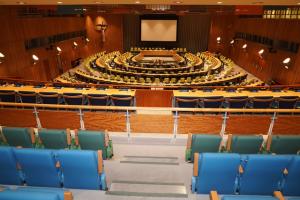
Jesus’ teachings emphasize truth, fairness, and impartial judgment. He calls for judging others with the same measure used for oneself and for seeking truth without bias. These principles provide a lens to evaluate the UN’s approach.
If there are true cases of sexual abuse committed by Israel, the offenders should be charged and punished. This is unacceptable in any country. The problem in this case is that the UN has a history of, at a minimum, appearing to be biased. This raises the credibility of decisions that go against Israel. As a result, the truth will likely never be determined. The bias, whether perceived or real, can also contribute to antisemitism, furthering the anger against Israel. If the UN applies its standards consistently and based on verified facts, then its actions align with these values. However, if the system singles out one country while overlooking others, critics may argue it falls short of fairness.
Conclusion
The UN claims the evidence supports its decisions, which are based on documented claims and investigations. At the same time, concerns about bias, including Agenda Item 7 and the handling of UNRWA issues, raise valid questions about consistency. In the end, the situation reflects the complexity of modern geopolitics. It shows how global institutions must balance accountability with fairness. Whether the UN meets that standard remains a matter of debate, shaped by evidence, interpretation, and values.
Please share your thoughts or any questions about this article in the “Comments” section below.
Stay updated on the latest articles and insights from the column. Subscribe to my newsletter to ensure you receive every new post. Click here to subscribe to the newsletter.
Peace
If you like this article, you might also enjoy:
Fraud: Rising Costs and Responses in the U.S. and Globally
Pope Leo: His AI Encyclical and the Call to “Disarm”
God’s Mercy and Love Across Scripture





 Ad-Free & Subscriber Log-In