

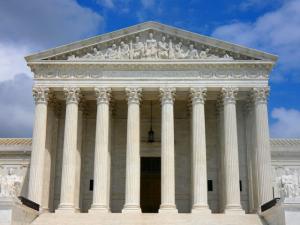
Each Monday morning, the Supreme Court of the United States releases an order list. This list shows how the Court handles many cases from across the nation. On June 1, 2026, the Court again planned to issue its order list at 9:30 AM, continuing this regular schedule. The order list may seem technical, but it affects people across the country. It often decides which legal issues will move forward and which will end. For many communities, these rulings influence rights, policies, and daily life. Let’s take a look.
What Is the Order List?
The order list is a weekly report of decisions made by the justices. It mainly shows which cases the Court will hear and which it will reject. Each week, the Court reviews many petitions from people who lost in lower courts. These requests ask the Supreme Court to take a case. This process is called a petition for certiorari. If at least four justices agree, the Court accepts the case. If not, it denies the request. The order list includes more than yes-or-no decisions. It also covers motions, brief filings, and other legal steps. Most cases are resolved quickly through short, unsigned orders without full hearings. While the order list often denies many petitions, it can also highlight major legal questions.
Cases on the Order List
In the current term, several large issues shape what observers expect to see. Some pending or recent cases involve immigration, free speech, and constitutional rights. For example, cases about birthright citizenship, gun laws, and digital privacy have gained national attention. Other disputes include federal power, social media rules, and agency authority. Experts say these cases could have wide effects on the law and society.
Many petitions come from lower court conflicts. Issues like immigration enforcement and detention policies may also reach the Court through new filings. Because the Court receives thousands of requests each year, only a small number will appear as granted cases on the order list.
Monday, June 1 Order List
The Court issued its standard order list, which featured hundreds of routine denials of certiorari (cases the Court has declined to review). However, the major news out of the order list involves a large, long-running interstate water battle:
- The Rio Grande Settlement Finalized (Texas v. New Mexico): The Supreme Court officially accepted and finalized a settlement in this critical 13-year-old environmental dispute. Texas originally sued New Mexico in 2013, arguing that excessive groundwater pumping in southern New Mexico was illegally draining surface water from the Rio Grande and depriving Texas of its fair share. The approved settlement requires New Mexico to reduce its groundwater pumping and retire certain water rights to preserve the river’s flow.
Major Supreme Court Opinions Released
- Freight Broker Liability (Montgomery v. C.H. Robinson): In a major decision for the shipping and insurance industries, the Court ruled that freight brokers can no longer use the Federal Aviation Administration Authorization Act (FAAAA) to shield themselves from state-level personal injury lawsuits. The Court found that negligent-hiring claims against brokers fall within a “safety exception,” meaning injured plaintiffs can sue brokers in state court. This is expected to significantly shift liability and insurance costs in the commercial trucking sector.
- Capital Sentencing and Prosecutor Bias (Pitchford v. Cain): The Court ruled in favor of a Mississippi death row inmate, deciding that the state’s supreme court unreasonably applied established legal precedent (Batson v. Kentucky) regarding whether the prosecutor used race-neutral reasons when striking Black jurors from the pool.
- Rutherford v. United States: The Court ruled that when Congress chooses not to make a sentencing amendment retroactive, the resulting difference in sentence lengths cannot be used by an inmate as an “extraordinary and compelling” reason to demand a sentence reduction.
For more details and opinions, see the official Orders of the Court page and the Court’s daily schedule for June 1, 2026.
The Catholic View
The Supreme Court’s work focuses on law and justice. It applies rules, reviews decisions, and resolves disputes. At the same time, many people compare legal ideas to moral teachings. Jesus’ teachings highlight love, mercy, and fairness. He urged people to care for others and seek justice with compassion. These values differ from the Court’s legal role, which focuses on law and precedent rather than emotion. In the words of Pope Paul VI:
“If you want Peace, work for Justice.”
Cases about rights, fairness, and equal treatment connect to ideas of justice found in Christian teachings. When the Court faces questions about human dignity or equality, observers may see a link to these moral values. In the end, the Monday order list reflects a structured legal process. Yet the outcomes can raise deeper questions about justice, fairness, and how society treats others—questions that echo teachings many people know from faith traditions.
Please share your thoughts or any questions about this article in the “Comments” section below.
Stay updated on the latest articles and insights from the column. Subscribe to my newsletter to ensure you receive every new post. Click here to subscribe to the newsletter.
Peace
If you like this article, you might also enjoy:
Charlie Kirk Case: Timeline, Court Hearing, and Faith
Pope Leo: His AI Encyclical and the Call to “Disarm”
Israel’s UN Sexual Violence Listing Raises Questions












 Ad-Free & Subscriber Log-In