


The Washington Nationals, based in Washington, D.C., found themselves at the center of a major controversy involving Trevor Williams, a team pitcher, in late May 2026. What began as a hidden-camera video quickly became a national story about religion, workplace fairness, and public accountability. At the center of it all is the veteran pitcher whose Christian faith and past public comments brought unexpected attention to the team’s internal culture.
This situation highlights the growing tension between personal beliefs and public image in professional sports. It also raises deeper questions about how organizations treat individuals who openly express their faith. Let’s take a look.
What Transpired?
The situation started when undercover video footage surfaced online. The O’Keefe Media Group operates by deploying undercover “citizen journalists”—who use hidden cameras to record private conversations with figures in media, corporate spaces, and government agencies. The footage appeared to show Sean Hudson, the Nationals’ Director of Community Relations, discussing internal decisions about their pitcher, Trevor Williams.
In the video, Hudson suggested that the team did not use Williams in social media promotions because of his religious views. The remarks tied back to a 2023 moment when Williams publicly criticized the Los Angeles Dodgers for honoring a controversial group, the Sisters of Perpetual Indulgence. Williams said the group mocked his faith, which he strongly believed in. Hudson’s comments implied that Williams’ stance may have affected how the team promoted him. This suggestion quickly raised concerns about possible religious discrimination within the organization.
The video spread rapidly online, drawing attention from fans, media outlets, and public officials. Some groups even called for investigations into whether workplace discrimination had occurred. The Washington Nationals responded quickly after the video went public.
Team’s Response to the Trevor Williams Controversy
Within days, the team fired Sean Hudson. Team leadership stated that his comments did not reflect the organization’s values. Jason Sinnarajah, the team’s President of Business Operations, issued a public apology. He emphasized that the organization is “not anti-Catholic” and expressed regret that Trevor Williams had been drawn into the controversy. The team also said it does not hide players from social media promotions.
Despite this response, backlash spread across social media platforms. Fans, commentators, and advocacy groups debated the issue from many angles. Some argued that the situation showed bias against religious beliefs. Others questioned whether the story had been fully verified or taken out of context. The controversy also sparked wider discussions about free expression in sports. Many people shared opinions about whether athletes should be able to speak openly about personal beliefs without facing consequences.
In Washington, D.C., where politics, culture, and sport often intersect, the story gained even more attention. It became not just a baseball issue, but part of a larger national conversation about fairness and identity.
The 2023 Controversy
To understand the Trevor Williams situation in Washington, it helps to look back at a key moment in Los Angeles in 2023. That year, the Los Angeles Dodgers hosted a “Pride Night” event and honored the Sisters of Perpetual Indulgence. The group is known for using religious imagery, including dressing in outfits resembling those of Catholic nuns. Some performances and presentations have included satirical or provocative elements tied to Christian symbols.
For many attendees, the event was meant to celebrate inclusion and cultural expression. However, others viewed it very differently. Critics, including some Catholic organizations and individuals, said the performance mocked sacred religious beliefs and figures. Trevor Williams was among those who spoke out publicly. At the time, he expressed concern that the event crossed a line by making fun of his faith. He stated that the use of religious imagery in that context felt disrespectful and wrong to him.
The Catholic View

For many observers, the Trevor Williams situation invites a moral reflection. The controversy centers on how people treat others who hold strong beliefs. When viewed through a Christian lens, this raises clear themes:
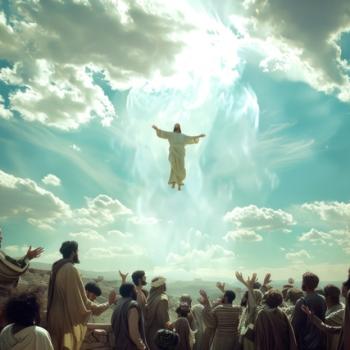
- Jesus taught respect, compassion, and fairness. He spent time with people from different backgrounds and never excluded anyone because of their beliefs or personal convictions. His actions showed that every individual has dignity and deserves equal treatment. In contrast, the claims in this situation—whether fully accurate or not—suggest a breakdown in that principle. If a person is treated differently because of faith, it conflicts with the idea of loving one’s neighbor without condition.
- At the same time, Jesus also called for truth and accountability. The Nationals’ decision to act quickly, apologize, and remove the employee involved can reflect a step toward correcting wrong behavior. Taking responsibility matters in both faith and leadership. Ultimately, this situation serves as a reminder. Organizations, like individuals, face choices about how they treat others. Whether on a baseball field or in daily life, values such as fairness, humility, and respect remain essential.
The Final Word
The Trevor Williams controversy shows how quickly a single moment can affect an entire organization. In Washington, D.C., a city known for high visibility and strong opinions, the story continues to resonate. As debates over faith, fairness, and free expression continue, this case offers a clear lesson. Actions—both good and bad—shape public trust. And in the end, the way people treat one another says more than any statement ever could.
Please share your thoughts or any questions about this article in the “Comments” section below.
Stay updated on the latest articles and insights from the column. Subscribe to my newsletter to ensure you receive every new post. Click here to subscribe to the newsletter.
Peace
If you like this article, you might also enjoy:
UnitedHealthcare CEO Shooting: Court Update Today
Corpus Christi: The Readings and Their Meanings
LA Mayoral Primary: The Challenges Facing the Candidates












 Ad-Free & Subscriber Log-In