

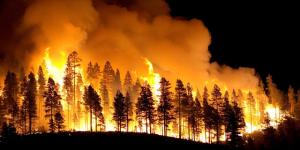
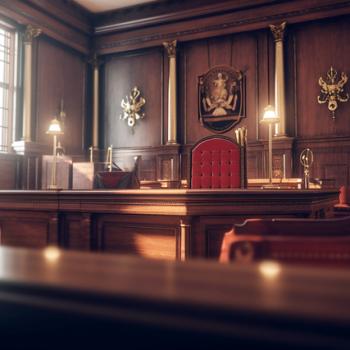
The Pacific Palisades area of Los Angeles continues to carry the scars of one of California’s most destructive wildfires. Today, June 8, the legal process enters a new phase as jury selection begins for the man accused of starting the Palisades Fire. The trial draws attention not only because of the scale of destruction but also because it reflects the ongoing search for accountability. Residents, still rebuilding their lives, now look to the courts for answers and closure. The federal trial for the suspect begins today, with jury selection expected to take several days.
History of the Palisades Fire
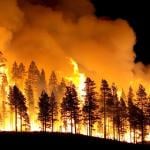
The Palisades Fire began on January 7, 2025, in the Santa Monica Mountains of Los Angeles County. Strong Santa Ana winds, dry conditions, and months without rainfall helped the fire grow rapidly. Santa Ana winds are strong, extremely dry downslope winds that originate inland and sweep across Southern California and northern Baja California. They are famous for bringing unseasonably hot, dry weather and, unfortunately, creating conditions that are prime for devastating wildfires.
The wildfire burned more than 23,000 acres and destroyed thousands of structures across Pacific Palisades, Malibu, and nearby communities. Officials reported 12 deaths and widespread damage, making it one of the most destructive fires in Los Angeles history. Fire crews worked for weeks before the blaze was finally contained on January 31, 2025. Authorities later concluded that the fire likely reignited from an earlier blaze that had not been fully extinguished.
Reports highlight that the region’s geography and weather create conditions that can quickly turn a small ignition into a major disaster: strong winds, dry vegetation, and steep terrain combined to accelerate the spread.
Water Issues Complicated the Situation
Water issues were a massive point of contention and a major complicating factor during the firefight. However, the exact cause of the failure became the subject of intense debate and subsequent legal battles.
During the peak of the fire, firefighters at higher elevations frequently ran into sputtering, low-pressure, or completely dry hydrants. Based on the review, the following reasons were causes/contributors:
The System Infrastructure & “Open Sores”
State investigators, the UCLA Policy Brief, and the Los Angeles Department of Water and Power (LADWP) concluded that the issue wasn’t a lack of actual water volume in the city’s overall system, but rather a loss of water pressure (insufficient flow rate) caused by two main things:
- The “Open Sore” Effect: As the intense fire swept through neighborhoods, thousands of residential water pipes melted or breached in destroyed homes. These open, severed pipes essentially acted as massive leaks, bleeding water out and causing the entire localized system to lose pressure.
- Simultaneous Demand: Too many fire hoses were drawing on the system at the same time in a concentrated area, draining the localized neighborhood tanks faster than pumps could refill them.
The Drained Reservoirs & Delayed Upgrades
On the other side of the issue, affected residents and legal complaints pointed directly to infrastructure mismanagement by the city and county:
- Empty Reservoirs: It was revealed that the Santa Ynez Reservoir—a 117-million-gallon backup built specifically to aid fire protection in the area—was completely drained and out of service for maintenance (specifically repairs to its floating cover) when the fire broke out. Victims argued this stripped firefighters of a massive chunk of the area’s immediate water supply during the critical first hours. (LADWP countered that even if it had been full, the gravity-fed system still wouldn’t have been able to overcome the pressure drops caused by the severed residential pipes).
- Deferred Projects: Investigative reports later highlighted that Los Angeles County had repeatedly delayed or canceled slated water infrastructure upgrades in Malibu and Topanga over the preceding decade—projects that were meant to increase “fire flow” capacity and add over a million gallons of localized water storage.
The Suspect and Court Appearances
Prosecutors have charged Jonathan Rinderknecht, a 29‑year‑old former rideshare driver, with starting a smaller fire on January 1, 2025. They allege that the Lachman Fire, which smoldered underground, later grew into the destructive Palisades Fire. Rinderknecht has pleaded not guilty to multiple federal charges, including arson and destruction of property. If convicted, he could face decades in prison. Authorities arrested him in October 2025, about nine months after the fire. Investigators used witness statements, video evidence, and fire pattern analysis to build their case.
Court documents suggest prosecutors believe he intentionally ignited the initial fire using combustible material. His defense team argues that he did not set the fire and claims he has been made a scapegoat for failures in the firefighting response. Today’s court proceedings focus on jury selection, marking the start of a trial that could take several days.
The Catholic View
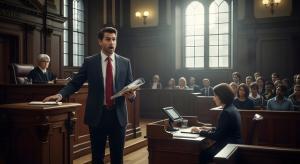
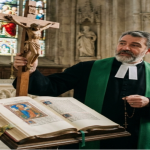
The Palisades Fire and its legal aftermath highlight deep tensions in society—anger, destruction, loss, and a search for justice. These realities contrast sharply with the values Jesus taught in the New Testament. Jesus emphasized compassion, forgiveness, and care for others. He taught people to love their neighbors and to avoid harming others. In this context, the destruction caused by the fire stands in clear opposition to those teachings.
At the same time, Jesus also spoke about justice and accountability. He encouraged truth and moral responsibility while calling people to change harmful behavior. The courtroom process today reflects a human effort to pursue justice, though it operates within legal systems rather than spiritual ones.
The rebuilding of Pacific Palisades also shows another value aligned with Jesus’ teachings: restoration. Communities come together, support one another, and work toward healing after loss. This response echoes teachings about helping those in need and lifting each other during hardship. While the justice system seeks to determine legal responsibility, faith perspectives invite communities to consider deeper questions—how to rebuild, forgive, and prevent future harm.
The Final Word
The Palisades Fire remains a defining event for Los Angeles, both geographically and emotionally. As the trial begins, it brings renewed attention to the devastation, the ongoing recovery, and the importance of accountability. Residents continue to rebuild homes and lives, even as the courts examine what caused such destruction. The outcome of this trial may provide answers, but the broader challenge of healing and prevention will extend far beyond the courtroom. Please pray for the victims and all those involved in the fire.
Please share your thoughts or any questions about this article in the “Comments” section below.
Stay updated on the latest articles and insights from the column. Subscribe to my newsletter to ensure you receive every new post. Click here to subscribe to the newsletter.
Peace
If you like this article, you might also enjoy:
UnitedHealthcare CEO Shooting: Court Update Today
June Jobs Report Shows Steady U.S. Labor Market
The Trevor Williams Controversy Rocks the Nationals







 Ad-Free & Subscriber Log-In