2016-07-04T08:28:34-05:00

In the incarnation, the Word of God, the Logos, truly became man. The same person who is God from eternity assumed human nature and made it his own. “And the Word became flesh and dwelt among us, full of grace and truth; we have beheld his glory, glory as of the only Son from the Father” (John 1:14 RSV).  This is the foundation of the new and eternal covenant. It is because it is eternal that the new covenant is... Read more
2016-07-02T08:50:08-05:00

This is the second post on a series discussing the veneration of Mary. For the first part, click here.   Veneration of Mary and the saints comes out of the recognition of the good which God has done in and with them. To show them   honor and respect does not violate the first commandment, but rather, helps fulfill it. If veneration of anyone other than God is in violation of the first commandment then God would not have told... Read more

2016-06-30T07:40:31-05:00

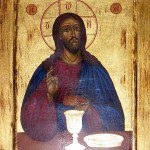
Great is the mystery of the eucharist. God became man, and as man, he has given himself over to us to become our spiritual food. We receive in communion the God-man, he who is perfect man and yet God. Physically, what we receive is bread and wine, and for many, that is all they can understand. It looks like bread and wine. It can only be bread and wine. They are materialists who limit reality to its physical manifestation. Others... Read more

2016-06-27T08:26:53-05:00

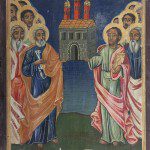
The fact that the Apostles Peter and Paul share a single feast honoring their accomplishments demonstrates the spiritual unity which was able to bring them together despite whatever conflicts which could have divided them if neither of them held such unity as taking precedence over their own personal interests. They both were martyred in Rome under Nero so that they could become champions of the faith and be crowned in glory together and in some fashion to be remembered together... Read more

2016-06-25T10:36:12-05:00

Perhaps for those who have divided themselves from traditional Christianity one of the hardest and most difficult elements of that tradition for them to understand and accept is the veneration of Mary and the saints. Not only does it seem to them to be excessive but they believe it is idolatry. They suggest that the first of the Ten Commandments expressly forbids the “cult of the saints” with its use of images: I am the LORD your God, who brought... Read more

2016-06-26T14:33:16-05:00

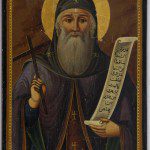
Abba Anthony said, “I no longer fear God, but I love Him. For love casts out fear.’ ([1]John 4:18).[1] We do not know when St. Anthony the Great said this, but by the way it is referenced, it would seem to be something he learned after years of struggle by which he was to come to spiritual maturity. Perhaps it was soon after his mastery over temptation that he discerned the presence of God was with him, helping him overcome... Read more

2016-06-21T08:32:33-05:00

But false prophets also arose among the people, just as there will be false teachers among you, who will secretly bring in destructive heresies, even denying the Master who bought them, bringing upon themselves swift destruction.  And many will follow their licentiousness, and because of them the way of truth will be reviled (2Ptr. 2:1-2 RSV). Unless we are careful, we will read Peter’s words anachronistically, interpreting the text with a later understanding of the word “heresy.” That is, we... Read more

2016-06-18T11:38:11-05:00

This post is the fifth and final post in a series exploring Mary’s death and assumption into heaven. To read the first, click here to read the second, click here, and to read the third, click here, and to read the fourth post, click here. The assumption of Mary, as we have seen, is tied to the ascension of Christ. The assumption is in many ways its completion. Since Jesus is the one who is the subject of the ascension,... Read more

2016-06-16T08:50:51-05:00

In his festal letters written to announce the dates for the fast before Easter and Easter itself, St. Cyril of Alexandria wrote exhortations to his congregations to follow the spirit of the fast so that they could obtain the virtuous disposition the fast was meant to help them achieve.  This meant, among other things, a reminder for the acts of charity expected of them: And in joining to our fasting the honor that comes from good deeds, let us take... Read more

2016-06-13T11:12:38-05:00

“And a ruler asked him, ‘Good Teacher, what shall I do to inherit eternal life?’  And Jesus said to him, ‘Why do you call me good? No one is good but God alone’” (Lk. 18:18-19 RSV). When Jesus asked the ruler as to why he was being called good, some misread this as indicating that Jesus did not believe himself to be good, and therefore, he did not believe himself to be God. But that is not what Jesus said.... Read more

Follow Us!


TAKE THE
Religious Wisdom Quiz

What city did the wise men visit to see King Herod before finding Jesus?

Select your answer to see how you score.


Browse Our Archives