


Graduation
Last week we traveled to Alabama to attend our oldest grandchild’s high school graduation. There were 781 graduates at the ceremony, probably the biggest high school graduation I have ever attended.
Meanwhile, back at home, the students that I have taught, the ones who I have watched and nurtured and, at times, pushed, through their junior high and high school years, were also graduating.
It all got me thinking about the idea of graduation. What does it take? By definition, graduation is the successful completion of a season of preparation, testing, and mentorship in order to move on toward a destination.
Graduation Requirements
In the United States, high school graduation requirements typically demand a minimum of 21 to 24 course credits in core subjects alongside state-specific assessment or proficiency milestones. Local and state policies define the exact course breakdown and alternative pathways to a diploma.
Because graduation standards are set at both the state and local district levels, a student needs to meet a mix of state-mandated credits, standardized test requirements, and local school board policies.
Typical course and credit requirements usually include:
- English: 4 credits
- Mathematics: 3 to 4 credits (usually including Algebra I, Algebra II, and Geometry)
- Science: 3 to 4 credits (typically including Biology and physical sciences)
- Social Studies: 3 to 4 credits (often including US History, World History, Civics, and Economics)
- Physical Education & Health: 0.5 to 2 credits
- Fine Arts or World Language: 1 to 2 credits
- Electives: 4 to 6 credits (can include career/technical education, computer science, or specialized courses)
That’s a respectable amount of education!
College is even more impressive. A bachelor’s degree typically requires around 120 credits (40 courses), some as general courses and some in the field of specialty for a degree. A master’s degree requires 30 to 60 additional credits, and a doctoral degree, about 50 more.
Biblical Graduations
Education can mean a lot of different things to a lot of different people, and education has been around since “Bible times.” While the Bible doesn’t feature literal high school or college diplomas, of course, many figures “put in the work” through long seasons of preparation, testing, and mentorship before graduating into their ultimate destinies.
These examples of biblical overachievers successfully completed their training to achieve greatness:
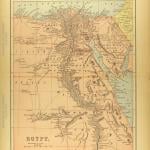
- Joseph: He went from an enslaved teenager to a falsely imprisoned worker, locked up in a foreign land because of a woman’s lies. After surviving a 13-year “internship” of hardship in the prison, he graduated to become second-in-command to Pharaoh, Prime Minister of Egypt, saving the region and his family from famine.
- Daniel: Deported to Babylon as a youth, he completed the courses and excelled in a rigorous 3-year government and language training program. He literally walked through the lion’s den, and “graduated” to top advisor for multiple kings while maintaining his integrity.
- Shadrach, Meshach, and Abednego: Along with their classmate Daniel, they were taken away to Babylon where their former education and loyalties were challenged. They were tested in a fiery furnace, and emerged with not even the smell of smoke on their clothing. The king himself promoted Shadrach, Meshach, and Abednigo to advisory positions.
- David: Before taking the throne, he spent years doing the unglamorous work of a shepherd and practicing music. He was tested and survived life in the wilderness and the undeserved life of a fugitive before he graduated to become the most celebrated King of Israel.
- Moses: He spent 40 years learning diplomacy in Pharaoh’s palace and another 40 years doing the humble work of a shepherd. He graduated from a reluctant spokesman to the deliverer who led the Israelites out of Egypt.
- Joshua: He put in the work as Moses’ devoted assistant and understudy for decades. His “graduation” came when he was chosen to succeed Moses, leading the people into the Promised Land.
- The Apostle Paul: A former tentmaker and strict Pharisee, he put in the work of learning and interpreting the law, then rethinking his position and traveling thousands of miles on foot to plant churches. He “graduated” from persecutor of the church to its most prolific author and missionary.
One More Graduation
I think there are times of graduation for all of us. I have officially gone through several in cap and gown, but I know the best one is yet to come. One day, when I have completed my time of preparation, testing, and mentorship, I will live out the words of Paul to Timothy: “I have fought the good fight, I have finished the race, I have kept the faith. Now there is in store for me the crown of righteousness, which the Lord, the righteous Judge, will award to me on that day—and not only to me, but also to all who have longed for his appearing” (2 Timothy 4:7-8).
Hopefully, you look forward to that graduation, as well. In that moment will will face our Instructor, our Master, and our King, and we will hear the words, “Well done, good and faithful servant. Let’s celebrate together! (Matthew 25:23 NLT).












 Ad-Free & Subscriber Log-In